Menu


Trending Top Sellers
$135/Month BAi THE MIRROR Commercial Embroidery Machine - 15-Needle Custom Apparel & Structured Hat System - NEW


$135/Month BAi THE MIRROR Commercial Embroidery Machine - 15-Needle Custom Apparel & Structured Hat System - NEW
- Price
- $135
$175/Month BAi THE VISION 15-Needle Single-Head Embroidery Machine - 15.7" x 19.7" Commercial Apparel System - NEW


$175/Month BAi THE VISION 15-Needle Single-Head Embroidery Machine - 15.7" x 19.7" Commercial Apparel System - NEW
- Price
- $175
$219/Month BAi THE VISION 2 Dual-Head Commercial Embroidery Machine - Dual-Head 15-Needle Custom Apparel System - NEW


$219/Month BAi THE VISION 2 Dual-Head Commercial Embroidery Machine - Dual-Head 15-Needle Custom Apparel System - NEW
- Price
- $219
$890/month NEW - IN STOCK -Mimaki 64" Hybrid – Complete Turnkey Package | UJ330H-160 Hybrid UV-LED Printer


$890/month NEW - IN STOCK -Mimaki 64" Hybrid – Complete Turnkey Package | UJ330H-160 Hybrid UV-LED Printer
$185/Month New Mimaki DTF TxF300-75 32" High-Speed Dual Printheads DTF Printer


Sale


$185/Month New Mimaki DTF TxF300-75 32" High-Speed Dual Printheads DTF Printer
PROMO: $285/month New Mimaki DTF TxF300-75 32" DTF BUNDLE DTF PRINTER (DIRECT-TO-FILM) Dual Print Heads with Miro 36 Shaker Bundle


Sale


PROMO: $285/month New Mimaki DTF TxF300-75 32" DTF BUNDLE DTF PRINTER (DIRECT-TO-FILM) Dual Print Heads with Miro 36 Shaker Bundle
- Sale price
- $285
- Regular price
- $695
PROMO: $268/month New Mimaki DTF TxF300-75 32" DTF BUNDLE DTF PRINTER (DIRECT-TO-FILM) Dual Print Heads with Miro 24 Shaker Bundle

Sale

PROMO: $268/month New Mimaki DTF TxF300-75 32" DTF BUNDLE DTF PRINTER (DIRECT-TO-FILM) Dual Print Heads with Miro 24 Shaker Bundle
- Sale price
- $268
- Regular price
- $28,600
$495/month - 4'x8' Plytronix Flatbed Cutter TX-1325 (4.26 ft x8.2 ft ) High-Precision Digital Flatbed Cutting Machine with Automated Finishing System Utilizes Interchangeable Tool Heads


$495/month - 4'x8' Plytronix Flatbed Cutter TX-1325 (4.26 ft x8.2 ft ) High-Precision Digital Flatbed Cutting Machine with Automated Finishing System Utilizes Interchangeable Tool Heads
- Price
- $495
New Prisma Auto Clam Slider 110V 16X20" Inch DTF Heat-Press GS-105HS-Grey/Black With Auto Open Slider Feature And Pressure Sensor


Sale


New Prisma Auto Clam Slider 110V 16X20" Inch DTF Heat-Press GS-105HS-Grey/Black With Auto Open Slider Feature And Pressure Sensor
- Sale price
- $1,690
- Regular price
- $1,986
$99/month - JAGUAR 70" AUTOMOTIVE SPECIAL EDITION PPF/TINT Cutter Plotter with Anti-Static kit and Tint Velvet Film.


Sale


$99/month - JAGUAR 70" AUTOMOTIVE SPECIAL EDITION PPF/TINT Cutter Plotter with Anti-Static kit and Tint Velvet Film.
- Sale price
- $99
- Regular price
- $145
$99/Month - (FREE SHAKER) DTF x2 Epson Print Heads (110V) YINSTAR A3 13" DTF PRINTER


Sale


$99/Month - (FREE SHAKER) DTF x2 Epson Print Heads (110V) YINSTAR A3 13" DTF PRINTER
- Sale price
- $99
- Regular price
- $185
From $99/month - New Prestige R1 13" DTF Printer Bundle - Includes Prestige R1 DTF Printer, Startup Package and Compatible Machine Options -MC


From $99/month - New Prestige R1 13" DTF Printer Bundle - Includes Prestige R1 DTF Printer, Startup Package and Compatible Machine Options -MC
- Price
- From $99
From $149/month New Prestige R2 PRO 13.75" WITH CUTTER DTF Printer 110V A3+ with Bundle options -MC


From $149/month New Prestige R2 PRO 13.75" WITH CUTTER DTF Printer 110V A3+ with Bundle options -MC
- Price
- From $149
From $417/Month 9-Colour BUNDLE 24" Prestige XL2 PRO New DTF Station Printer with Automatic Powder Applicator/Shaker/Oven/Purifier -MC


From $417/Month 9-Colour BUNDLE 24" Prestige XL2 PRO New DTF Station Printer with Automatic Powder Applicator/Shaker/Oven/Purifier -MC
- Price
- From $417
From $497/month - 9 COLORS Prestige XL3 with 3 Epson i3200 DTF Printer Bundle with Auto Powder Shaker/Oven


From $497/month - 9 COLORS Prestige XL3 with 3 Epson i3200 DTF Printer Bundle with Auto Powder Shaker/Oven
- Price
- From $497
NEW JAGUAR 70" AUTOMOTIVE SPECIAL EDITION PPF/TINT Cutter Plotter with Anti-Static kit and Tint Velvet Film.
Sale
NEW JAGUAR 70" AUTOMOTIVE SPECIAL EDITION PPF/TINT Cutter Plotter with Anti-Static kit and Tint Velvet Film.
- Sale price
- $5,980
- Regular price
- $6,980
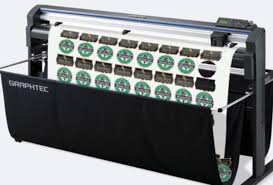
$169/MONTH NEW 64" Graphtec FC9000-160 For Automotive Professionals with 50 ft accurate tracking of Window Tint, PPF Film & Vinyl. Roll-fed Cutting Plotter

Sale

$169/MONTH NEW 64" Graphtec FC9000-160 For Automotive Professionals with 50 ft accurate tracking of Window Tint, PPF Film & Vinyl. Roll-fed Cutting Plotter
- Sale price
- $169
- Regular price
- $225
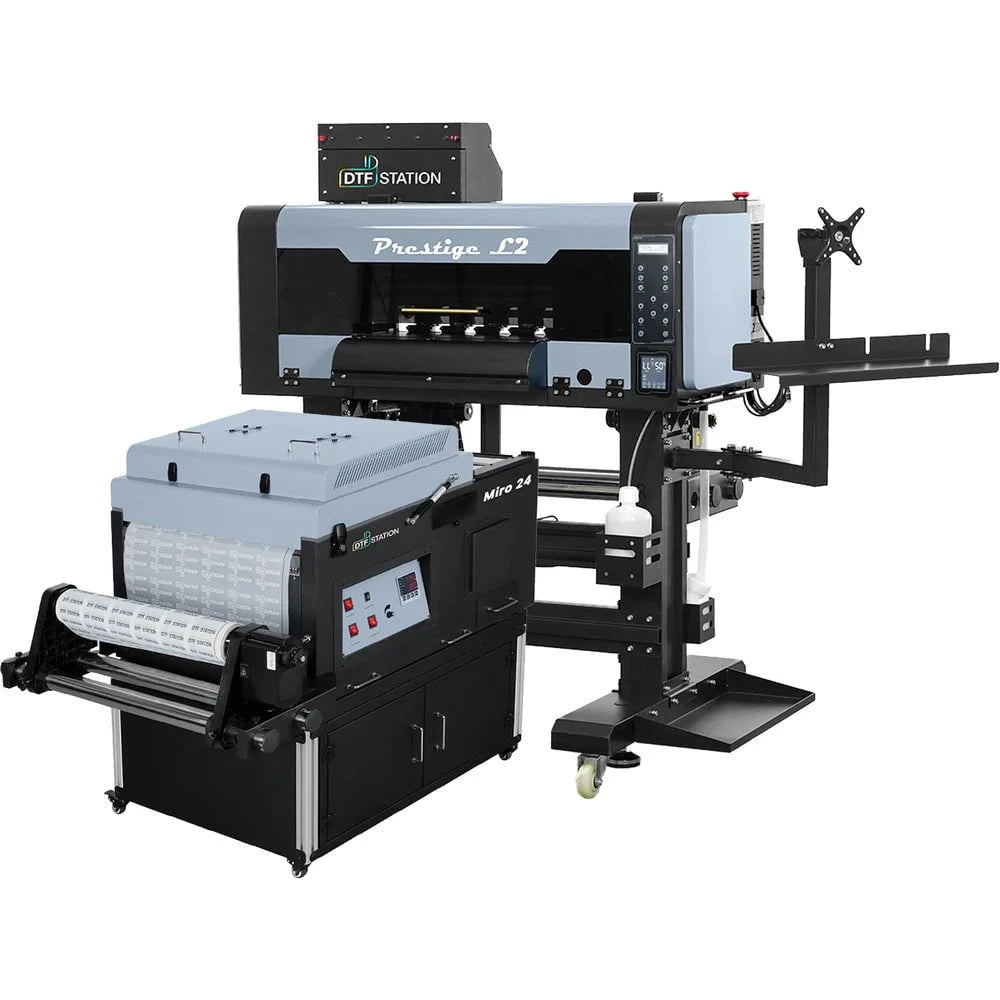
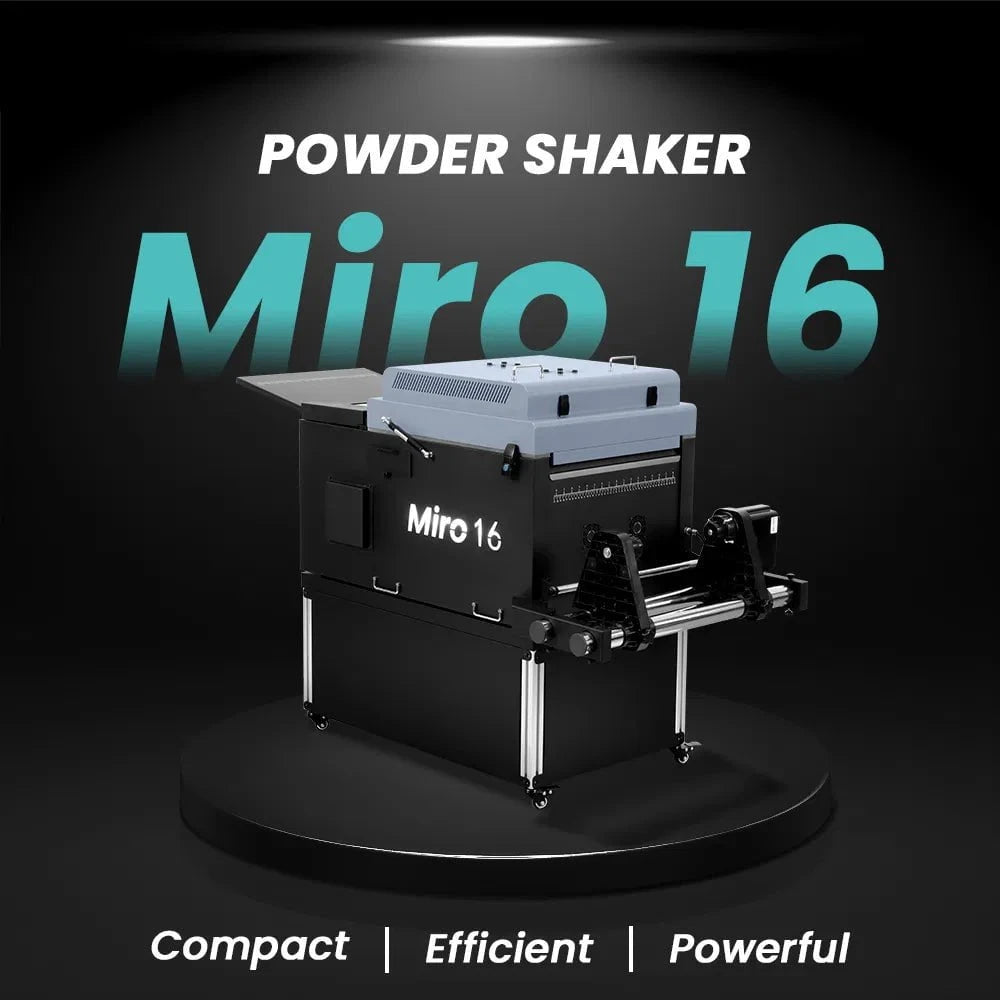
$379/month Prestige L2 18.5" DTF Printer Dual i3200 with Miro 16 Automatic Powder Applicator/Shaker oven and Built-In Oven
Sale
$379/month Prestige L2 18.5" DTF Printer Dual i3200 with Miro 16 Automatic Powder Applicator/Shaker oven and Built-In Oven
- Sale price
- $379
- Regular price
- $465
$195/Month 27" IN-STOCK Yinstar High Precision 27" Commercial Production DTF Printer with 2x i3200-A1 Epson Printheads DTF Powder Shaker.


Sale


$195/Month 27" IN-STOCK Yinstar High Precision 27" Commercial Production DTF Printer with 2x i3200-A1 Epson Printheads DTF Powder Shaker.
- Sale price
- $195
- Regular price
- $249
$247/Month 24" IN-STOCK Yinstar WI-FI DTF Printer with 2x Epson I3200 Print Heads Including DTF Powder Shaker Machine with Air Filter and Auto Powder Recycling System


Sale


$247/Month 24" IN-STOCK Yinstar WI-FI DTF Printer with 2x Epson I3200 Print Heads Including DTF Powder Shaker Machine with Air Filter and Auto Powder Recycling System
- Sale price
- $247
- Regular price
- $350
Maximizing Print Shop Profitability with Color Prime Quick Glide™ Instant Peel DTF Film

In the highly competitive Canadian apparel decoration market, consistency is the foundation of profitability. Print service providers across Toronto, Vancouver, and Montreal understand that every step of the Direct-to-Film (DTF) process must be strictly calibrated for maximum efficiency. However, many shops inadvertently sabotage their own production lines by compromising on the most critical component of the transfer process: the PET film.
When your current film seems "good enough," it is often difficult to justify switching to a premium option like the Color Prime Quick Glide™ Instant Peel DTF Film by DTF Station. Business owners frequently look at the upfront cost per roll without considering the broader economic impact on their daily operations. This article meticulously breaks down the true cost of subpar DTF film, explores the precise engineering behind DTF Station’s Quick Glide technology, and explains why investing in absolute material reliability is the smartest financial decision for modern print shops.
The Hidden Costs of "Good Enough" Transfer Film
The real cost of DTF film is rarely found on the vendor's invoice. It is measured in reprints, machine downtime, and ultimately, unhappy customers. To evaluate the true economics of your print shop, you must conduct a thorough reality check on your workflow efficiency.
A standard roll of DTF film can produce approximately 200 standard-sized garments, assuming a typical 11x18-inch gang sheet workflow. Even if a budget-friendly film is 30% cheaper than a premium alternative, the actual cost difference typically amounts to less than $0.10 per shirt. The fundamental business question then becomes: Is saving a fraction of a dollar worth risking a single failed production run?
Analyzing the Real Cost Per Garment
Where "OK" film gets expensive is in the compounded waste it creates. When a transfer fails—whether due to poor powder adhesion, inconsistent release, or ink bleeding—you do not just lose a piece of film. You lose the specialized ink, the hot melt adhesive powder, and the blank garment itself. Furthermore, you lose the invaluable labour hours spent troubleshooting the issue, cleaning the equipment, re-running the job, and constantly babysitting the production line to prevent further errors.
The Burden of Support and Lost Repeat Business
Beyond direct material waste, inconsistent film leads to a heavy support burden. Operators spend their shifts guessing temperature settings and running endless wash tests instead of fulfilling actual orders. This downtime results in delayed production, missed shipping cutoffs, and disrupted client schedules. In the B2B sector, where corporate clients demand flawless uniformity across hundreds of garments, inconsistent results directly lead to lost repeat business. A premium product like the Color Prime Quick Glide DTF Film acts as a necessary insurance policy against these hidden, margin-killing expenses.
Engineering Reliability: The DTF Station Manufacturing Advantage
The primary reason many generic films fail is a sheer lack of manufacturing oversight. Numerous suppliers simply rebrand existing, mass-produced PET films without controlling the specific chemical coatings required for high-fidelity inkjet printing. DTF Station takes a radically different, quality-first approach. They manufacture their own film, maintaining complete, uncompromising authority over the coating formula and the production process.
Precision Coating for Flawless Transfers
DTF Station focuses heavily on Precision Coating Control. During the manufacturing of Quick Glide film, advanced monitoring systems measure the coating thickness in real time. This stringent oversight ensures that the physical variance across the entire roll remains within a microscopic 0.05 micrometres (µm).
While many industrial film manufacturers prioritize output speed—running production lines at a blistering 60 to 120 metres per minute—DTF Station deliberately slows their process down to 40 metres per minute. This slower operational speed allows a self-adjusting V-slot coating head to instantly correct the chemical delivery. By prioritizing stability and consistency over sheer volume, DTF Station eliminates the batch-to-batch colour shifts, watermarks, and surface defects that chronically plague cheaper alternatives.

The Science of Instant Peel Technology
The defining feature of Color Prime Quick Glide™ is its instant peel capability. In traditional DTF workflows, operators use either cold peel or standard hot peel films. Cold peel requires the garment to cool completely before the film is removed, creating a massive bottleneck in high-volume environments. Standard hot peel films are faster, but they still require a brief waiting period and a specific rubbing technique to prevent the hot design from lifting off the fabric.
Streamlining the Pressing Workflow
Quick Glide film utilizes a highly advanced release layer. This specialized chemical formulation allows the operator to peel the film immediately after the heat press opens. There is absolutely zero waiting time, zero cooling, and zero rubbing required. The film releases cleanly and effortlessly, leaving the ink and adhesive perfectly bonded to the substrate.
For a Canadian print shop processing hundreds of shirts per shift, eliminating a 10-second wait time on every single garment translates into hours of reclaimed labour by the end of the week. This seamless peeling process accelerates workflow, reduces operator fatigue, and drastically increases the hourly output capacity of your heat press station.
Technical Specifications of Quick Glide™ Film
To properly integrate Color Prime Quick Glide™ into your existing workflow, operators must understand its specific technical requirements. The film features a total thickness of 83µm and utilizes a double matte coating. This dual-sided matte finish provides excellent grip for the printer's internal feed rollers, ensuring highly stable and smooth feeding without creating problematic static electricity or mechanical drag.
The suggested curing temperature for the hot melt powder is 125°C (257°F) for approximately 60 seconds when using a standard curing oven or an automated powder shaker machine.
Optimal Temperature Settings for Unique Substrates
The transfer settings for Quick Glide film are notably lower than many competing products on the market. The suggested transfer temperature is between 130°C and 140°C (266°F to 284°F) for 10 to 15 seconds at medium pressure. After the instant peel, an optional post-press at 137°C (280°F) for 5 seconds is recommended to enhance the soft hand feel and drive the adhesive deeper into the fabric grain.
Because operators can successfully press Quick Glide at temperatures as low as 266°F (130°C), it opens up entirely new and highly profitable applications. Standard high-heat transfers often scorch or melt synthetic materials. With Quick Glide, you can safely apply custom designs to delicate items like reflective safety vests, nylon jackets, and performance activewear. When pressing these specialized garments, utilizing a commercial heat press machine with a pressing pillow ensures even pressure distribution over bulky zippers and thick seams.
The Chemistry of Hot Melt Powder Bonding
One of the most critical stages in the DTF process is the application and curing of the hot melt adhesive powder. The Quick Glide film features an anti-static coating that plays a vital role during this phase. Generic films often carry a static charge that causes stray powder to cling to non-printed areas of the film. When cured and pressed, these stray powder particles create a messy, speckled residue on the final garment.
Maximizing Wash Fastness and Durability
The anti-static properties of Quick Glide ensure that the polyurethane (PU) hot melt powder adheres strictly to the wet ink. This clean powdering process means the adhesive melts perfectly into the high ink-loading layer during the curing stage. When the design is subsequently heat pressed onto a garment, the melted adhesive forms a robust, flexible mechanical bond with the fabric fibres. Because the film peels away instantly and cleanly, the integrity of this bond is never compromised by the peeling action. The result is a highly durable transfer that can withstand dozens of heavy wash cycles without cracking, peeling, or fading—a critical requirement for workwear and athletic uniforms.

Achieving Superior Colour and Hand Feel
The quality of a custom garment is judged by two primary metrics: how it looks and how it feels. The Quick Glide film is engineered from the ground up to maximize both visual colour vibrancy and tactile softness.
The Importance of a High Ink-Loading Layer
A common issue with budget DTF films is ink pooling or bleeding. When a design requires heavy ink saturation—such as deep blacks or rich purples—cheap films simply cannot absorb the liquid fast enough. Quick Glide solves this inherent flaw with a highly receptive ink-loading layer. This thick layer securely holds high volumes of CMYK and White ink in place without running, ensuring that fine details and sharp edges remain perfectly crisp during the powdering and curing phases.
DigiRIP Software Profiling
To achieve absolute colour accuracy, the film must work in perfect harmony with the printer's software. Quick Glide film is curated with the explicit intention of being used alongside DTF Station's custom DigiRIP profiles. These software profiles act as the precise translator between your digital design file and the printer's mechanical ink delivery system. By using the specific DigiRIP profile designed for Color Prime film, you guarantee correct colour matching, maximum vibrancy, and optimal ink usage.
Furthermore, Quick Glide boasts the thinnest release layer currently available on the market. Once peeled, only the ink and adhesive remain on the garment. This ultra-thin profile results in an incredibly soft "hand feel" that accurately rivals traditional screen printing, completely avoiding the stiff, plastic-like texture associated with older transfer methods.
Universal Compatibility for Canadian Print Shops
While Quick Glide is explicitly tailored to maximize the performance of DTF Station Prestige printers—such as the Miro 13, R2 Pro, and XL2—it is not a closed ecosystem. The film is universally compatible with almost all leading DTF printers utilizing advanced Epson printhead technology.
Roll and Sheet Formats for Diverse Setups
Absolute Toner understands that print shops operate on vastly different scales. To accommodate diverse equipment profiles, Quick Glide film is available in multiple functional formats.
For automated roll-to-roll setups, the film is supplied in standard 100-metre (109-yard) rolls. Available widths include:
-
13-inch rolls for entry-level setups.
-
13.78-inch rolls specifically sized for the new Miro 13 Max.
-
17.7-inch and 24-inch rolls for mid-to-large format production printers.
Interestingly, this highly adaptable film also serves the Direct-to-Garment (DTG) market. Many modern DTG users are adopting a hybrid workflow, using their DTG printers to print onto DTF film for specific fabrics that resist direct pretreatment. To support this method, Quick Glide is available in pre-cut sheets ranging from 13x19 inches up to 16x20 inches, allowing DTG operators to easily load the film onto their standard platens.

Navigating Seasonal Production Demands
In the Canadian market, print shops face intense seasonal fluctuations. The demand for custom hoodies and heavy long-sleeve apparel surges in the autumn, while event-based t-shirt printing spikes dramatically in the spring and summer. During these peak periods, equipment and consumable failures are catastrophic to overall revenue.
Using a highly regulated, precision-coated film like Quick Glide ensures that your production line does not buckle under pressure. Operators do not need to constantly recalibrate printer settings or adjust heat press temperatures to compensate for bad batches of film. The predictability of the exact curing and transfer parameters means that temporary or seasonal staff can be quickly trained to produce flawless results. This operational simplicity allows businesses to confidently take on large-scale fulfillment contracts without the constant fear of compounding error rates.
A Strategic Upgrade for Apparel Decorators
In the commercial printing industry, true operational efficiency is never achieved by cutting corners on raw materials. It is strictly achieved by implementing reliable, predictable, and highly automated processes. The Color Prime Quick Glide™ Instant Peel DTF Film is precisely that: a predictable, high-performance variable in an otherwise complex workflow.
By completely eliminating the wait times associated with cold peel films, preventing the colour inconsistencies of generic coatings, and providing an exceptionally soft hand feel, Quick Glide film allows Canadian print shops to produce premium garments at a highly competitive pace. The negligible cost difference of a few cents per shirt is vastly outweighed by the total elimination of material waste and the significant reduction in expensive operator labour.
For businesses aiming to rapidly scale their output, reduce their daily support burden, and secure lucrative repeat contracts, upgrading to a premium, manufacturer-controlled film is the clear operational path forward.
Ready to streamline your DTF production and eliminate peeling wait times? Contact Absolute Toner today to order your supply of Color Prime Quick Glide film and explore our full range of professional apparel decoration equipment.
-
Website: https://www.absolutetoner.com
-
Phone: 905-326-2886
-
Shop Film Supplies: Color Prime Quick Glide DTF Film Rolls
- Choosing a selection results in a full page refresh.