Menu


Trending Top Sellers
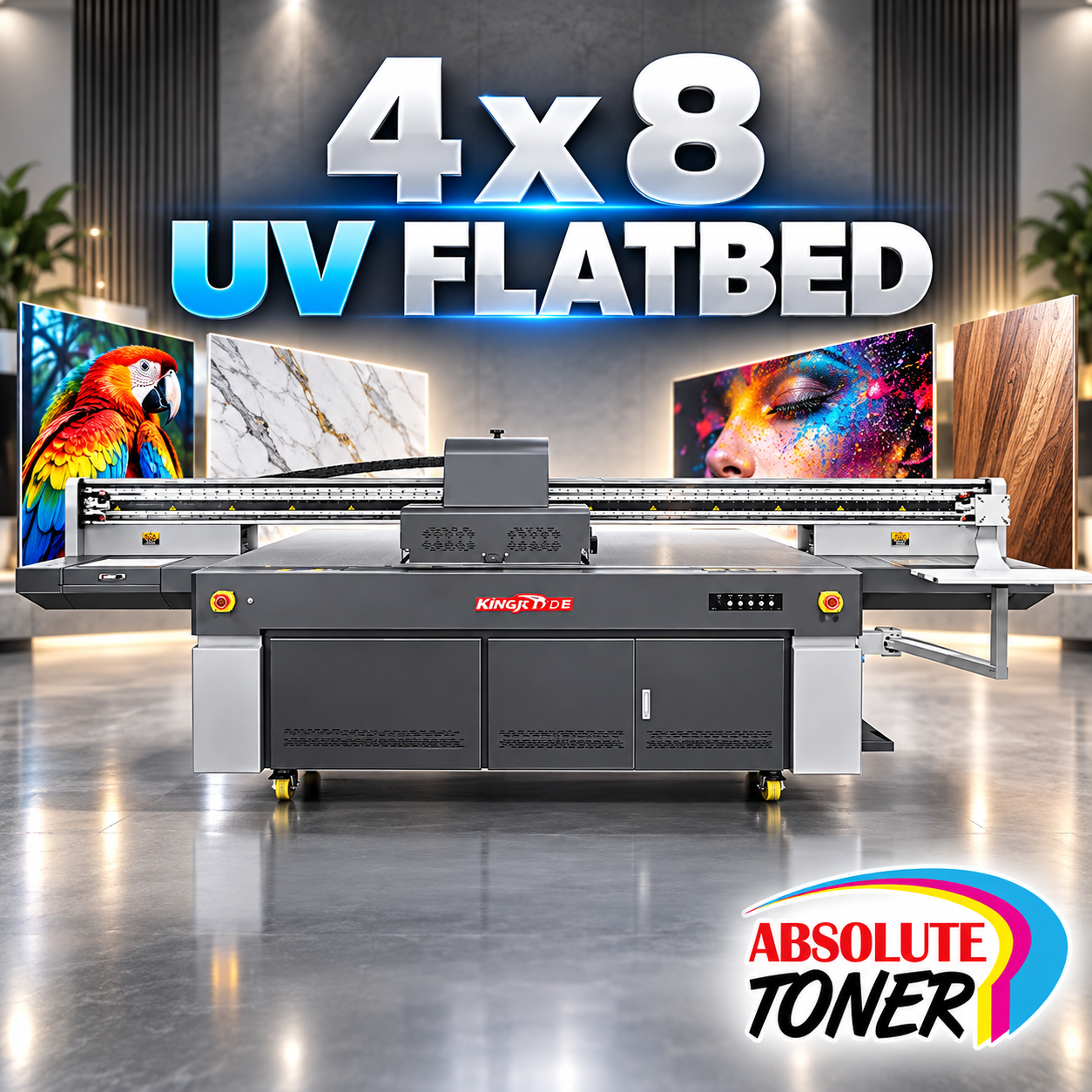
Brand New 4ftx8ft KINGJET Premium Industrial UV Flatbed Printer with 6 Printheads

Sale

Brand New 4ftx8ft KINGJET Premium Industrial UV Flatbed Printer with 6 Printheads
- Sale price
- $35,000
- Regular price
- $55,000
$598/month - 4'x8' Plytronix Flatbed Cutter TX-1325 (4.26 ft x8.2 ft ) High-Precision Digital Flatbed Cutting Machine with Automated Finishing System Utilizes Interchangeable Tool Heads


Sale


$598/month - 4'x8' Plytronix Flatbed Cutter TX-1325 (4.26 ft x8.2 ft ) High-Precision Digital Flatbed Cutting Machine with Automated Finishing System Utilizes Interchangeable Tool Heads
- Sale price
- $29,980
- Regular price
- $44,980
$139/Month BAi THE MIRROR Commercial Embroidery Machine - 15-Needle Custom Apparel & Structured Hat System - NEW


Sale


$139/Month BAi THE MIRROR Commercial Embroidery Machine - 15-Needle Custom Apparel & Structured Hat System - NEW
- Sale price
- $139
- Regular price
- $158
$185/Month BAi THE VISION 15-Needle Single-Head Embroidery Machine - 15.7" x 19.7" Commercial Apparel System - NEW


Sale


$185/Month BAi THE VISION 15-Needle Single-Head Embroidery Machine - 15.7" x 19.7" Commercial Apparel System - NEW
- Sale price
- $185
- Regular price
- $206
$837/month - Mimaki 64" Hybrid – UJ330H-160 Hybrid UV-LED Roll to Roll/Flatbed UV Printer


$837/month - Mimaki 64" Hybrid – UJ330H-160 Hybrid UV-LED Roll to Roll/Flatbed UV Printer
- Price
- $855
$85/month Yinstar A3 Multifunction Flatbed Printer with 3 Epson Heads for Glass Bottles, Mugs, Phone Cases and more


Sale


$85/month Yinstar A3 Multifunction Flatbed Printer with 3 Epson Heads for Glass Bottles, Mugs, Phone Cases and more
- Sale price
- $85
- Regular price
- $175
PROMO: $268/month New Mimaki DTF TxF300-75 32" DTF BUNDLE DTF PRINTER (DIRECT-TO-FILM) Dual Print Heads with Miro 24 Shaker Bundle


Sale


PROMO: $268/month New Mimaki DTF TxF300-75 32" DTF BUNDLE DTF PRINTER (DIRECT-TO-FILM) Dual Print Heads with Miro 24 Shaker Bundle
- Sale price
- $268
- Regular price
- $28,600
New Prisma Auto Clam Slider 110V 16X20" Inch DTF Heat-Press GS-105HS-Grey/Black With Auto Open Slider Feature And Pressure Sensor


Sale


New Prisma Auto Clam Slider 110V 16X20" Inch DTF Heat-Press GS-105HS-Grey/Black With Auto Open Slider Feature And Pressure Sensor
- Sale price
- $1,690
- Regular price
- $1,986
$112/month - JAGUAR 70" AUTOMOTIVE SPECIAL EDITION PPF/TINT Cutter Plotter with Anti-Static kit


Sale


$112/month - JAGUAR 70" AUTOMOTIVE SPECIAL EDITION PPF/TINT Cutter Plotter with Anti-Static kit
- Sale price
- $112
- Regular price
- $145
$247/MONTH - 64" Mimaki CJV200-160 Print & Cut Eco-Solvent Vinyl Printer Cutter Plotter Pre-Owned


Sale


$247/MONTH - 64" Mimaki CJV200-160 Print & Cut Eco-Solvent Vinyl Printer Cutter Plotter Pre-Owned
- Sale price
- $14,500
- Regular price
- $18,500
From $99.93/month - New Prestige R1 13" (NEW MODEL WITH CUTTER) DTF Printer Bundle - Includes Prestige R1 DTF Printer, Startup Package and Compatible Machine Options


From $99.93/month - New Prestige R1 13" (NEW MODEL WITH CUTTER) DTF Printer Bundle - Includes Prestige R1 DTF Printer, Startup Package and Compatible Machine Options
- Price
- From $99.93
From $170/month New Prestige R2 PRO 13.75" WITH CUTTER - DTF Printer 110V A3+ with Bundle options


From $170/month New Prestige R2 PRO 13.75" WITH CUTTER - DTF Printer 110V A3+ with Bundle options
- Price
- From $170
From $417/Month 9-Colour BUNDLE 24" Prestige XL2 PRO New DTF Station Printer with Automatic Powder Applicator/Shaker/Oven/Purifier -MC


From $417/Month 9-Colour BUNDLE 24" Prestige XL2 PRO New DTF Station Printer with Automatic Powder Applicator/Shaker/Oven/Purifier -MC
- Price
- From $417
From $497/month - 9 COLORS Prestige XL3 with 3 Epson i3200 DTF Printer Bundle with Auto Powder Shaker/Oven


From $497/month - 9 COLORS Prestige XL3 with 3 Epson i3200 DTF Printer Bundle with Auto Powder Shaker/Oven
- Price
- From $497
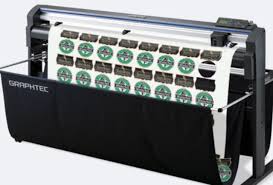
$169/MONTH NEW 64" Graphtec FC9000-160 For Automotive Professionals with 50 ft accurate tracking of Window Tint, PPF Film & Vinyl. Roll-fed Cutting Plotter

Sale

$169/MONTH NEW 64" Graphtec FC9000-160 For Automotive Professionals with 50 ft accurate tracking of Window Tint, PPF Film & Vinyl. Roll-fed Cutting Plotter
- Sale price
- $169
- Regular price
- $225
$99/Month - (FREE SHAKER) DTF x2 Epson Print Heads (110V) YINSTAR A3 13" DTF PRINTER


Sale


$99/Month - (FREE SHAKER) DTF x2 Epson Print Heads (110V) YINSTAR A3 13" DTF PRINTER
- Sale price
- $99
- Regular price
- $185
$195/Month 27" IN-STOCK Yinstar High Precision 27" Commercial Production DTF Printer with 2x i3200-A1 Epson Printheads DTF Powder Shaker.


Sale


$195/Month 27" IN-STOCK Yinstar High Precision 27" Commercial Production DTF Printer with 2x i3200-A1 Epson Printheads DTF Powder Shaker.
- Sale price
- $195
- Regular price
- $249
$247/Month 24" IN-STOCK Yinstar WI-FI DTF Printer with 2x Epson I3200 Print Heads Including DTF Powder Shaker Machine with Air Filter and Auto Powder Recycling System


Sale


$247/Month 24" IN-STOCK Yinstar WI-FI DTF Printer with 2x Epson I3200 Print Heads Including DTF Powder Shaker Machine with Air Filter and Auto Powder Recycling System
- Sale price
- $247
- Regular price
- $350
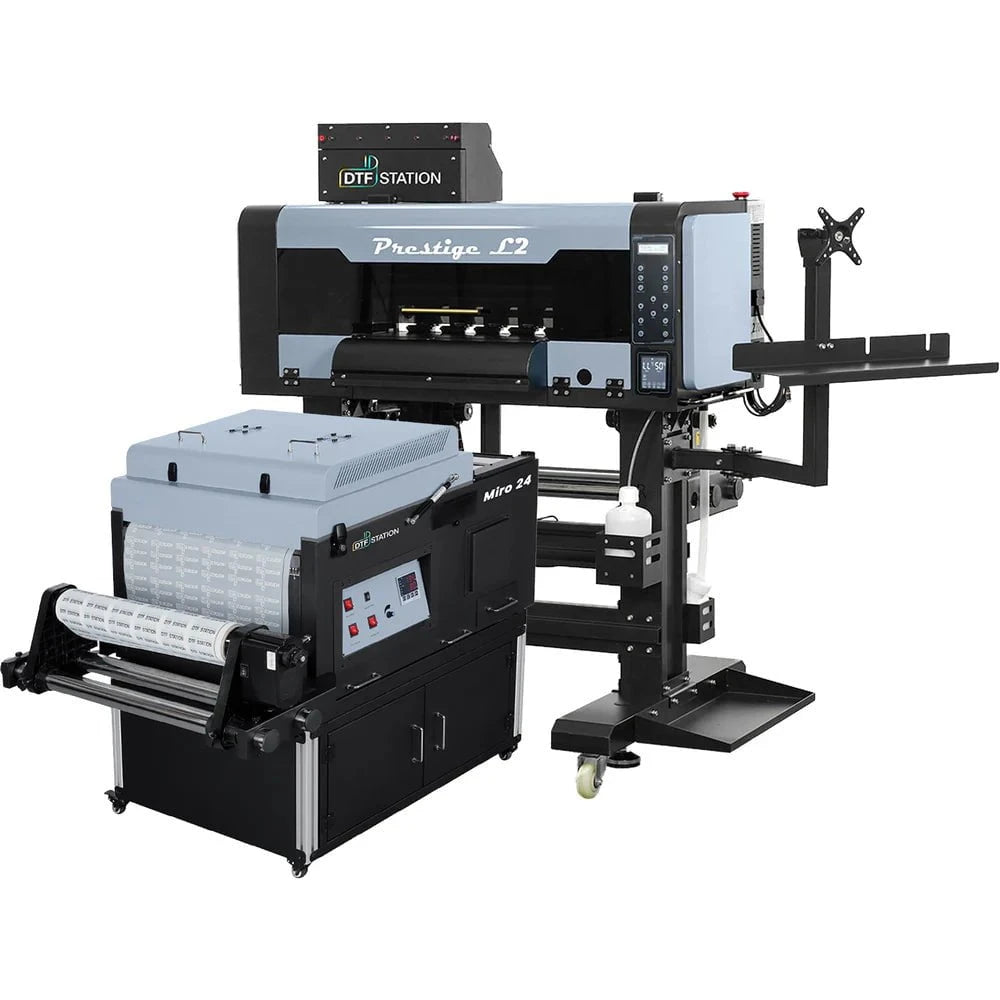
$379/month Prestige L2 18.5" DTF Printer Dual i3200 with Miro 16 Automatic Powder Applicator/Shaker oven and Built-In Oven
Sale
$379/month Prestige L2 18.5" DTF Printer Dual i3200 with Miro 16 Automatic Powder Applicator/Shaker oven and Built-In Oven
- Sale price
- $379
- Regular price
- $465
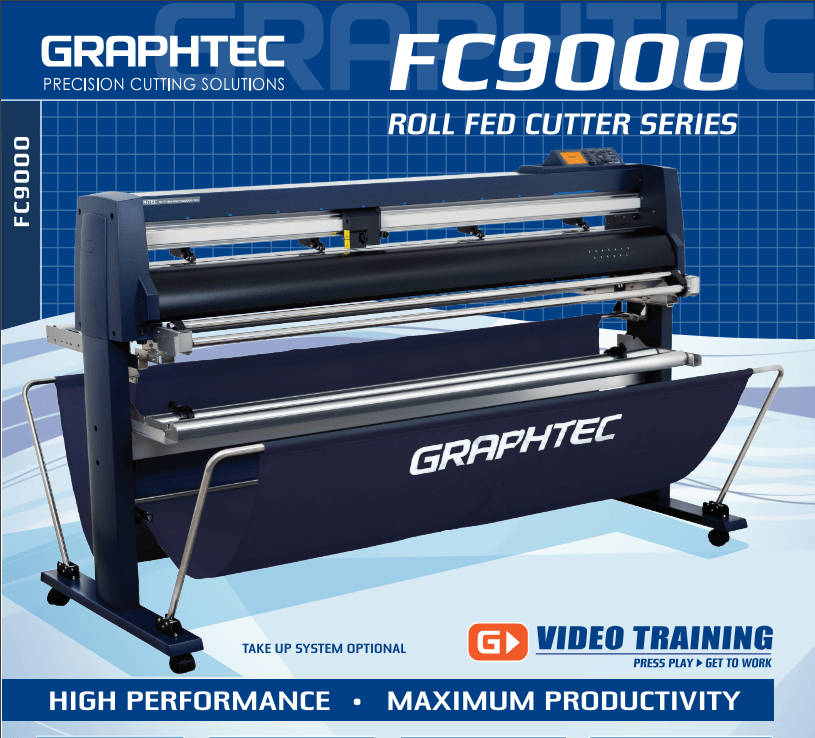
$145/MONTH DEMO 64" Graphtec FC9000-160 For Automotive Professionals with 50 ft accurate tracking of Window Tint, PPF Film & Vinyl. Roll-fed Cutting Plotter

Sale

$145/MONTH DEMO 64" Graphtec FC9000-160 For Automotive Professionals with 50 ft accurate tracking of Window Tint, PPF Film & Vinyl. Roll-fed Cutting Plotter
- Sale price
- $145
- Regular price
- $225
5 Signs Your Apparel Brand is Outgrowing Its Current Production Setup

Sign 1: Manual Thread Swapping Halts Daily Output
Manual thread swapping destroys shop productivity because operators must physically stop the machinery, cut the filament, and re-thread the needle eye for every colour change. This analog intervention restricts daily fulfillment volumes and prevents operators from completing secondary digital printing tasks simultaneously.
Decorators attempting to fulfill bulk orders on domestic hardware quickly hit a mechanical wall. When a corporate logo requires five distinct thread colours, standard single-needle units demand constant physical oversight. Your highly paid technicians stand idle beside the machine, acting as manual thread changers rather than skilled production managers.
Escaping this crippling operational bottleneck requires a mechanical shift. When shop owners evaluate the exact cost of this wasted time, the financial argument for upgrading from single-needle to multi-needle infrastructure becomes completely undeniable.
Sign 2: Analyzing the Deficit Between Commercial vs Home Embroidery Machines
Analyzing the deficit between commercial versus home embroidery machines reveals a massive gap in internal motor torque and operational duty cycles. Domestic plastic units overheat during extended multi-hour runs, whereas cast-iron industrial systems execute rapid continuous stitching through dense fabrics without stalling.
Prosumer hardware features lightweight plastic chassis components engineered for weekend hobbyists. Running these light-duty units for eight consecutive hours generates extreme internal friction heat. This thermal stress degrades the internal stepper motors, causing sudden mechanical failure right in the middle of your most critical fulfillment windows.
True industrial infrastructure relies on massive cast-iron frames to absorb intense kinetic vibration. Reviewing the mechanical specifications separating these tiers exposes why high-volume print facilities in Mississauga and Brampton exclusively run heavy metal systems.

Sign 3: You Are Refusing Lucrative Corporate Merchandise Orders
Refusing lucrative corporate merchandise orders occurs when print shops lack the heavy-duty mechanical infrastructure required to process massive apparel runs within strict courier deadlines. Lacking proper continuous output equipment forces operations to broker highly profitable B2B contracts to better-equipped regional competitors.
Turning away volume orders signals a critical failure in your production capacity. Corporate clients in Toronto frequently demand massive mixed-media orders featuring both printed t-shirts and heavily stitched winter parkas. If your current equipment cannot penetrate thick canvas or nylon, you lose the entire contract.
Brokering the threaded portion of an order destroys your profit margins. You surrender control over the final product quality and subject your business to a third-party vendor's unverified shipping timeline.
Sign 4: Constant Mechanical Breakdowns Ruin Blank Inventory
Constant mechanical breakdowns ruin blank inventory when lightweight plastic needle bars deflect against stiff buckram hat panels. This physical deflection bends the needle shaft mid-stroke, causing microscopic metal spurs that shred expensive polyester threads and completely destroy premium retail-ready garment panels.
Structured snapback caps act like armour against standard sewing needles. When a consumer-grade carriage drives a needle into a rigid six-panel seam, the metal shaft bends backwards. The needle tip strikes the throat plate, snapping off directly inside the garment.
Replacing damaged premium outerwear and structured headwear directly drains your monthly operating budget. Securing commercial vs home embroidery machines solves this exact physical limitation. Industrial rotary drivers lock stiff buckram securely, driving titanium-coated needles through dense textiles without bending.
Sign 5: Your Labour Costs Exceed Your Gross Profit Margins
Labour costs exceed gross profit margins when skilled technicians spend massive portions of their paid shifts clearing mechanical thread jams instead of completing billable client orders. Deploying automated multi-needle infrastructure removes this human bottleneck, instantly converting wasted wages into measurable hourly revenue.
Paying an operator to babysit a struggling domestic machine makes profitability mathematically impossible. If a technician earns twenty-five dollars an hour and only outputs four finished garments due to constant re-threading, your baseline labour cost per unit skyrockets.
Automated commercial systems shift the carriage laterally in milliseconds. Operators load the digital DST file, assign the physical thread spools, and walk away. This digital automation allows one technician to operate three distinct decoration stations simultaneously.
Transitioning to a True Multi Needle Embroidery Machine
Transitioning to a true multi-needle embroidery machine provides extreme mechanical velocity and automatic colour switching for commercial apparel decorators. Operating these heavy-duty cast-iron systems eliminates manual re-threading completely, guaranteeing rapid, unattended production runs across large-scale corporate merchandise and thick structured outerwear contracts.
Deploying a professional multi needle embroidery machine forces your facility out of the hobbyist phase. Systems like the BAI The Vision deliver massive 400x500mm sewing areas on suspended tubular arms. You slide heavy duffel bags directly beneath the needle plate without manually deconstructing the item.
Canadian business owners require verified performance data before approving massive capital expenditures. Protecting against greenwashing requires operators to align with Competition Bureau Canada guidelines when calculating physical waste reduction. Heavy iron hardware drastically outlasts plastic consumer models, significantly lowering corporate electronic waste over a ten-year operational lifespan.
Selecting hardware equipped with verified Energy Star certified office equipment parameters limits unnecessary electrical draw during extended overnight idling. Absolute Toner dispatches these compliant, high-velocity commercial systems directly across Vaughan, Brampton, Mississauga, and the wider GTA. Eliminate your production bottlenecks immediately and command the exact corporate margins your shop deserves.
- Choosing a selection results in a full page refresh.