Menu


Trending Top Sellers
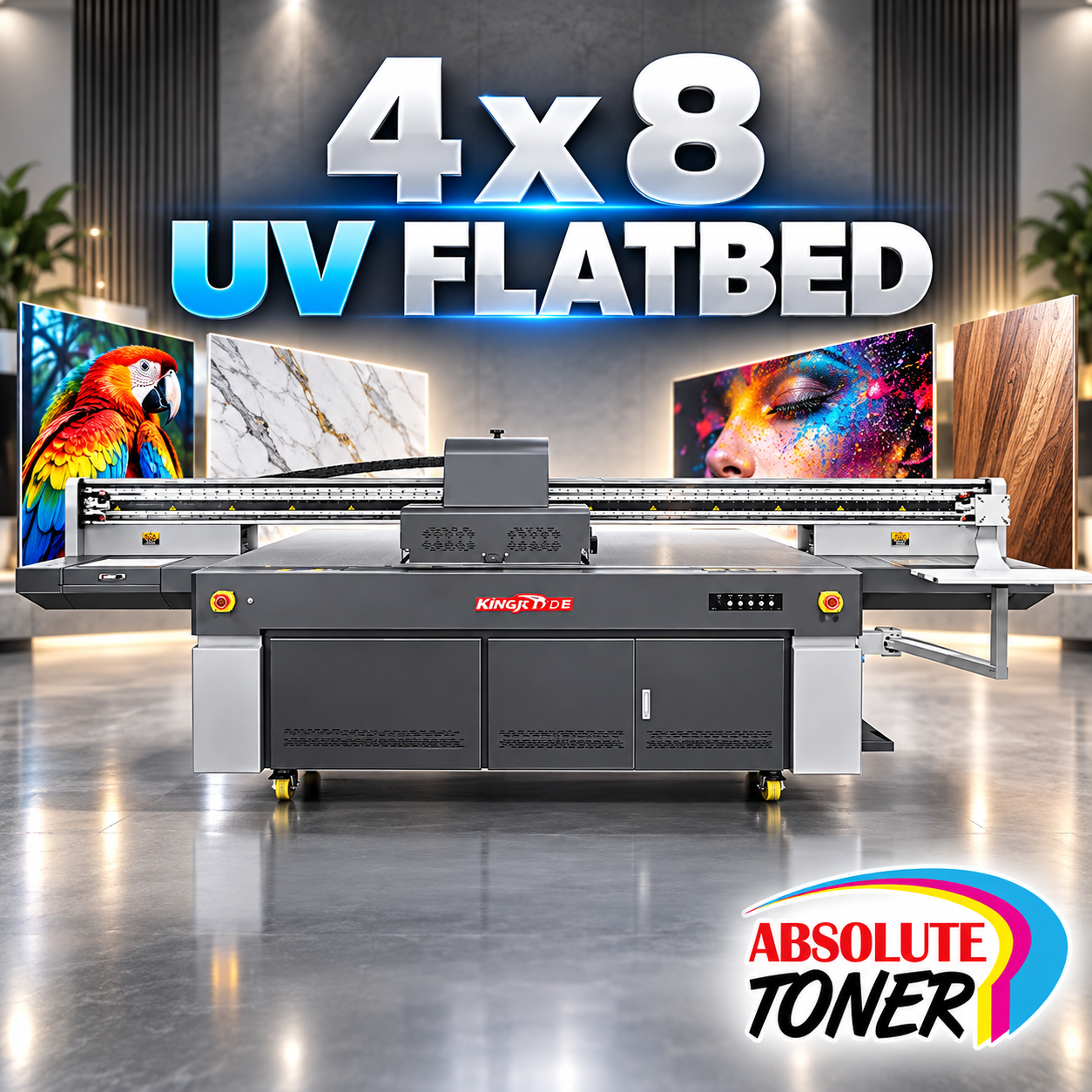
Brand New 4ftx8ft KINGJET Premium Industrial UV Flatbed Printer with 6 Printheads

Sale

Brand New 4ftx8ft KINGJET Premium Industrial UV Flatbed Printer with 6 Printheads
- Sale price
- $35,000
- Regular price
- $55,000
$598/month - 4'x8' Plytronix Flatbed Cutter TX-1325 (4.26 ft x8.2 ft ) High-Precision Digital Flatbed Cutting Machine with Automated Finishing System Utilizes Interchangeable Tool Heads


Sale


$598/month - 4'x8' Plytronix Flatbed Cutter TX-1325 (4.26 ft x8.2 ft ) High-Precision Digital Flatbed Cutting Machine with Automated Finishing System Utilizes Interchangeable Tool Heads
- Sale price
- $29,980
- Regular price
- $44,980
$139/Month BAi THE MIRROR Commercial Embroidery Machine - 15-Needle Custom Apparel & Structured Hat System - NEW


Sale


$139/Month BAi THE MIRROR Commercial Embroidery Machine - 15-Needle Custom Apparel & Structured Hat System - NEW
- Sale price
- $139
- Regular price
- $158
$185/Month BAi THE VISION 15-Needle Single-Head Embroidery Machine - 15.7" x 19.7" Commercial Apparel System - NEW


Sale


$185/Month BAi THE VISION 15-Needle Single-Head Embroidery Machine - 15.7" x 19.7" Commercial Apparel System - NEW
- Sale price
- $185
- Regular price
- $206
$837/month - Mimaki 64" Hybrid – UJ330H-160 Hybrid UV-LED Roll to Roll/Flatbed UV Printer


$837/month - Mimaki 64" Hybrid – UJ330H-160 Hybrid UV-LED Roll to Roll/Flatbed UV Printer
- Price
- $855
$85/month Yinstar A3 Multifunction Flatbed Printer with 3 Epson Heads for Glass Bottles, Mugs, Phone Cases and more


Sale


$85/month Yinstar A3 Multifunction Flatbed Printer with 3 Epson Heads for Glass Bottles, Mugs, Phone Cases and more
- Sale price
- $85
- Regular price
- $175
PROMO: $268/month New Mimaki DTF TxF300-75 32" DTF BUNDLE DTF PRINTER (DIRECT-TO-FILM) Dual Print Heads with Miro 24 Shaker Bundle


Sale


PROMO: $268/month New Mimaki DTF TxF300-75 32" DTF BUNDLE DTF PRINTER (DIRECT-TO-FILM) Dual Print Heads with Miro 24 Shaker Bundle
- Sale price
- $268
- Regular price
- $28,600
New Prisma Auto Clam Slider 110V 16X20" Inch DTF Heat-Press GS-105HS-Grey/Black With Auto Open Slider Feature And Pressure Sensor


Sale


New Prisma Auto Clam Slider 110V 16X20" Inch DTF Heat-Press GS-105HS-Grey/Black With Auto Open Slider Feature And Pressure Sensor
- Sale price
- $1,690
- Regular price
- $1,986
$112/month - JAGUAR 70" AUTOMOTIVE SPECIAL EDITION PPF/TINT Cutter Plotter with Anti-Static kit


Sale


$112/month - JAGUAR 70" AUTOMOTIVE SPECIAL EDITION PPF/TINT Cutter Plotter with Anti-Static kit
- Sale price
- $112
- Regular price
- $145
$247/MONTH - 64" Mimaki CJV200-160 Print & Cut Eco-Solvent Vinyl Printer Cutter Plotter Pre-Owned


Sale


$247/MONTH - 64" Mimaki CJV200-160 Print & Cut Eco-Solvent Vinyl Printer Cutter Plotter Pre-Owned
- Sale price
- $14,500
- Regular price
- $18,500
From $99.93/month - New Prestige R1 13" (NEW MODEL WITH CUTTER) DTF Printer Bundle - Includes Prestige R1 DTF Printer, Startup Package and Compatible Machine Options


From $99.93/month - New Prestige R1 13" (NEW MODEL WITH CUTTER) DTF Printer Bundle - Includes Prestige R1 DTF Printer, Startup Package and Compatible Machine Options
- Price
- From $99.93
From $170/month New Prestige R2 PRO 13.75" WITH CUTTER - DTF Printer 110V A3+ with Bundle options


From $170/month New Prestige R2 PRO 13.75" WITH CUTTER - DTF Printer 110V A3+ with Bundle options
- Price
- From $170
From $417/Month 9-Colour BUNDLE 24" Prestige XL2 PRO New DTF Station Printer with Automatic Powder Applicator/Shaker/Oven/Purifier -MC


From $417/Month 9-Colour BUNDLE 24" Prestige XL2 PRO New DTF Station Printer with Automatic Powder Applicator/Shaker/Oven/Purifier -MC
- Price
- From $417
From $497/month - 9 COLORS Prestige XL3 with 3 Epson i3200 DTF Printer Bundle with Auto Powder Shaker/Oven


From $497/month - 9 COLORS Prestige XL3 with 3 Epson i3200 DTF Printer Bundle with Auto Powder Shaker/Oven
- Price
- From $497
$169/MONTH NEW 64" Graphtec FC9000-160 For Automotive Professionals with 50 ft accurate tracking of Window Tint, PPF Film & Vinyl. Roll-fed Cutting Plotter

Sale

$169/MONTH NEW 64" Graphtec FC9000-160 For Automotive Professionals with 50 ft accurate tracking of Window Tint, PPF Film & Vinyl. Roll-fed Cutting Plotter
- Sale price
- $169
- Regular price
- $225
$99/Month - (FREE SHAKER) DTF x2 Epson Print Heads (110V) YINSTAR A3 13" DTF PRINTER


Sale


$99/Month - (FREE SHAKER) DTF x2 Epson Print Heads (110V) YINSTAR A3 13" DTF PRINTER
- Sale price
- $99
- Regular price
- $185
$195/Month 27" IN-STOCK Yinstar High Precision 27" Commercial Production DTF Printer with 2x i3200-A1 Epson Printheads DTF Powder Shaker.


Sale


$195/Month 27" IN-STOCK Yinstar High Precision 27" Commercial Production DTF Printer with 2x i3200-A1 Epson Printheads DTF Powder Shaker.
- Sale price
- $195
- Regular price
- $249
$247/Month 24" IN-STOCK Yinstar WI-FI DTF Printer with 2x Epson I3200 Print Heads Including DTF Powder Shaker Machine with Air Filter and Auto Powder Recycling System


Sale


$247/Month 24" IN-STOCK Yinstar WI-FI DTF Printer with 2x Epson I3200 Print Heads Including DTF Powder Shaker Machine with Air Filter and Auto Powder Recycling System
- Sale price
- $247
- Regular price
- $350
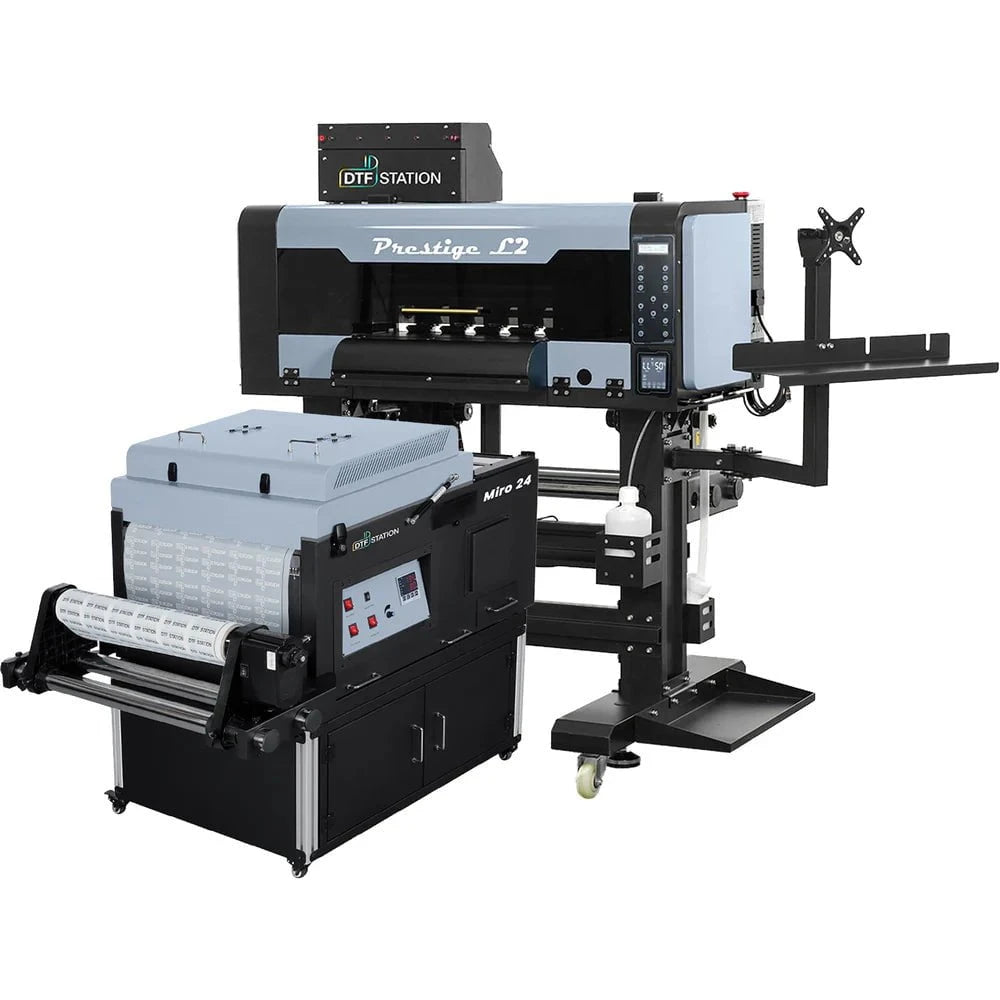
$379/month Prestige L2 18.5" DTF Printer Dual i3200 with Miro 16 Automatic Powder Applicator/Shaker oven and Built-In Oven
Sale
$379/month Prestige L2 18.5" DTF Printer Dual i3200 with Miro 16 Automatic Powder Applicator/Shaker oven and Built-In Oven
- Sale price
- $379
- Regular price
- $465
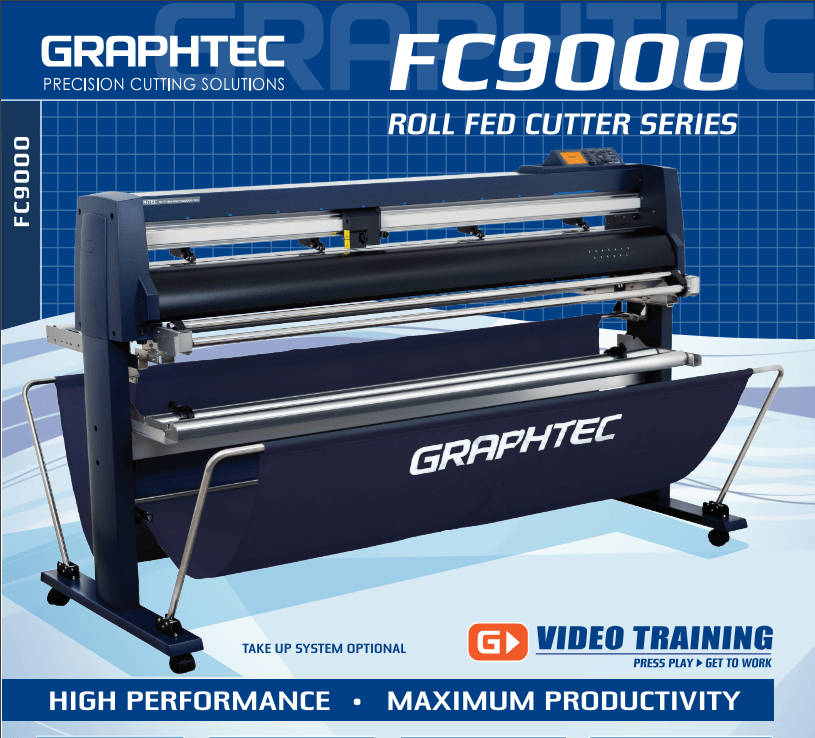
$145/MONTH DEMO 64" Graphtec FC9000-160 For Automotive Professionals with 50 ft accurate tracking of Window Tint, PPF Film & Vinyl. Roll-fed Cutting Plotter

Sale

$145/MONTH DEMO 64" Graphtec FC9000-160 For Automotive Professionals with 50 ft accurate tracking of Window Tint, PPF Film & Vinyl. Roll-fed Cutting Plotter
- Sale price
- $145
- Regular price
- $225
BAi Mirror Embroidery Machine price in Canada: Toronto and GTA Buying Guide

BAi Mirror Embroidery Machine in Canada: Toronto & GTA Buying Guide. We ship across Canada.
Looking for a BAi Mirror embroidery machine in Toronto, Vaughan, the Greater Toronto Area, or elsewhere in Canada? Absolute Toner, operated by Precision Toner Corp., offers the BAi THE MIRROR 15-needle commercial embroidery machine through its Concord, Ontario location.
Canadian buyers can view the BAi Mirror embroidery machine at Absolute Toner, ask about current Canadian pricing and availability, explore lease-to-own possibilities, and inquire about machine setup or operator training tailored to their business needs.
Choosing a commercial embroidery machine involves more than comparing needle counts and advertised stitching speeds. Buyers need to understand which garments the machine can handle, whether it is suitable for structured hat embroidery, how designs are converted into embroidery files, and what accessories, training, and support are required to begin production.
This comprehensive Canadian buying guide covers the BAi Mirror's specifications, features, commercial applications, embroidery capabilities, pricing considerations, training options, and the benefits of purchasing through a Canadian supplier.
Whether you are launching a custom embroidery business, expanding an established apparel decoration company, adding embroidery to a DTF printing operation, or bringing uniform embroidery in-house, this guide will help you evaluate the BAi Mirror and determine whether it is the right machine for your needs.
Where to Buy the BAi Mirror Embroidery Machine in Toronto, the GTA, and Canada
Absolute Toner supplies the BAi Mirror commercial embroidery machine to customers throughout the Greater Toronto Area, Ontario, and across Canada.
Located at 1300 Alness Street, Unit 1A, Concord, Ontario, Absolute Toner serves businesses and individuals looking for professional embroidery equipment in Toronto, Vaughan, Markham, Richmond Hill, Thornhill, North York, Scarborough, Etobicoke, Mississauga, Brampton, and surrounding communities.
Customers outside the GTA can also inquire about purchasing equipment and arranging delivery to other parts of Canada, including Ottawa, Hamilton, London, Kitchener-Waterloo, Montreal, Calgary, Edmonton, Vancouver, Winnipeg, and other cities.
For current product information and purchasing options, visit:
Buy the BAi Mirror 15-Needle Commercial Embroidery Machine in Canada – Absolute Toner
Customers interested in comparing different BAi embroidery models can also explore:
BAi Commercial Embroidery Machines – Mirror, Vision, and Vision Dual Head
Why Work With a Canadian Embroidery Equipment Supplier?
Buying a commercial embroidery machine is an investment in your business. Equipment quality matters, but so do the services, information, and support available before and after purchase.
Working with Absolute Toner allows customers to discuss their intended applications with a Canadian equipment supplier rather than relying exclusively on an international online purchase.
Buyers can inquire about:
-
Canadian-dollar equipment pricing.
-
Commercial embroidery machine selection.
-
Available accessories and equipment packages.
-
Shipping and delivery arrangements.
-
Financing and lease-to-own possibilities.
-
Machine setup considerations.
-
Operator training when required.
-
Technical assistance and available support arrangements.
For customers in the GTA, Absolute Toner's Concord location provides a convenient point of contact for equipment inquiries. Showroom demonstrations and machine availability should be confirmed before visiting.
For customers elsewhere in Canada, the team can discuss purchasing and shipping arrangements based on the destination and requirements of the installation.
What Is the BAi Mirror 15-Needle Commercial Embroidery Machine?
The BAi THE MIRROR is a single-head, 15-needle commercial embroidery machine designed for businesses producing custom embroidered apparel, promotional products, hats, uniforms, and other compatible textile items.

Unlike a traditional single-needle home embroidery machine, the BAi Mirror allows the operator to load multiple embroidery thread colours simultaneously.
Its 15-needle configuration makes it possible to produce multicolour designs while reducing the need for manual thread changes between colours.
This can make the machine useful for businesses producing:
-
Embroidered business logos.
-
Custom work uniforms.
-
Personalized polo shirts.
-
Branded jackets.
-
Corporate apparel.
-
Sports team clothing.
-
Embroidered baseball caps.
-
Promotional merchandise.
-
Custom fashion items.
-
Personalized gifts.
The BAi Mirror is a single-head machine, meaning it operates one embroidery sewing position at a time.
Its 15 needles do not mean that it can embroider 15 garments simultaneously. Instead, the needles provide different thread positions that can be selected automatically during the embroidery process.
This is an important distinction when comparing single-head machines with multi-head embroidery equipment.
For manufacturers' product information, visit the BAi Mirror official product information page.
BAi Mirror Embroidery Machine Specifications
The BAi Mirror combines a commercial embroidery platform with touchscreen controls and support for several garment and embroidery applications.
The following specifications are based on publicly published BAi Store product information.
|
Feature |
BAi Mirror |
|---|---|
|
Embroidery heads |
1 |
|
Number of needles |
15 |
|
Maximum embroidery area |
350 × 500 mm |
|
Approximate embroidery area |
13.8 × 19.7 inches |
|
Maximum flat embroidery speed |
Up to 1,200 stitches per minute |
|
Maximum cap embroidery speed |
Up to 850 stitches per minute |
|
Control system |
Institch OS5 touchscreen |
|
Connectivity |
USB and Wi-Fi |
|
Published voltage range |
AC 100–240V, 50/60Hz |
|
Cap embroidery |
Supported with appropriate accessories |
|
Machine dimensions |
Approximately 70 × 75 × 159 cm, subject to version confirmation |
Important specification note: Another BAi-branded website has published a maximum speed of 1,000 stitches per minute for the Mirror. Buyers should confirm the exact model specifications before purchase, especially when comparing equipment versions or production speeds.
Maximum machine speed does not necessarily represent the normal operating speed for every garment or design.
Materials, stitch density, lettering size, embroidery complexity, and operator settings can all influence actual production performance.
For detailed specifications, see BAi's published Mirror product information.

Why Choose a 15-Needle Commercial Embroidery Machine?
One of the most important differences between a commercial 15-needle embroidery machine and a basic embroidery machine is the ability to work with multiple pre-threaded colours.
Consider a company logo that requires seven thread colours.
With a single-needle system, the operator may need to stop the machine and change the thread each time a different colour is required.
With a 15-needle machine such as the BAi Mirror, multiple colours can remain loaded in separate needle positions.
Once a properly digitized embroidery design has been loaded and the needle colours assigned, the machine can progress through the planned colour changes.
This can reduce manual interruptions and make repetitive embroidery orders more practical.
Benefits for Businesses
A 15-needle configuration may offer several operational advantages:
Reduced manual thread changes: Multiple colours can remain installed for recurring designs.
Greater flexibility: Operators can prepare different embroidery colours for customer logos and custom designs.
More consistent production: Repeating the same embroidery design becomes easier when the same thread colours remain loaded.
Support for detailed multicolour artwork: Corporate logos, emblems, and other designs often contain several colours.
Practical for small commercial production: Single-head operation can suit businesses handling different orders, customers, and garment styles.
However, good results still depend on proper digitizing, machine setup, garment preparation, stabilizer selection, and operator experience.
If a design requires more than 15 thread colours, the operator may need additional thread changes or needle assignments.
What Can You Embroider With the BAi Mirror?
One of the reasons businesses consider a commercial embroidery machine is the ability to offer embroidered decoration across several product categories.
The BAi Mirror can be considered for many common apparel and promotional applications, provided the material and product are compatible with the selected embroidery setup.
1. Polo Shirts and Business Uniforms
Embroidered logos are commonly used on professional polos and uniforms.
Applications include:
-
Company logos.
-
Employee names.
-
Department identification.
-
School uniforms.
-
Hospitality uniforms.
-
Automotive service apparel.
-
Corporate promotional clothing.
Embroidery can provide a textured, professional appearance that differs from printed graphics.
2. Hoodies and Sweatshirts
Custom embroidery is popular for hoodies, sweatshirts, and other casual apparel.
Businesses may offer:
-
Left-chest logos.
-
Personalized names.
-
Team emblems.
-
Fashion designs.
-
Branded merchandise.
-
Club or organization apparel.
The correct backing, hooping method, and embroidery file preparation are especially important for knitted or stretchable garments.
3. Jackets and Outerwear
Commercial embroidery machines can be used for selected jackets and outerwear.
Examples include work jackets, fleece garments, team jackets, and branded outerwear.
However, thick materials, seams, insulation, and garment construction can affect whether a particular embroidery placement is practical.
Testing is recommended before accepting large production orders.
4. Baseball Caps and Hats
Hat embroidery is an important application for commercial embroidery businesses.
The BAi Mirror supports cap embroidery with appropriate accessories.
Structured and unstructured hats may require different framing techniques and embroidery settings.
Customers planning to specialize in hats should confirm the cap accessories included with the machine and inquire about relevant training.
5. Bags and Accessories
Depending on construction and available sewing clearance, the machine may be suitable for selected:
-
Tote bags.
-
Fabric pouches.
-
Canvas accessories.
-
Backpacks.
-
Patches.
-
Promotional textile products.
Not every finished bag or thick accessory can be embroidered successfully. Operators must consider accessibility, hooping, needle penetration, and the ability to position the design safely.
BAi Mirror for Structured Hat Embroidery
Structured baseball caps are among the more demanding products in commercial embroidery.
Unlike soft fabrics, structured caps commonly contain reinforced front panels designed to maintain the cap's shape.
This additional rigidity can make embroidery more challenging.
The BAi Mirror is offered with cap embroidery capability, making it relevant to businesses interested in personalized caps, sports team hats, promotional headwear, and branded workwear.
What Makes Structured Hat Embroidery Different?
Successful cap embroidery depends on several factors:
-
Proper cap framing.
-
Correct design dimensions.
-
Suitable digitizing.
-
Needle selection.
-
Fabric and seam thickness.
-
Stabilizer use.
-
Embroidery speed.
-
Design placement.
Small letters positioned over the centre seam of a structured cap can be more difficult to embroider than a larger design positioned on a stable panel.
The operator should consider the cap's construction before deciding on the embroidery method.
Does the BAi Mirror Support 3D Puff Embroidery?
The BAi Mirror may be suitable for certain 3D puff embroidery applications when the design, material, accessories, and technique are appropriate.
3D puff embroidery uses foam beneath selected stitches to create a raised appearance.
However, the use of puff foam requires suitable digitizing and embroidery preparation.
Customers interested in producing 3D puff logos should discuss their intended application with the equipment supplier and request appropriate training or testing.
For a detailed discussion of BAi embroidery machine options, visit Absolute Toner's BAi embroidery equipment guide.
BAi Mirror Embroidery Area and Hoops
The published maximum embroidery area of the BAi Mirror is 350 × 500 mm, approximately 13.8 × 19.7 inches.
This provides a substantial embroidery field for a single-head machine.
However, the actual usable embroidery area depends on the hoop, garment construction, and selected application.
For example, a large jacket-back design may be possible with an appropriate frame and garment.
The same dimensions may not be practical on a cap, a small bag, or a garment with restricted sewing access.
Why Hoop Selection Matters
Embroidery hoops help keep the garment properly positioned throughout the embroidery process.
Different projects may require different hoop sizes.
Smaller hoops can be practical for compact logos, while larger hoops can accommodate more extensive designs.
Using a suitable hoop can help improve fabric stability and positioning.
Customers should confirm the number, sizes, and styles of embroidery hoops included with their specific machine package.
Optional hooping accessories may also be worth discussing for businesses planning significant production volumes.
Embroidery Speed and Real-World Production
The BAi Store publishes a maximum flat embroidery speed of up to 1,200 stitches per minute and a maximum cap speed of up to 850 stitches per minute.
These represent published equipment ratings rather than guaranteed production speeds for all applications.
For business owners, it is important to understand the difference between machine stitching speed and actual finished garments per hour.
Understanding Stitches Per Minute
A design requiring 7,500 stitches could theoretically require approximately ten minutes of stitching at an average speed of 750 stitches per minute.
However, the complete production cycle may also require:
-
Preparing the embroidery file.
-
Selecting the garment.
-
Hooping the fabric.
-
Positioning the design.
-
Checking thread colours.
-
Operating the machine.
-
Removing the garment.
-
Removing stabilizer.
-
Trimming threads.
-
Inspecting the finished embroidery.
As a result, finished production capacity is affected by both stitching speed and operator workflow.
Production Planning for a Small Embroidery Business
Businesses should evaluate their realistic order volumes before selecting a machine.
A single-head commercial embroidery machine can be practical for varied orders and customer-specific designs.
A multi-head machine may become attractive when a business consistently produces larger quantities of identical embroidered products.
For example, a company producing small quantities of personalized gifts may have very different requirements from a uniform supplier embroidering hundreds of identical logos.
The right machine depends on order volume, available labour, production time, workspace, and investment budget.
BAi Mirror Touchscreen, Connectivity, and Embroidery Software
The BAi Mirror is published with an Institch OS5 touchscreen controller and USB/Wi-Fi connectivity.
The control system allows operators to manage embroidery-related functions, such as loading designs and working with thread-colour assignments.
USB and wireless connectivity may help streamline design transfer, depending on the supported software and machine setup.
For additional information about the software environment, visit the Institch software website.
Does the BAi Mirror Require Digitizing Software?
One of the most common questions from first-time embroidery machine buyers concerns artwork preparation.
A regular JPG, PNG, PDF, or vector logo is not automatically an embroidery-ready design.
Embroidery machines require properly prepared stitch files.
Digitizing converts artwork into instructions defining stitch placement, direction, density, underlay, trims, and colour changes.
This may require specialized embroidery digitizing software or a professional digitizing service.
Some businesses prefer to outsource digitizing when starting.
Others invest in professional digitizing software to gain greater control over design preparation.
Buyers should confirm which software products, licences, and embroidery file formats are supported by the exact machine package being purchased.
What Is Included With the BAi Mirror Embroidery Machine?
The equipment package is an important consideration when comparing commercial embroidery machine prices.
BAi's published information describes a selection of embroidery hoops, cap-related accessories, support components, and other items.
However, manufacturer packages and Canadian dealer offerings can differ.
Before purchasing, customers should request a written confirmation of the equipment and accessories included.
Important items to verify include:
-
Exact BAi Mirror model and version.
-
Machine stand and applicable hardware.
-
Included embroidery hoop sizes.
-
Cap driver and cap frames.
-
Cap hooping station.
-
Starter supplies.
-
Needles and tools.
-
Thread and bobbin supplies.
-
Software availability.
-
Shipping arrangements.
-
Installation or setup services.
-
Operator training.
-
Warranty terms.
Additional accessories, magnetic hoops, specialty frames, professional digitizing software, and other supplies may be available separately.
For the latest offering, visit the Absolute Toner BAi Mirror product page.
Is the BAi Mirror a Good Embroidery Machine for Starting a Business?
The BAi Mirror can be a worthwhile option to evaluate for entrepreneurs looking to start a custom embroidery business.
Its 15-needle configuration and single-head design make it relevant to businesses producing personalized apparel, corporate uniforms, embroidered caps, and smaller commercial orders.
However, selecting the machine is only one part of establishing a successful operation.
What Do You Need to Start an Embroidery Business?
In addition to commercial embroidery equipment, new operators should consider:
-
Embroidery thread.
-
Bobbins.
-
Stabilizers and backing.
-
Embroidery needles.
-
Suitable hoops and frames.
-
Blank garments and hats.
-
Embroidery-ready artwork.
-
Digitizing services or software.
-
Workspace.
-
Packaging and shipping supplies.
-
Operator training.
-
Maintenance procedures.
-
Customer acquisition and marketing.
New business owners should also establish realistic production pricing.
A profitable embroidery service needs to account for labour, artwork preparation, supplies, garment costs, equipment investment, and potential production errors.
Can the BAi Mirror Be Used in a Home-Based Business?
The BAi Mirror may be suitable for a properly prepared home studio, depending on the building, available workspace, and applicable local requirements.
Before purchasing, consider:
-
Machine dimensions and weight.
-
Delivery access.
-
Electrical supply.
-
Operating noise.
-
Floor stability.
-
Ventilation and workspace comfort.
-
Maintenance clearance.
-
Local business and zoning requirements.
Commercial embroidery machines are larger and heavier than typical household sewing machines.
Confirm the intended installation location and delivery arrangements before ordering.
Adding Embroidery to an Existing Printing Business
Businesses already providing DTF printing, heat transfers, vinyl decoration, or other apparel customization may benefit from adding embroidery services.
For example, a customer ordering printed hoodies may also request embroidered baseball caps.
A corporate client may prefer embroidered polo shirts while using printed graphics on promotional T-shirts.
Offering multiple decoration methods can help a business respond to different customer preferences.
For information on commercial printing equipment and related technologies, explore Absolute Toner's equipment offerings.
BAi Mirror vs. BAi Vision vs. BAi Vision Dual Head
Choosing the correct BAi embroidery machine depends on the type and quantity of work the business expects to produce.
Absolute Toner offers information on several commercial BAi embroidery models, including the Mirror, Vision, and Vision Dual Head.
|
Feature |
BAi Mirror |
BAi Vision |
BAi Vision Dual Head |
|---|---|---|---|
|
Heads |
1 |
1 |
2 |
|
Needles |
15 |
15 |
15 per head |
|
Published maximum field |
350 × 500 mm |
400 × 500 mm |
400 × 500 mm per head |
|
Typical consideration |
Mixed custom jobs |
Larger single-head field |
Repeat batch production |
|
Sewing positions |
1 |
1 |
2 |
Specifications and packages should be confirmed against current model information.
When Should You Choose the Mirror?
The Mirror is worth considering when you need a single-head commercial embroidery machine for a varied mix of customer orders.
Its configuration may be suitable for personalized apparel, smaller production runs, and new embroidery operations.
When Should You Consider the Vision?
The Vision is another single-head commercial embroidery option, with a larger published embroidery field.
It may be relevant when the additional working area or model-specific features align with the business's production requirements.
When Should You Consider the Vision Dual Head?
The Vision Dual Head may suit businesses producing larger quantities of repeated designs.
Two embroidery heads can allow coordinated production on two items.
However, real productivity depends on the type of orders, garment handling, design changes, and operator workload.
A dual-head machine is not automatically the best choice for a business handling mostly individual customized orders.
To compare the models, visit BAi Mirror, Vision, and Dual Head Machines at Absolute Toner.
How Much Does the BAi Mirror Embroidery Machine Cost in Canada?
The price of a commercial embroidery machine should be evaluated as part of the full operating investment.
For current Canadian pricing, visit:
BAi Mirror Embroidery Machine – Canadian Pricing at Absolute Toner
Pricing, promotions, accessories, taxes, shipping, and setup charges may change.
A buyer should request a complete written quotation outlining the specific machine package and any additional services.
Expenses to Consider
Commercial embroidery buyers should evaluate:
Machine purchase price: The cost of the embroidery machine and confirmed included accessories.
Shipping: Freight charges and delivery arrangements.
Installation: Any applicable equipment preparation or setup services.
Training: Operator instruction where required.
Software: Embroidery digitizing and associated licensing costs.
Supplies: Thread, bobbins, needles, stabilizers, and blank products.
Ongoing expenses: Labour, maintenance, packaging, and other business operating costs.
A complete budget can help businesses avoid unexpected expenses after equipment delivery.
BAi Mirror Financing and Lease-to-Own Options in Canada
Purchasing a commercial embroidery machine can represent a significant investment for a startup or growing apparel business.
Some buyers choose to purchase equipment outright, while others investigate financing or lease-to-own arrangements.
Absolute Toner provides information about commercial equipment financing options, subject to approval.
Customers can review:
BAi Mirror Lease-to-Own Options
Absolute Toner Equipment Financing Information
Lease Application Information Request
Financing terms depend on the provider, customer eligibility, equipment, and specific agreement.
Before accepting financing, buyers should understand the monthly payment, total obligation, taxes, administration fees, term length, down payment, and end-of-term purchase requirements.
Not every financing program is available for every transaction.
BAi Mirror Embroidery Machine Training in Toronto and Across Canada
Learning how to operate a commercial embroidery machine is an important part of establishing a reliable production process.
Absolute Toner can discuss and arrange BAi embroidery machine training when needed, with the training format, availability, scope, location, and applicable charges confirmed in advance.
This is especially relevant for customers purchasing their first commercial embroidery machine.
Why Is Embroidery Training Important?
While commercial embroidery equipment automates the sewing process, operators still need to understand garment handling and correct preparation.
Training can help operators learn how to avoid common mistakes, improve consistency, and handle problems during production.
Potential training topics include:
-
Machine startup and shutdown.
-
Touchscreen operation.
-
Loading embroidery designs.
-
Selecting thread colours.
-
Correct hooping.
-
Stabilizer selection.
-
Cap embroidery setup.
-
Basic tension checks.
-
Bobbin replacement.
-
Needle selection.
-
Thread-break troubleshooting.
-
Design positioning.
-
Cleaning and routine maintenance.
-
Completing test samples.
-
Basic production workflow.
The exact subjects covered depend on the training arrangement.
Training for Structured Hat Embroidery
Customers planning to embroider structured baseball caps should pay particular attention to training.
Cap embroidery involves different considerations from flat garment embroidery.
Proper framing, embroidery placement, digitizing, and speed selection can have a major impact on results.
Training with the actual products the business intends to sell can be especially valuable.
Manufacturer Learning Resources
BAi also provides manufacturer-associated learning resources and training materials.
Additional information can be found through BAi's training resources.
These resources can supplement operator instruction, although buyers should confirm the specific support and training services available under their Canadian purchase agreement.
To discuss training availability, contact Absolute Toner.
Preparing Your Location for Commercial Embroidery Machine Delivery
Before purchasing a commercial embroidery machine, confirm that the installation location is suitable.
Commercial embroidery machines require adequate space and appropriate delivery access.
Important considerations include:
-
Doorway and corridor dimensions.
-
Stairs and elevators.
-
Loading and unloading access.
-
Machine shipping dimensions.
-
Equipment weight.
-
Electrical requirements.
-
Floor stability.
-
Workspace lighting.
-
Clearance for machine operation.
-
Access for regular maintenance.
Customers installing equipment in basements, upstairs studios, or buildings without easy loading access should provide this information before shipment.
Standard freight delivery may not include carrying machinery upstairs, uncrating, assembly, or placement inside the final operating room.
Confirm these services in writing where needed.
For customers outside Ontario, delivery requirements and any available installation assistance should be discussed before ordering.
Common Mistakes When Buying a Commercial Embroidery Machine
Purchasing the right machine involves understanding both the equipment and the work you intend to produce.
Here are several common mistakes new embroidery businesses should avoid.
1. Choosing a Machine Based Only on Stitch Speed
Maximum stitches per minute is useful information, but it does not tell the full story.
Actual productivity depends on embroidery file quality, garment preparation, operator handling, and finished-product inspection.
2. Assuming Every Graphic Can Be Embroidered
Some artwork may need modification before embroidery.
Very small lettering, fine gradients, photographic images, and extremely detailed graphics may not reproduce well as stitches.
3. Overlooking Digitizing
A professionally digitized file can make a significant difference in embroidery quality.
Using an unsuitable stitch file can lead to puckering, thread breaks, excessive density, and poor results.
4. Underestimating Hat Embroidery Requirements
Structured baseball caps require appropriate framing and techniques.
Customers focusing on caps should consider training and compatible accessories before choosing a machine.
5. Forgetting Accessories and Supplies
The purchase price of the machine may not represent the complete cost of starting production.
Budget for consumables, additional hoops, digitizing, garments, and training.
6. Failing to Plan for Equipment Delivery
Commercial equipment requires suitable transportation and receiving arrangements.
Check the final installation location before ordering.
7. Assuming All Accessories Are Included
Always request an itemized list showing which accessories, software, and services are included.
8. Buying More Production Capacity Than Needed
A multi-head machine can offer benefits for certain order types, but a smaller operation may benefit from the flexibility and lower investment of a single-head model.
Consider realistic order volume before deciding.
BAi Mirror Commercial Embroidery Machine Buying Checklist
Before purchasing, use the following checklist to help make an informed decision.
-
Identify the main products you plan to embroider.
-
Estimate your monthly order volume.
-
Determine whether structured hats will be important.
-
Confirm the maximum required embroidery dimensions.
-
Review the machine's current specifications.
-
Verify included hoops and cap accessories.
-
Ask about embroidery software and file compatibility.
-
Consider training requirements.
-
Request delivery and installation information.
-
Confirm warranty coverage and support procedures.
-
Compare the total purchase cost.
-
Investigate available financing if needed.
-
Confirm your installation location is suitable.
-
Request a demonstration or relevant sample when available.
Absolute Toner can help customers review their intended applications and compare available BAi embroidery equipment.
For product information, visit the BAi Mirror embroidery machine listing.
Frequently Asked Questions About the BAi Mirror in Canada
Where can I buy a BAi Mirror embroidery machine in Toronto?
Absolute Toner offers the BAi Mirror commercial embroidery machine from its Concord, Ontario location at 1300 Alness Street, Unit 1A.
The company serves buyers throughout Toronto, Vaughan, and the Greater Toronto Area.
Customers can view the BAi Mirror online and contact the team for current purchasing information.
Does Absolute Toner sell the BAi Mirror across Canada?
Absolute Toner can discuss equipment purchasing and shipping arrangements with customers throughout Canada.
Shipping costs, delivery requirements, and any applicable installation or training services should be confirmed for the customer's location.
Can I see the BAi Mirror in a showroom near Vaughan?
Absolute Toner operates from Concord, Ontario.
Customers interested in viewing commercial embroidery equipment should contact the team to confirm model availability and arrange a showroom visit or demonstration where available.
How much does the BAi Mirror cost in Canadian dollars?
Current Canadian pricing can be found on the Absolute Toner BAi Mirror product page.
Promotional pricing and package inclusions may change. Taxes, freight, training, setup, and optional accessories may be additional.
Request a written quotation for the complete cost.
Can I finance or lease a BAi Mirror embroidery machine in Canada?
Absolute Toner provides information about financing and lease-to-own options for commercial equipment.
Financing is subject to applicable approval and provider terms.
Customers can review equipment financing options or inquire about a specific BAi Mirror purchase.
Does Absolute Toner provide BAi embroidery machine training?
Absolute Toner can discuss and arrange embroidery machine training when required.
The training format, schedule, location, topics, and applicable charges should be confirmed before purchase.
Training may be particularly useful for first-time commercial embroidery operators.
Is the BAi Mirror beginner-friendly?
The BAi Mirror's 15-needle configuration and touchscreen interface can simplify certain embroidery operations.
However, new users still need to learn hooping, stabilizer selection, digitizing, thread handling, machine maintenance, and troubleshooting.
Training and practice are important for achieving consistent commercial results.
Can the BAi Mirror embroider structured baseball caps?
The BAi Mirror is offered with cap embroidery capability.
Successful structured cap embroidery depends on using suitable framing accessories, proper embroidery designs, and appropriate machine settings.
Buyers should confirm which cap accessories are included in their package.
What is the maximum embroidery area of the BAi Mirror?
BAi Store publishes a maximum embroidery area of 350 × 500 mm, approximately 13.8 × 19.7 inches.
The actual usable area depends on the hoop, garment, and selected embroidery application.
How fast is the BAi Mirror embroidery machine?
BAi Store publishes maximum speeds of up to 1,200 stitches per minute for flat embroidery and 850 stitches per minute for caps.
Other BAi-branded sources have published different speed figures, so exact model specifications should be verified.
Practical embroidery speeds vary with material, stitch density, and design complexity.
Does the BAi Mirror support Wi-Fi?
BAi publishes USB and Wi-Fi connectivity for the Mirror.
Buyers should confirm the supported file-transfer methods and software requirements for the specific machine configuration.
Do I need digitizing software to use the BAi Mirror?
The machine requires properly prepared embroidery stitch files.
You may purchase embroidery digitizing software or use a professional digitizing service.
Confirm supported embroidery formats and any included software licences before buying.
Can the BAi Mirror embroider jackets and bags?
The Mirror may be suitable for selected jackets, bags, and other textile products.
Compatibility depends on garment construction, material thickness, available sewing clearance, and proper hooping.
Testing is recommended before accepting large production orders involving unusual materials.
Is the BAi Mirror suitable for a home embroidery business?
It may be suitable for a properly prepared home-based operation.
Buyers should assess available space, electrical requirements, equipment dimensions, noise, delivery access, and applicable local regulations.
What is the difference between the BAi Mirror and BAi Vision?
Both are single-head, 15-needle embroidery machines in Absolute Toner's product lineup.
The Mirror has a published maximum field of 350 × 500 mm, while the Vision is listed with a 400 × 500 mm field.
Buyers should compare current models and packages based on their intended production requirements.
When should I consider the BAi Vision Dual Head?
A dual-head machine may make sense for businesses that regularly produce large batches of repeated embroidery designs.
For businesses that primarily handle customized individual orders, a single-head machine may offer useful flexibility.
What accessories should be included with the BAi Mirror?
Buyers should request a complete list of included accessories, such as embroidery hoops, cap frames, cap driver, stand, tools, and starter supplies.
Package contents may vary by supplier and promotion.
What maintenance does a commercial embroidery machine require?
Routine maintenance generally includes cleaning, checking needles and bobbins, removing thread debris, and following the manufacturer's lubrication and inspection instructions.
Always follow the documentation supplied with the machine.
Can embroidery complement DTF printing?
Yes. Embroidery and DTF printing offer different decorative finishes and can complement one another.
Embroidery may be preferred for textured corporate logos and select workwear, while DTF printing may suit complex graphics, gradients, and other printed designs.
Businesses offering both technologies can help customers choose the right decoration method for each application.
How do I request a BAi Mirror quotation and training information?
Contact Absolute Toner by telephone at 905-326-2886 or through the Absolute Toner contact page.
Explain which garments or hats you plan to embroider, your expected production volume, delivery location, and whether you need training or financing.
The team can discuss the appropriate machine package and available options.
Speak With Absolute Toner About Purchasing the BAi Mirror in Canada
Whether you're starting a new embroidery business in Toronto, expanding an established apparel decoration company in Vaughan, or buying commercial embroidery equipment elsewhere in Canada, choosing the right machine starts with understanding your production needs.
The BAi Mirror offers a 15-needle, single-head commercial embroidery platform for businesses interested in custom apparel, branded workwear, hats, and personalized textile products.
However, choosing the correct equipment also means considering your preferred garments, expected production quantities, embroidery designs, available workspace, accessories, training requirements, and business budget.
Absolute Toner can help customers exploring BAi commercial embroidery equipment and provide information on available packages, Canadian pricing, financing, and training arrangements.
Absolute Toner offers leasing programs, lease-to-own, financing, or outright purchase.
Absolute Toner / Precision Toner Corp.
1300 Alness Street, Unit 1A
Concord, Ontario, Canada
Phone: 905-326-2886
Shop the BAi Mirror 15-Needle Embroidery Machine in Canada
Compare BAi Mirror, Vision, and Vision Dual Head Embroidery Machines
Explore Commercial Equipment Financing Options
Contact Absolute Toner for Pricing, Availability, and Training Information
Looking for a BAi Mirror embroidery machine in Toronto, the GTA, Ontario, or anywhere in Canada? Contact Absolute Toner to discuss your embroidery applications, request current pricing, and learn about available purchasing and training options.
Product information is based on publicly available manufacturer and supplier details reviewed November 8, 2026. Specifications, accessories, prices, financing arrangements, warranties, and services are subject to confirmation and change.
- Choosing a selection results in a full page refresh.