Menu


Trending Top Sellers
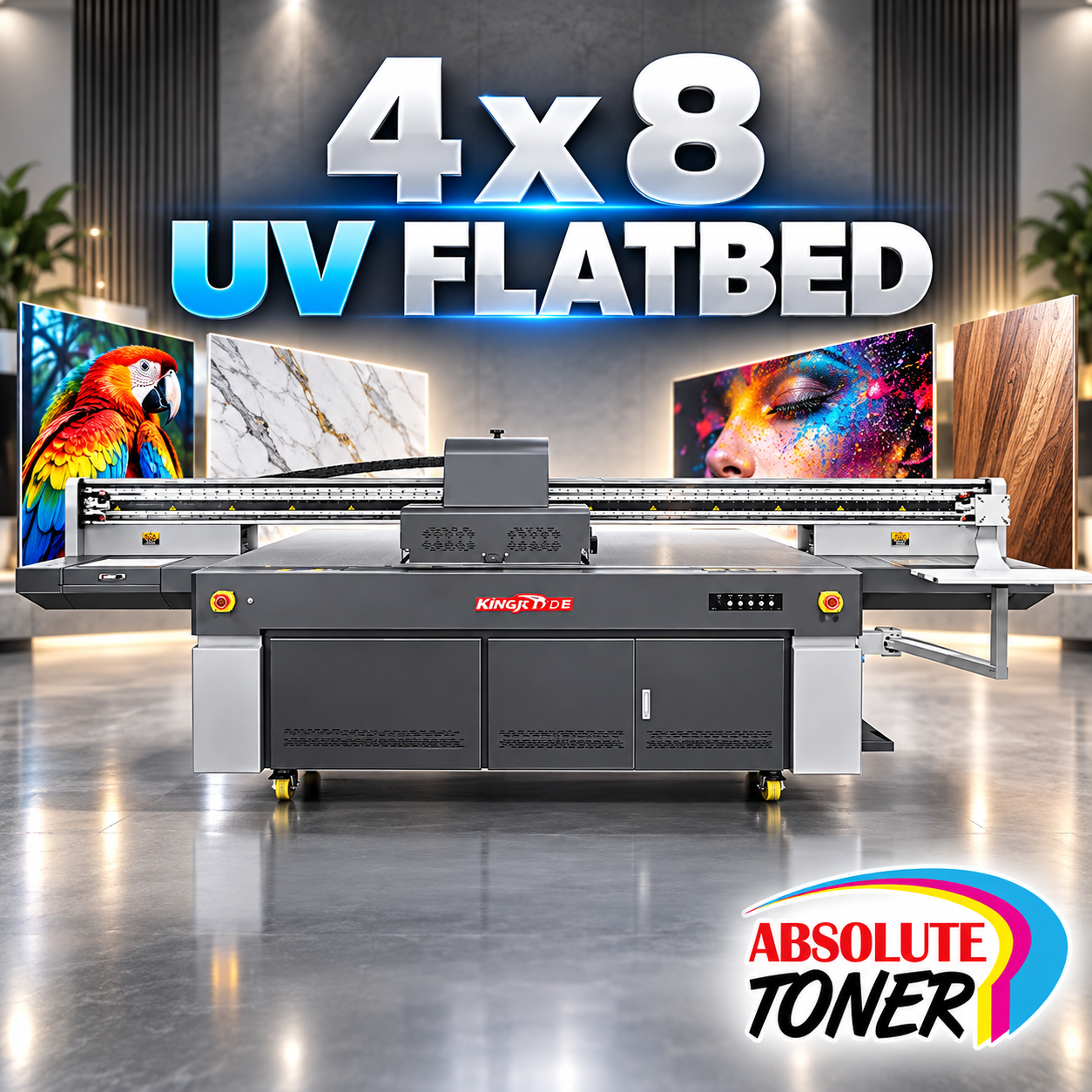
Brand New 4ftx8ft KINGJET Premium Industrial UV Flatbed Printer with 6 Printheads

Sale

Brand New 4ftx8ft KINGJET Premium Industrial UV Flatbed Printer with 6 Printheads
- Sale price
- $35,000
- Regular price
- $55,000
$598/month - 4'x8' Plytronix Flatbed Cutter TX-1325 (4.26 ft x8.2 ft ) High-Precision Digital Flatbed Cutting Machine with Automated Finishing System Utilizes Interchangeable Tool Heads


Sale


$598/month - 4'x8' Plytronix Flatbed Cutter TX-1325 (4.26 ft x8.2 ft ) High-Precision Digital Flatbed Cutting Machine with Automated Finishing System Utilizes Interchangeable Tool Heads
- Sale price
- $29,980
- Regular price
- $44,980
$139/Month BAi THE MIRROR Commercial Embroidery Machine - 15-Needle Custom Apparel & Structured Hat System - NEW


Sale


$139/Month BAi THE MIRROR Commercial Embroidery Machine - 15-Needle Custom Apparel & Structured Hat System - NEW
- Sale price
- $139
- Regular price
- $158
$185/Month BAi THE VISION 15-Needle Single-Head Embroidery Machine - 15.7" x 19.7" Commercial Apparel System - NEW


Sale


$185/Month BAi THE VISION 15-Needle Single-Head Embroidery Machine - 15.7" x 19.7" Commercial Apparel System - NEW
- Sale price
- $185
- Regular price
- $206
$837/month - Mimaki 64" Hybrid – UJ330H-160 Hybrid UV-LED Roll to Roll/Flatbed UV Printer


$837/month - Mimaki 64" Hybrid – UJ330H-160 Hybrid UV-LED Roll to Roll/Flatbed UV Printer
- Price
- $855
$85/month Yinstar A3 Multifunction Flatbed Printer with 3 Epson Heads for Glass Bottles, Mugs, Phone Cases and more


Sale


$85/month Yinstar A3 Multifunction Flatbed Printer with 3 Epson Heads for Glass Bottles, Mugs, Phone Cases and more
- Sale price
- $85
- Regular price
- $175
PROMO: $268/month New Mimaki DTF TxF300-75 32" DTF BUNDLE DTF PRINTER (DIRECT-TO-FILM) Dual Print Heads with Miro 24 Shaker Bundle


Sale


PROMO: $268/month New Mimaki DTF TxF300-75 32" DTF BUNDLE DTF PRINTER (DIRECT-TO-FILM) Dual Print Heads with Miro 24 Shaker Bundle
- Sale price
- $268
- Regular price
- $28,600
New Prisma Auto Clam Slider 110V 16X20" Inch DTF Heat-Press GS-105HS-Grey/Black With Auto Open Slider Feature And Pressure Sensor


Sale


New Prisma Auto Clam Slider 110V 16X20" Inch DTF Heat-Press GS-105HS-Grey/Black With Auto Open Slider Feature And Pressure Sensor
- Sale price
- $1,690
- Regular price
- $1,986
$112/month - JAGUAR 70" AUTOMOTIVE SPECIAL EDITION PPF/TINT Cutter Plotter with Anti-Static kit


Sale


$112/month - JAGUAR 70" AUTOMOTIVE SPECIAL EDITION PPF/TINT Cutter Plotter with Anti-Static kit
- Sale price
- $112
- Regular price
- $145
$247/MONTH - 64" Mimaki CJV200-160 Print & Cut Eco-Solvent Vinyl Printer Cutter Plotter Pre-Owned


Sale


$247/MONTH - 64" Mimaki CJV200-160 Print & Cut Eco-Solvent Vinyl Printer Cutter Plotter Pre-Owned
- Sale price
- $14,500
- Regular price
- $18,500
From $99.93/month - New Prestige R1 13" (NEW MODEL WITH CUTTER) DTF Printer Bundle - Includes Prestige R1 DTF Printer, Startup Package and Compatible Machine Options


From $99.93/month - New Prestige R1 13" (NEW MODEL WITH CUTTER) DTF Printer Bundle - Includes Prestige R1 DTF Printer, Startup Package and Compatible Machine Options
- Price
- From $99.93
From $170/month New Prestige R2 PRO 13.75" WITH CUTTER - DTF Printer 110V A3+ with Bundle options


From $170/month New Prestige R2 PRO 13.75" WITH CUTTER - DTF Printer 110V A3+ with Bundle options
- Price
- From $170
From $417/Month 9-Colour BUNDLE 24" Prestige XL2 PRO New DTF Station Printer with Automatic Powder Applicator/Shaker/Oven/Purifier -MC


From $417/Month 9-Colour BUNDLE 24" Prestige XL2 PRO New DTF Station Printer with Automatic Powder Applicator/Shaker/Oven/Purifier -MC
- Price
- From $417
From $497/month - 9 COLORS Prestige XL3 with 3 Epson i3200 DTF Printer Bundle with Auto Powder Shaker/Oven


From $497/month - 9 COLORS Prestige XL3 with 3 Epson i3200 DTF Printer Bundle with Auto Powder Shaker/Oven
- Price
- From $497
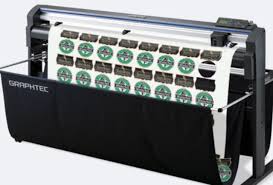
$169/MONTH NEW 64" Graphtec FC9000-160 For Automotive Professionals with 50 ft accurate tracking of Window Tint, PPF Film & Vinyl. Roll-fed Cutting Plotter

Sale

$169/MONTH NEW 64" Graphtec FC9000-160 For Automotive Professionals with 50 ft accurate tracking of Window Tint, PPF Film & Vinyl. Roll-fed Cutting Plotter
- Sale price
- $169
- Regular price
- $225
$99/Month - (FREE SHAKER) DTF x2 Epson Print Heads (110V) YINSTAR A3 13" DTF PRINTER


Sale


$99/Month - (FREE SHAKER) DTF x2 Epson Print Heads (110V) YINSTAR A3 13" DTF PRINTER
- Sale price
- $99
- Regular price
- $185
$195/Month 27" IN-STOCK Yinstar High Precision 27" Commercial Production DTF Printer with 2x i3200-A1 Epson Printheads DTF Powder Shaker.


Sale


$195/Month 27" IN-STOCK Yinstar High Precision 27" Commercial Production DTF Printer with 2x i3200-A1 Epson Printheads DTF Powder Shaker.
- Sale price
- $195
- Regular price
- $249
$247/Month 24" IN-STOCK Yinstar WI-FI DTF Printer with 2x Epson I3200 Print Heads Including DTF Powder Shaker Machine with Air Filter and Auto Powder Recycling System


Sale


$247/Month 24" IN-STOCK Yinstar WI-FI DTF Printer with 2x Epson I3200 Print Heads Including DTF Powder Shaker Machine with Air Filter and Auto Powder Recycling System
- Sale price
- $247
- Regular price
- $350
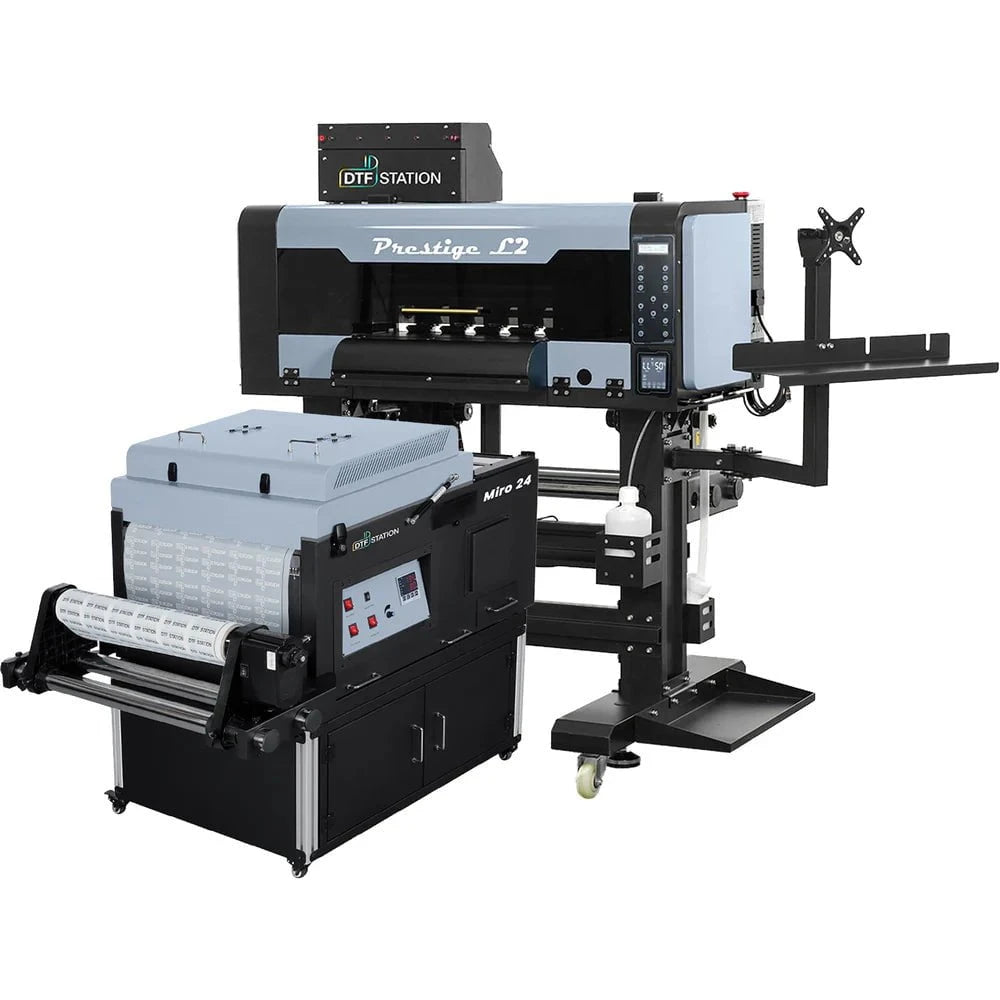
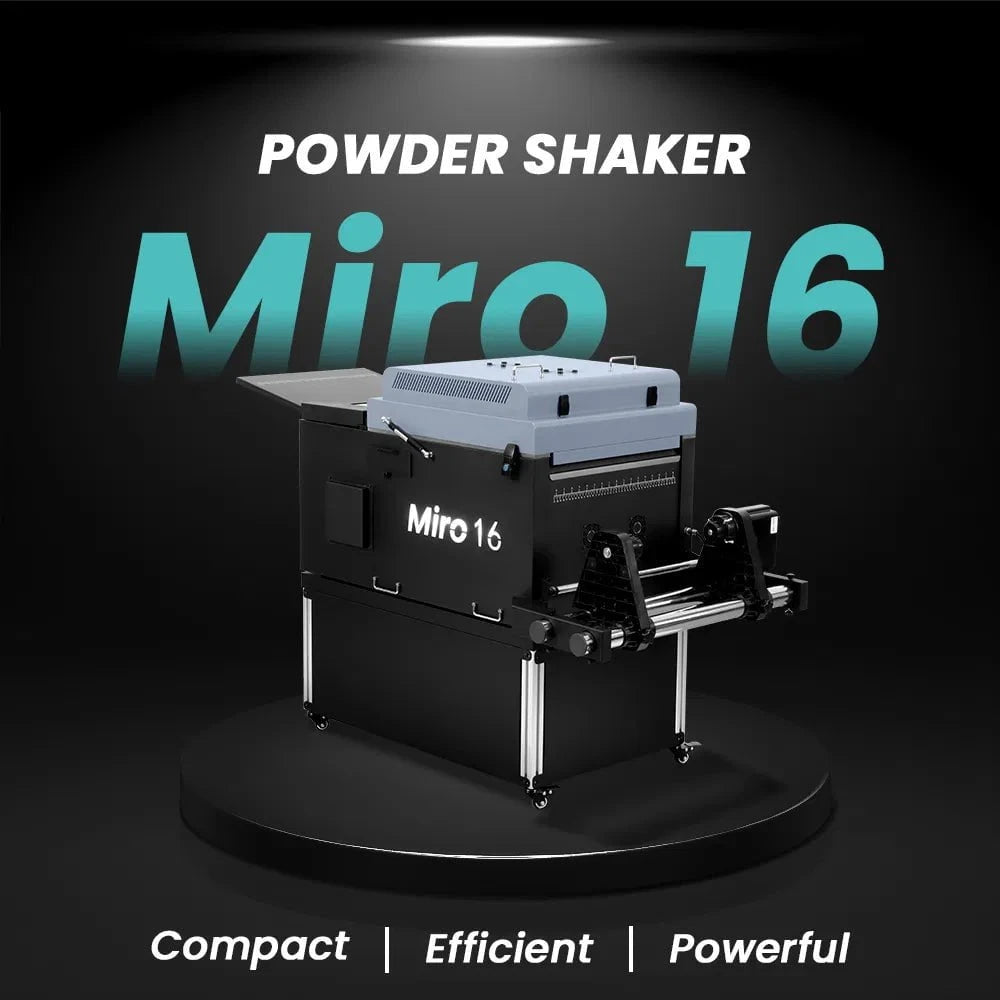
$379/month Prestige L2 18.5" DTF Printer Dual i3200 with Miro 16 Automatic Powder Applicator/Shaker oven and Built-In Oven
Sale
$379/month Prestige L2 18.5" DTF Printer Dual i3200 with Miro 16 Automatic Powder Applicator/Shaker oven and Built-In Oven
- Sale price
- $379
- Regular price
- $465
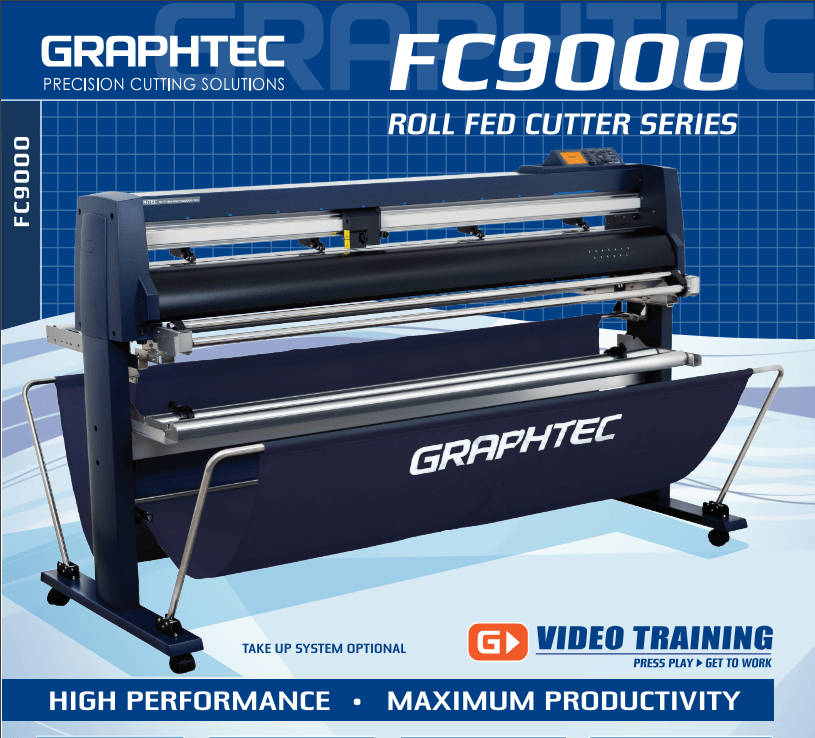
$145/MONTH DEMO 64" Graphtec FC9000-160 For Automotive Professionals with 50 ft accurate tracking of Window Tint, PPF Film & Vinyl. Roll-fed Cutting Plotter

Sale

$145/MONTH DEMO 64" Graphtec FC9000-160 For Automotive Professionals with 50 ft accurate tracking of Window Tint, PPF Film & Vinyl. Roll-fed Cutting Plotter
- Sale price
- $145
- Regular price
- $225
Expanding Your Print Shop: Why Adding Embroidery is a High-Margin Game Changer

Why Are Print Shops Outsourcing Their Embroidery Operations?
Print shops outsource their embroidery operations due to perceived high entry costs, lack of training with digitizing software, and fear of complex hardware maintenance. This dependency on third-party decorators causes massive margin losses, extends corporate client fulfillment delays, and removes direct quality control over final retail-ready apparel.
Many commercial decorators in the Greater Toronto Area rely entirely on screen printing or direct-to-film transfers. When a corporate client requests threaded hats or heavy jackets alongside their t-shirt order, shop owners broker the work to local competitors. Paying retail pricing to external vendors destroys profitability on B2B contracts.
Operating under this brokerage model guarantees client friction. A delayed shipment from your embroidery contractor forces you to miss strict courier dispatch windows. Regaining control requires deploying professional custom apparel embroidery systems directly inside your existing production bay.
What Are Custom Apparel Embroidery Systems?
Custom apparel embroidery systems are commercial-grade, multi-needle stitching machines engineered to drive colored threads through heavy textiles at extreme velocities. These industrial units process digitized vector files, automatically managing thread tension and executing rapid color changes to produce high-resolution logos on hats, jackets, and corporate uniforms.
Transitioning into threading requires hardware built for continuous commercial fulfillment. Attempting to fulfill massive corporate runs on consumer sewing machines leads to constant needle bar jams and snapped threads. Commercial infrastructure provides the mechanical stability necessary to process thick substrates like 3D puff foam, heavy leather, and dense canvas.
The core mechanics separating enterprise machinery from consumer hobbyist units include:
-
Multi-Needle Embroidery Heads: 15-needle configurations hold a full spectrum of colors, automatically switching threads without operator intervention.
-
Industrial Stitch Count Capacity: High-velocity servomotors drive needle bars up to 1,200 stitches per minute, completing dense left-chest logos in under four minutes.
-
270-Degree Cap Drivers: Specialized rotary attachments allow continuous stitching across the curved front panels of structured snapback hats.
-
Digitizing Software Integration: Direct network connections load complex stitch files rapidly from your central rip station.
Combining DTF Printing and Embroidery for Mixed-Media Apparel
Combining DTF printing and embroidery creates premium mixed-media apparel, significantly increasing the average order value per client. Decorators apply a flat DTF transfer for large back graphics, then use automated stitching on the front left chest, producing highly profitable, retail-ready garments with minimal manual handling.
Corporate merch buyers demand visual variety. Offering only one decoration method restricts your bidding power on massive promotional contracts. Operating a high-speed DTF printer alongside a 15-needle stitching unit gives your sales team total flexibility.
Applying a backing stabilizer and threading a high-end logo onto a premium hoodie commands a much higher retail markup than a standard flat print. You extract maximum revenue from the same raw blank garment.
Expanding a Print Shop with Embroidery Using BAI Technology
Expanding a print shop with embroidery using BAI technology eliminates third-party outsourcing dependencies by delivering accessible, industrial-grade stitching capabilities. Deploying these exact mechanical systems allows Canadian decorators to process large-volume hat and uniform runs internally, drastically reducing per-item costs while maintaining strict quality control.
Scaling your operation requires exact mechanical baselines. The BAi Mirror and Vision series deliver continuous output for shops outgrowing their current floor plans. An internal memory architecture caches millions of stitches, allowing immediate recall when your biggest B2B client demands a rapid restock of their corporate uniforms.
Comparing the financial reality of outsourcing against operating your own equipment exposes the true cost of lost opportunity:

Retaining Corporate B2B Merchandise Contracts
Retaining corporate B2B merchandise contracts relies entirely on rapid fulfillment speeds and exact visual consistency. Executing both print and threaded decoration internally ensures perfect color-matching across different garment types, securing lucrative, long-term supply agreements without relying on unverified external vendors.
High-end buyers expect exact Pantone matching. Replicating a digital ICC profile across physical thread colors requires direct oversight. When you control the hooping process and monitor the needle penetration directly, you prevent the slight visual deviations that ruin corporate branding.
Managing this equipment internally also aligns with strict operational standards. Canada's Competition Bureau directives regarding environmental claims require businesses to substantiate waste reduction metrics. Controlling production reduces misprints and limits corporate electronic waste by maximizing the operational efficiency of hardware equipped with Energy Star certified sleep modes.
How to Buy BAI Embroidery Machines in Canada
To buy BAI embroidery machines in Canada, decorators must source equipment through a verified domestic supplier to guarantee rapid deployment and localized technical support. Absolute Toner provides the Greater Toronto Area with premium stitching infrastructure, ensuring fast courier dispatch and continuous access to essential thread and stabilizer inventories.
International supply chains create massive vulnerabilities for Canadian print shops. Waiting six weeks for a shipping container from overseas halts your expansion plans. Facilities operating in Mississauga, Brampton, Vaughan, and Toronto require immediate access to industrial hardware and localized training.
Absolute Toner commands the Ontario commercial apparel market through rapid cross-Canada logistics. We stock exact-match replacement components, magnetic hoops, and commercial threads. We back every installation with direct technical support, allowing operators to bypass the steep learning curve associated with digitizing software.
Adding threaded decoration transforms your profit ceiling. You stop acting as a middleman and start manufacturing premium retail goods directly inside your own facility.
- Choosing a selection results in a full page refresh.