Menu


Trending Top Sellers
$135/Month BAi THE MIRROR Commercial Embroidery Machine - 15-Needle Custom Apparel & Structured Hat System - NEW


$135/Month BAi THE MIRROR Commercial Embroidery Machine - 15-Needle Custom Apparel & Structured Hat System - NEW
- Price
- $135
$175/Month BAi THE VISION 15-Needle Single-Head Embroidery Machine - 15.7" x 19.7" Commercial Apparel System - NEW


$175/Month BAi THE VISION 15-Needle Single-Head Embroidery Machine - 15.7" x 19.7" Commercial Apparel System - NEW
- Price
- $175
$219/Month BAi THE VISION 2 Dual-Head Commercial Embroidery Machine - Dual-Head 15-Needle Custom Apparel System - NEW


$219/Month BAi THE VISION 2 Dual-Head Commercial Embroidery Machine - Dual-Head 15-Needle Custom Apparel System - NEW
- Price
- $219
$890/month NEW - IN STOCK -Mimaki 64" Hybrid – Complete Turnkey Package | UJ330H-160 Hybrid UV-LED Printer


$890/month NEW - IN STOCK -Mimaki 64" Hybrid – Complete Turnkey Package | UJ330H-160 Hybrid UV-LED Printer
$185/Month New Mimaki DTF TxF300-75 32" High-Speed Dual Printheads DTF Printer


Sale


$185/Month New Mimaki DTF TxF300-75 32" High-Speed Dual Printheads DTF Printer
PROMO: $285/month New Mimaki DTF TxF300-75 32" DTF BUNDLE DTF PRINTER (DIRECT-TO-FILM) Dual Print Heads with Miro 36 Shaker Bundle


Sale


PROMO: $285/month New Mimaki DTF TxF300-75 32" DTF BUNDLE DTF PRINTER (DIRECT-TO-FILM) Dual Print Heads with Miro 36 Shaker Bundle
- Sale price
- $285
- Regular price
- $695
PROMO: $268/month New Mimaki DTF TxF300-75 32" DTF BUNDLE DTF PRINTER (DIRECT-TO-FILM) Dual Print Heads with Miro 24 Shaker Bundle

Sale

PROMO: $268/month New Mimaki DTF TxF300-75 32" DTF BUNDLE DTF PRINTER (DIRECT-TO-FILM) Dual Print Heads with Miro 24 Shaker Bundle
- Sale price
- $268
- Regular price
- $28,600
$495/month - 4'x8' Plytronix Flatbed Cutter TX-1325 (4.26 ft x8.2 ft ) High-Precision Digital Flatbed Cutting Machine with Automated Finishing System Utilizes Interchangeable Tool Heads


$495/month - 4'x8' Plytronix Flatbed Cutter TX-1325 (4.26 ft x8.2 ft ) High-Precision Digital Flatbed Cutting Machine with Automated Finishing System Utilizes Interchangeable Tool Heads
- Price
- $495
New Prisma Auto Clam Slider 110V 16X20" Inch DTF Heat-Press GS-105HS-Grey/Black With Auto Open Slider Feature And Pressure Sensor


Sale


New Prisma Auto Clam Slider 110V 16X20" Inch DTF Heat-Press GS-105HS-Grey/Black With Auto Open Slider Feature And Pressure Sensor
- Sale price
- $1,690
- Regular price
- $1,986
$99/month - JAGUAR 70" AUTOMOTIVE SPECIAL EDITION PPF/TINT Cutter Plotter with Anti-Static kit and Tint Velvet Film.


Sale


$99/month - JAGUAR 70" AUTOMOTIVE SPECIAL EDITION PPF/TINT Cutter Plotter with Anti-Static kit and Tint Velvet Film.
- Sale price
- $99
- Regular price
- $145
$99/Month - (FREE SHAKER) DTF x2 Epson Print Heads (110V) YINSTAR A3 13" DTF PRINTER


Sale


$99/Month - (FREE SHAKER) DTF x2 Epson Print Heads (110V) YINSTAR A3 13" DTF PRINTER
- Sale price
- $99
- Regular price
- $185
From $99/month - New Prestige R1 13" DTF Printer Bundle - Includes Prestige R1 DTF Printer, Startup Package and Compatible Machine Options -MC


From $99/month - New Prestige R1 13" DTF Printer Bundle - Includes Prestige R1 DTF Printer, Startup Package and Compatible Machine Options -MC
- Price
- From $99
From $149/month New Prestige R2 PRO 13.75" WITH CUTTER DTF Printer 110V A3+ with Bundle options -MC


From $149/month New Prestige R2 PRO 13.75" WITH CUTTER DTF Printer 110V A3+ with Bundle options -MC
- Price
- From $149
From $417/Month 9-Colour BUNDLE 24" Prestige XL2 PRO New DTF Station Printer with Automatic Powder Applicator/Shaker/Oven/Purifier -MC


From $417/Month 9-Colour BUNDLE 24" Prestige XL2 PRO New DTF Station Printer with Automatic Powder Applicator/Shaker/Oven/Purifier -MC
- Price
- From $417
From $497/month - 9 COLORS Prestige XL3 with 3 Epson i3200 DTF Printer Bundle with Auto Powder Shaker/Oven


From $497/month - 9 COLORS Prestige XL3 with 3 Epson i3200 DTF Printer Bundle with Auto Powder Shaker/Oven
- Price
- From $497
NEW JAGUAR 70" AUTOMOTIVE SPECIAL EDITION PPF/TINT Cutter Plotter with Anti-Static kit and Tint Velvet Film.
Sale
NEW JAGUAR 70" AUTOMOTIVE SPECIAL EDITION PPF/TINT Cutter Plotter with Anti-Static kit and Tint Velvet Film.
- Sale price
- $5,980
- Regular price
- $6,980
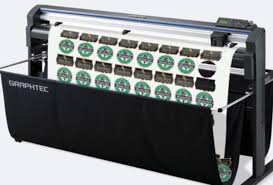
$169/MONTH NEW 64" Graphtec FC9000-160 For Automotive Professionals with 50 ft accurate tracking of Window Tint, PPF Film & Vinyl. Roll-fed Cutting Plotter

Sale

$169/MONTH NEW 64" Graphtec FC9000-160 For Automotive Professionals with 50 ft accurate tracking of Window Tint, PPF Film & Vinyl. Roll-fed Cutting Plotter
- Sale price
- $169
- Regular price
- $225
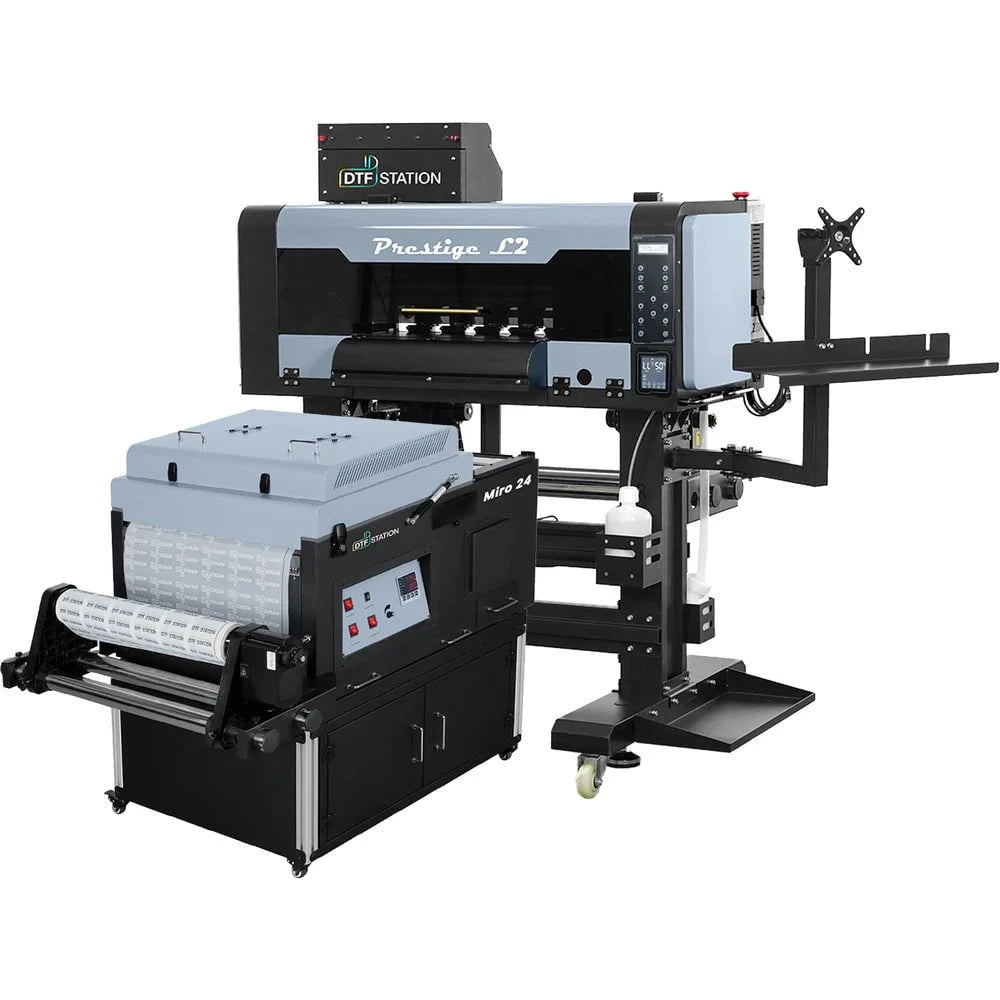
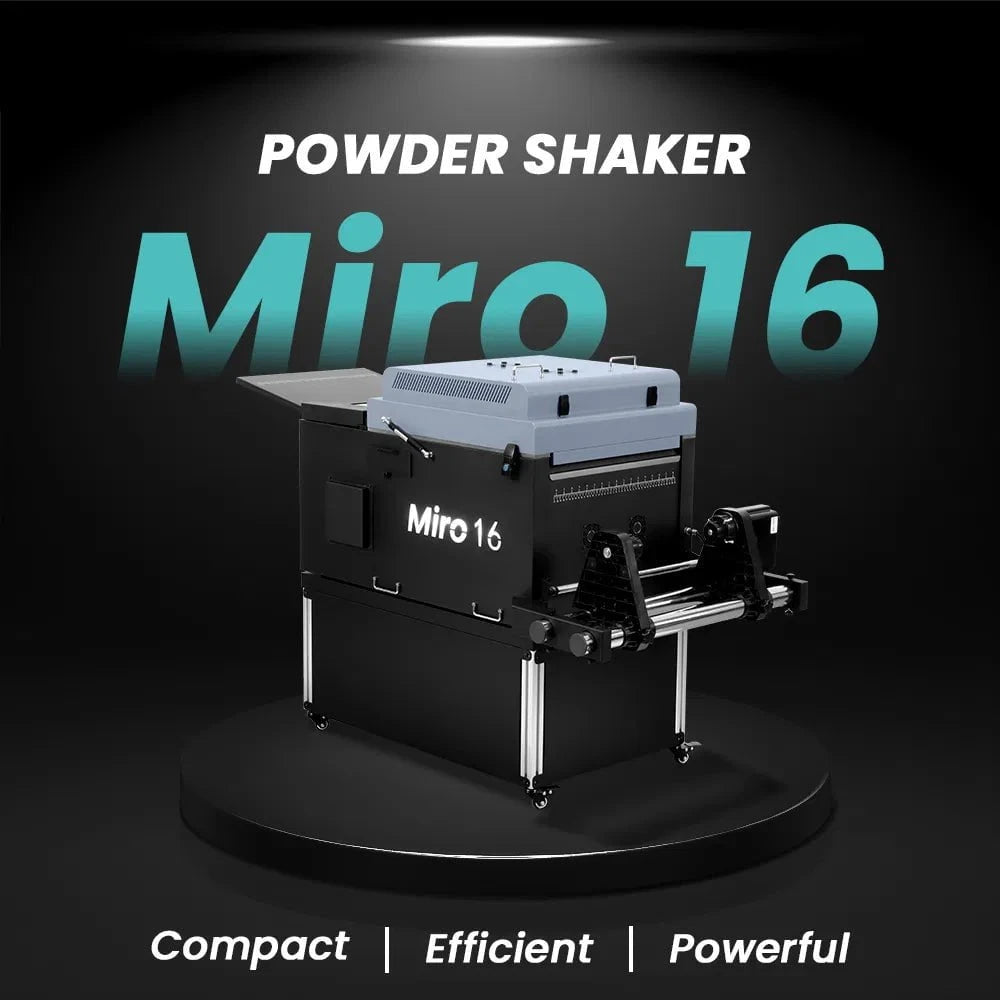
$379/month Prestige L2 18.5" DTF Printer Dual i3200 with Miro 16 Automatic Powder Applicator/Shaker oven and Built-In Oven
Sale
$379/month Prestige L2 18.5" DTF Printer Dual i3200 with Miro 16 Automatic Powder Applicator/Shaker oven and Built-In Oven
- Sale price
- $379
- Regular price
- $465
$195/Month 27" IN-STOCK Yinstar High Precision 27" Commercial Production DTF Printer with 2x i3200-A1 Epson Printheads DTF Powder Shaker.


Sale


$195/Month 27" IN-STOCK Yinstar High Precision 27" Commercial Production DTF Printer with 2x i3200-A1 Epson Printheads DTF Powder Shaker.
- Sale price
- $195
- Regular price
- $249
$247/Month 24" IN-STOCK Yinstar WI-FI DTF Printer with 2x Epson I3200 Print Heads Including DTF Powder Shaker Machine with Air Filter and Auto Powder Recycling System


Sale


$247/Month 24" IN-STOCK Yinstar WI-FI DTF Printer with 2x Epson I3200 Print Heads Including DTF Powder Shaker Machine with Air Filter and Auto Powder Recycling System
- Sale price
- $247
- Regular price
- $350
In A Strategic Move Xerox Acquires Lexmark for Print Industry Innovation

In a landmark development for the global print and imaging sector, Xerox Holdings Corporation finalized its $1.5 billion acquisition of Lexmark International, Inc. on July 1, 2025. This strategic move unites two industry giants, positioning Xerox as a dominant player in managed print services (MPS) and reinforcing its commitment to delivering innovative workplace solutions tailored for hybrid work environments. For Canadian businesses, this acquisition signals enhanced access to cutting-edge print technologies, expanded service offerings, and a stronger focus on sustainability and compliance with local regulations. This article explores the implications of the Xerox-Lexmark merger for the Canadian market, delving into its strategic significance, technological advancements, and alignment with Canadian regulations and market trends.
A Milestone in Xerox’s Reinvention Strategy
The acquisition of Lexmark is a cornerstone of Xerox’s broader “Reinvention” strategy, aimed at transitioning from traditional hardware-centric offerings to services-led, digitally enabled workplace solutions. Valued at $1.5 billion, inclusive of net debt and assumed liabilities, the deal brings Lexmark out of Chinese ownership (previously held by Ninestar Corporation, PAG Asia Capital, and Shanghai Shouda Investment Centre) and under Xerox’s U.S.-based umbrella. This consolidation strengthens Xerox’s market presence, positioning it among the top five players in every major print segment globally, with a particular emphasis on MPS leadership.
For Canadian businesses, this merger offers a unique opportunity to leverage a combined portfolio that integrates Lexmark’s robust imaging and IoT solutions with Xerox’s established expertise in workplace technologies. The unified organization now serves over 200,000 clients across 170 countries, operating 125 manufacturing and distribution facilities in 16 countries. In Canada, where hybrid work models are increasingly prevalent, this expanded reach ensures businesses can access scalable, innovative print solutions to meet evolving needs.
Strategic Benefits for Canadian Businesses
Enhanced Managed Print Services
Xerox’s leadership in MPS is a critical advantage for Canadian organizations, particularly in sectors like finance, healthcare, and education, where secure and efficient document management is paramount. MPS allows businesses to optimize their print infrastructure, reduce costs, and improve workflow efficiency. With Lexmark’s integration, Xerox enhances its MPS offerings with advanced analytics, cloud-based solutions, and IoT-enabled devices, enabling Canadian companies to streamline operations while adhering to stringent data privacy regulations like the Personal Information Protection and Electronic Documents Act (PIPEDA).
For example, businesses in Ontario’s financial sector, such as banks and insurance firms in Toronto, can benefit from Lexmark’s expertise in secure printing solutions, which complement Xerox’s existing portfolio. This synergy ensures compliance with PIPEDA’s requirements for safeguarding personal data during document processing, a priority for Canadian enterprises handling sensitive client information.
Expanded Manufacturing and Distribution
The acquisition bolsters Xerox’s manufacturing and distribution capabilities, with the combined entity operating 125 facilities worldwide. In Canada, this translates to improved supply chain reliability and faster service delivery, addressing challenges faced during recent global disruptions. For instance, businesses in British Columbia, a hub for technology and innovation, can expect steadier access to print hardware and consumables, reducing downtime and enhancing operational efficiency.
Moreover, the merger aligns with Canada’s push for sustainable business practices. Both Xerox and Lexmark have prioritized eco-friendly initiatives, such as energy-efficient devices and recycling programs. This focus resonates with Canadian regulations under the Canadian Environmental Protection Act, which encourages businesses to adopt sustainable technologies to reduce their environmental footprint.
Leadership and Integration: A Unified Vision
Leadership Transitions
The acquisition brings significant leadership changes, with Xerox CEO Steve Bandrowczak continuing to lead the combined organization. Lexmark’s outgoing president and CEO, Allen Waugerman, stepped down following the deal’s closure, expressing confidence in the merger’s potential to shape the future of the printing industry. The executive team now comprises leaders from both companies, fostering a collaborative approach to innovation and growth.
For Canadian partners and clients, this unified leadership ensures continuity and expertise. The inclusion of Lexmark executives, such as Kim Kleps as Chief People Officer, signals a commitment to blending the strengths of both organizations, which is particularly relevant for Canadian resellers navigating the transition.
Integration Strategy
Xerox’s integration strategy focuses on leveraging complementary portfolios to drive innovation. While the Lexmark brand will persist for an undetermined period, Xerox COO John Bruno emphasized a thoughtful transition to a unified Xerox identity. This approach minimizes disruption for Canadian dealers and clients, ensuring seamless access to products and services during the integration phase.
Canadian businesses can expect a phased approach to product line consolidation, with potential streamlining of overlapping offerings. This strategy aligns with Canada’s Competition Act, which emphasizes fair market practices and consumer choice, ensuring that the merger does not stifle competition but enhances service quality and innovation.
Technological Advancements and Innovation
Combining Complementary Portfolios
The merger unites Xerox’s expertise in photocopiers and document management with Lexmark’s strengths in imaging, IoT, and software solutions. This synergy creates a robust platform for delivering end-to-end workplace solutions, particularly in Canada’s hybrid work landscape. For instance, Lexmark’s IoT-enabled printers, which integrate seamlessly with cloud platforms, complement Xerox’s digital workflow tools, enabling businesses to automate document processes and enhance productivity.
In sectors like Canadian healthcare, where hospitals in Alberta and Quebec rely on secure and efficient document management, the combined portfolio offers advanced solutions for digitizing patient records while maintaining compliance with provincial privacy laws, such as British Columbia’s Freedom of Information and Protection of Privacy Act (FOIPPA).
Financial and Operational Impact
Xerox anticipates immediate financial benefits from the acquisition, including improved adjusted earnings per share and free cash flow in 2025. The company projects $240 million in cost synergies within two years, driven by streamlined operations and reduced gross debt leverage. For Canadian businesses, these efficiencies translate to competitive pricing and enhanced service offerings, making Xerox a cost-effective partner for print and imaging needs.
The deal was financed through a combination of cash reserves and debt, including $250 million in senior notes due 2030 at a 13% interest rate. While Xerox reduced its quarterly dividend from $1.00 to $0.50 per share to support integration efforts, the financial strategy underscores a long-term commitment to growth and stability, reassuring Canadian investors and stakeholders.
Compliance with Canadian Regulations
Adhering to PIPEDA and Privacy Standards
In Canada, compliance with PIPEDA is non-negotiable for businesses handling personal data. The Xerox-Lexmark merger enhances the ability to deliver secure print solutions that align with PIPEDA’s principles, such as obtaining consent for data collection and implementing safeguards to protect personal information. Lexmark’s expertise in secure printing, combined with Xerox’s MPS, ensures that Canadian organizations can maintain compliance while optimizing their print environments.
For example, law firms in Toronto, which handle sensitive client data, can leverage Xerox’s enhanced MPS to implement secure print release systems, reducing the risk of unauthorized access to documents. This capability is critical in meeting PIPEDA’s accountability requirements and building trust with clients.
Navigating the Competition Act
The acquisition received approval from the European Commission, which found no significant competition concerns due to the presence of alternative suppliers. In Canada, the Competition Bureau likely reviewed the merger under the Competition Act to ensure it does not substantially lessen competition. The combined entity’s focus on innovation and expanded service offerings aligns with the Act’s objectives of promoting efficiency and consumer choice, positioning Xerox as a competitive yet compliant player in the Canadian market.
Market Trends and Opportunities in Canada
Hybrid Work and Digital Transformation
The rise of hybrid work models in Canada, accelerated by post-pandemic shifts, has increased demand for flexible, cloud-based print solutions. According to a 2025 report by IDC Canada, 68% of Canadian businesses are investing in digital transformation to support hybrid workplaces, with MPS playing a pivotal role. The Xerox-Lexmark merger positions the company to capitalize on this trend, offering Canadian organizations scalable solutions that integrate with cloud platforms like Microsoft Azure and Google Cloud.
For small and medium-sized enterprises (SMEs) in cities like Vancouver and Montreal, this means access to affordable, high-quality print services that support remote and in-office workflows. The merger’s focus on digital enablement aligns with Canada’s broader push for technological innovation, as outlined in the federal government’s Innovation and Skills Plan.
Sustainability and Corporate Responsibility
Sustainability is a growing priority for Canadian businesses, driven by consumer demand and regulatory frameworks like the Canadian Net-Zero Emissions Accountability Act. Xerox and Lexmark’s combined efforts in producing energy-efficient devices and implementing cartridge recycling programs align with these goals. For instance, Lexmark’s Cebu-based R&D hub, which employs over 1,800 professionals, contributes to developing sustainable hardware and software solutions, benefiting Canadian clients seeking eco-conscious technologies.
Implications for Canadian Partners and Resellers
For Xerox’s Canadian partners, the acquisition opens new opportunities to expand their service portfolios. Jacques-Edouard Gueden, Xerox’s Chief Channel and Partner Officer, emphasized the merger’s potential to enhance partner capabilities through access to Lexmark’s product lines and global distribution network. Canadian resellers, particularly in competitive markets like Ontario and Alberta, can leverage these resources to offer comprehensive solutions, from hardware to managed services, strengthening their market position.
Xerox’s Partner Connect program provides resources and FAQs to support partners during the integration, ensuring a smooth transition. This support is crucial for Canadian dealers navigating product line changes and new channel programs, maintaining trust and collaboration in the ecosystem.
A New Era for Canada’s Print Industry
The Xerox-Lexmark acquisition marks a transformative moment for Canada’s print and imaging sector, combining two industry leaders to deliver innovative, compliant, and sustainable solutions. By enhancing MPS, expanding manufacturing capabilities, and aligning with Canadian regulations like PIPEDA and the Competition Act, Xerox is well-positioned to meet the evolving needs of businesses across the country. For Canadian organizations, from SMEs in British Columbia to large enterprises in Ontario, this merger promises improved access to cutting-edge technologies and services that drive efficiency and growth in a hybrid world.
As the integration progresses, Canadian businesses and partners can expect a seamless transition, backed by a unified leadership team and a commitment to innovation. For more details, visit Xerox’s Partner Connect portal or explore Innovation, Science and Economic Development Canada for insights into Canada’s technology landscape.
- Choosing a selection results in a full page refresh.