Menu


Trending Top Sellers
$135/Month BAi 1501 THE MIRROR Commercial Embroidery Machine - 15-Needle Custom Apparel & Structured Hat System


$135/Month BAi 1501 THE MIRROR Commercial Embroidery Machine - 15-Needle Custom Apparel & Structured Hat System
- Price
- $135
$185/Month BAi THE VISION Multi-Head Commercial Embroidery Machine - Industrial High-Speed Multi-Head Apparel System


$185/Month BAi THE VISION Multi-Head Commercial Embroidery Machine - Industrial High-Speed Multi-Head Apparel System
- Price
- $185
$235/Month BAi THE VISION 2-Head Commercial Embroidery Machine - Dual-Head 15-Needle Custom Apparel System


$235/Month BAi THE VISION 2-Head Commercial Embroidery Machine - Dual-Head 15-Needle Custom Apparel System
- Price
- $235
$890/month NEW - IN STOCK -Mimaki 64" Hybrid – Complete Turnkey Package | UJ330H-160 Hybrid UV-LED Printer


$890/month NEW - IN STOCK -Mimaki 64" Hybrid – Complete Turnkey Package | UJ330H-160 Hybrid UV-LED Printer
$185/Month New Mimaki DTF TxF300-75 32" High-Speed Dual Printheads DTF Printer


Sale


$185/Month New Mimaki DTF TxF300-75 32" High-Speed Dual Printheads DTF Printer
PROMO: $285/month New Mimaki DTF TxF300-75 32" DTF BUNDLE DTF PRINTER (DIRECT-TO-FILM) Dual Print Heads with Miro 36 Shaker Bundle


Sale


PROMO: $285/month New Mimaki DTF TxF300-75 32" DTF BUNDLE DTF PRINTER (DIRECT-TO-FILM) Dual Print Heads with Miro 36 Shaker Bundle
- Sale price
- $285
- Regular price
- $695
PROMO: $268/month New Mimaki DTF TxF300-75 32" DTF BUNDLE DTF PRINTER (DIRECT-TO-FILM) Dual Print Heads with Miro 24 Shaker Bundle


Sale


PROMO: $268/month New Mimaki DTF TxF300-75 32" DTF BUNDLE DTF PRINTER (DIRECT-TO-FILM) Dual Print Heads with Miro 24 Shaker Bundle
- Sale price
- $268
- Regular price
- $28,600
$495/month - 4'x8' Plytronix Flatbed Cutter TX-1325 (4.26 ft x8.2 ft ) High-Precision Digital Flatbed Cutting Machine with Automated Finishing System Utilizes Interchangeable Tool Heads


$495/month - 4'x8' Plytronix Flatbed Cutter TX-1325 (4.26 ft x8.2 ft ) High-Precision Digital Flatbed Cutting Machine with Automated Finishing System Utilizes Interchangeable Tool Heads
- Price
- $495
$99/month - JAGUAR 70" AUTOMOTIVE SPECIAL EDITION PPF/TINT Cutter Plotter with Anti-Static kit and Tint Velvet Film.


Sale


$99/month - JAGUAR 70" AUTOMOTIVE SPECIAL EDITION PPF/TINT Cutter Plotter with Anti-Static kit and Tint Velvet Film.
- Sale price
- $99
- Regular price
- $145
$99/Month - (FREE SHAKER) DTF x2 Epson Print Heads (110V) YINSTAR A3 13" DTF PRINTER


Sale


$99/Month - (FREE SHAKER) DTF x2 Epson Print Heads (110V) YINSTAR A3 13" DTF PRINTER
- Sale price
- $99
- Regular price
- $185
From $99/month - New Prestige R1 13" DTF Printer Bundle - Includes Prestige R1 DTF Printer, Startup Package and Compatible Machine Options -MC


From $99/month - New Prestige R1 13" DTF Printer Bundle - Includes Prestige R1 DTF Printer, Startup Package and Compatible Machine Options -MC
- Price
- From $99
From $149/month New Prestige R2 PRO 13.75" WITH CUTTER DTF Printer 110V A3+ with Bundle options -MC


From $149/month New Prestige R2 PRO 13.75" WITH CUTTER DTF Printer 110V A3+ with Bundle options -MC
- Price
- From $149
From $417/Month 9-Colour BUNDLE 24" Prestige XL2 PRO New DTF Station Printer with Automatic Powder Applicator/Shaker/Oven/Purifier -MC


From $417/Month 9-Colour BUNDLE 24" Prestige XL2 PRO New DTF Station Printer with Automatic Powder Applicator/Shaker/Oven/Purifier -MC
- Price
- From $417
From $497/month - 9 COLORS Prestige XL3 with 3 Epson i3200 DTF Printer Bundle with Auto Powder Shaker/Oven


From $497/month - 9 COLORS Prestige XL3 with 3 Epson i3200 DTF Printer Bundle with Auto Powder Shaker/Oven
- Price
- From $497
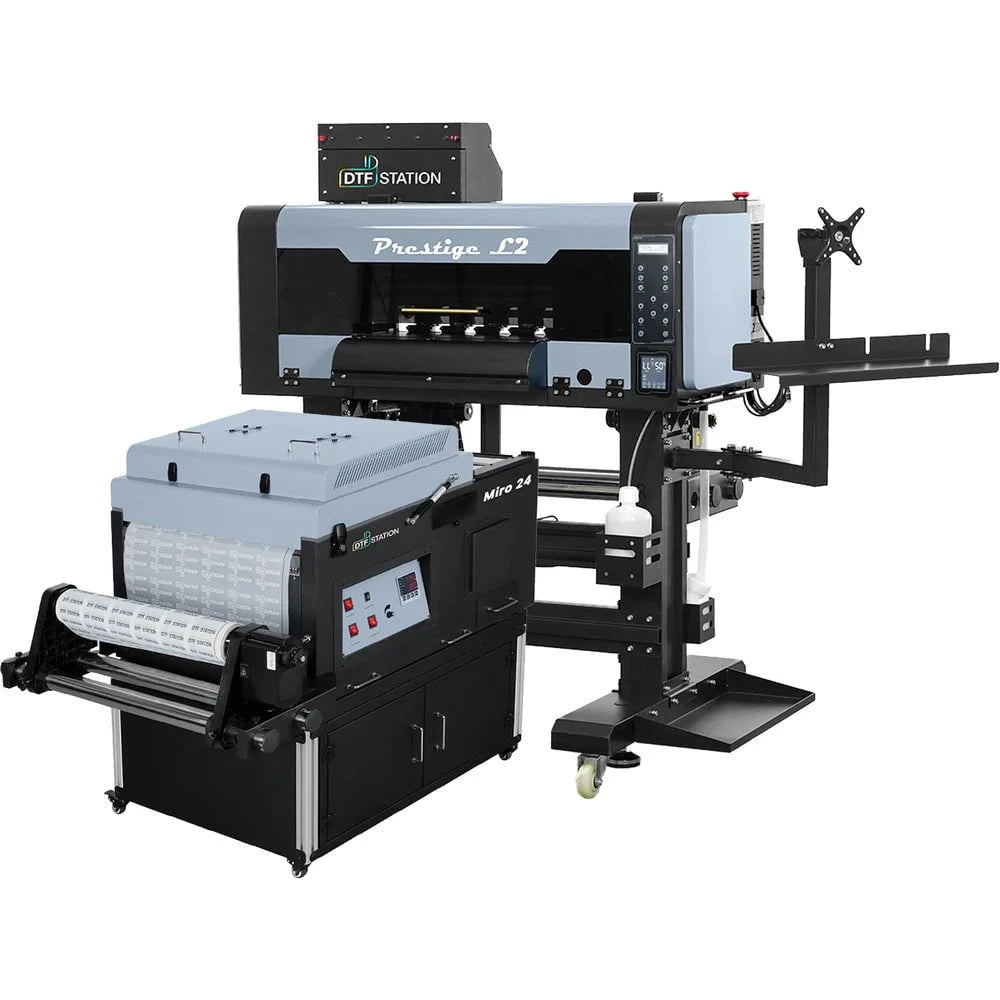
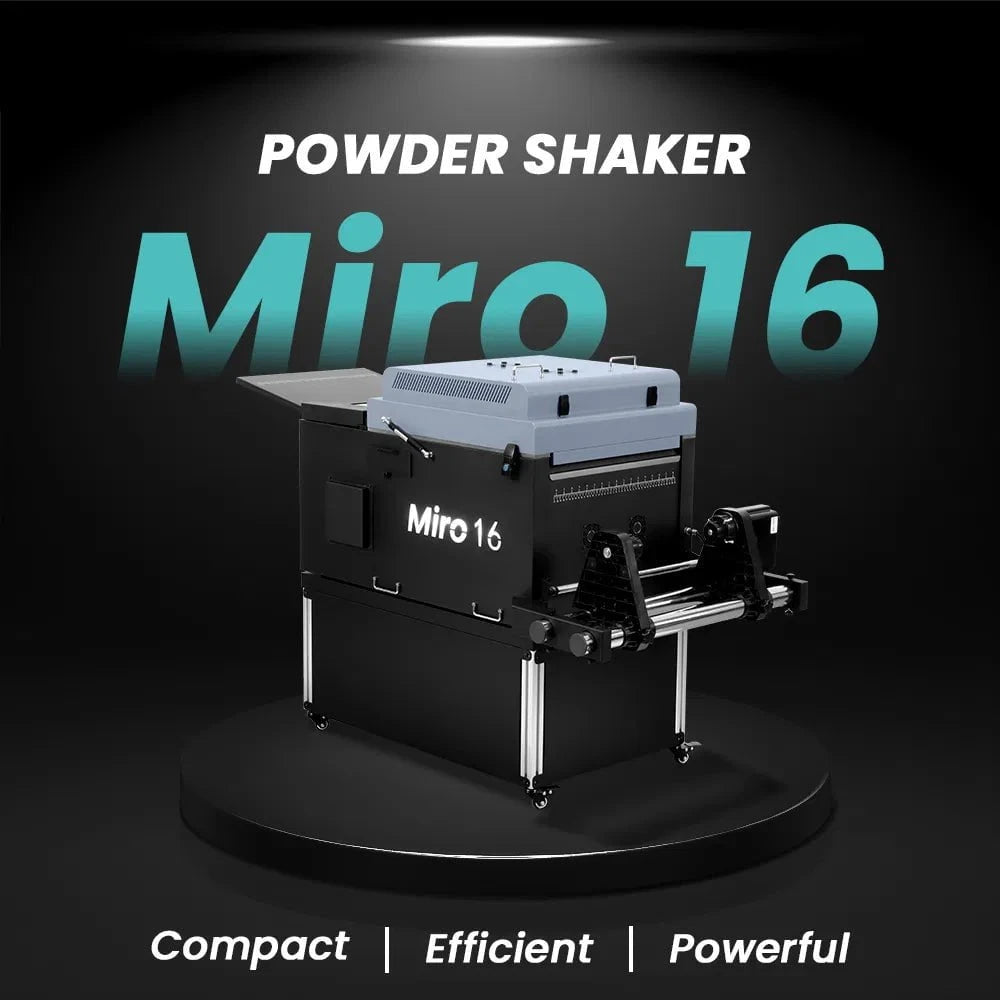
$379/month Prestige L2 18.5" DTF Printer Dual i3200 with Miro 16 Automatic Powder Applicator/Shaker oven and Built-In Oven
Sale
$379/month Prestige L2 18.5" DTF Printer Dual i3200 with Miro 16 Automatic Powder Applicator/Shaker oven and Built-In Oven
- Sale price
- $379
- Regular price
- $465
$195/Month 27" IN-STOCK Yinstar High Precision 27" Commercial Production DTF Printer with 2x i3200-A1 Epson Printheads DTF Powder Shaker.


Sale


$195/Month 27" IN-STOCK Yinstar High Precision 27" Commercial Production DTF Printer with 2x i3200-A1 Epson Printheads DTF Powder Shaker.
- Sale price
- $195
- Regular price
- $249
$247/Month 24" IN-STOCK Yinstar WI-FI DTF Printer with 2x Epson I3200 Print Heads Including DTF Powder Shaker Machine with Air Filter and Auto Powder Recycling System


Sale


$247/Month 24" IN-STOCK Yinstar WI-FI DTF Printer with 2x Epson I3200 Print Heads Including DTF Powder Shaker Machine with Air Filter and Auto Powder Recycling System
- Sale price
- $247
- Regular price
- $350
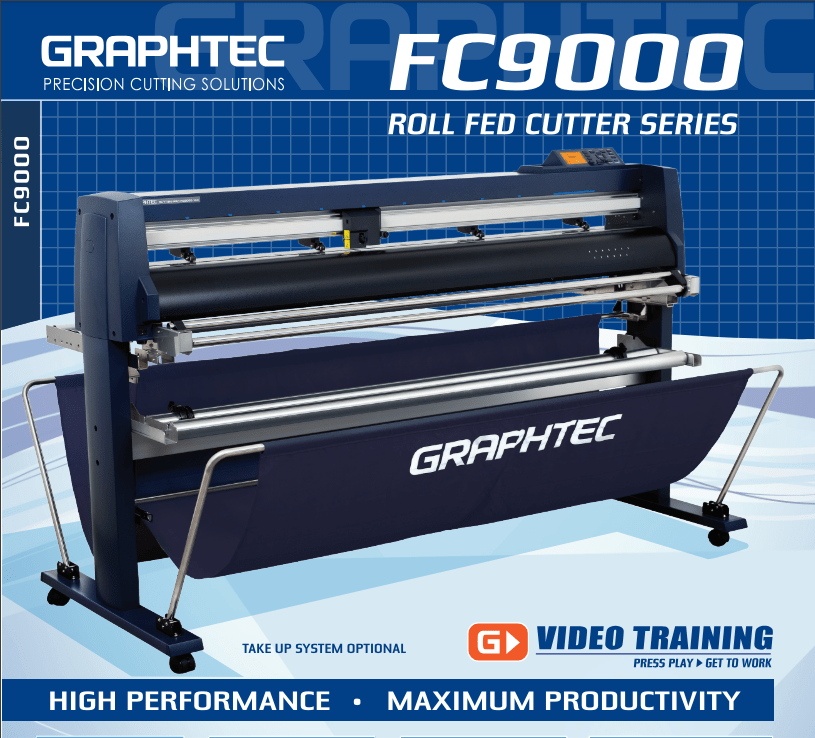
$145/MONTH DEMO 64" Graphtec FC9000-160 For Automotive Professionals with 50 ft accurate tracking of Window Tint, PPF Film & Vinyl. Roll-fed Cutting Plotter

Sale

$145/MONTH DEMO 64" Graphtec FC9000-160 For Automotive Professionals with 50 ft accurate tracking of Window Tint, PPF Film & Vinyl. Roll-fed Cutting Plotter
- Sale price
- $145
- Regular price
- $225
Yinstar A3 Multifunction UV-DTF Flatbed Printer with Epson Heads for Glass Bottles, Mugs, Phone Cases and more


Sale


Yinstar A3 Multifunction UV-DTF Flatbed Printer with Epson Heads for Glass Bottles, Mugs, Phone Cases and more
- Sale price
- $3,950
- Regular price
- $9,995
$95/month PLYTRONIX Pneumatic PRO 64” with Anti-Static System, Large Format Auto High-Speed Cold/Hot Laminator for Signs, Graphics, Banners, Prints & More


Sale


$95/month PLYTRONIX Pneumatic PRO 64” with Anti-Static System, Large Format Auto High-Speed Cold/Hot Laminator for Signs, Graphics, Banners, Prints & More
- Sale price
- $95
- Regular price
- $165
Polymeric vs. Monomeric: Upgrading Your Car Wrapping Media for Fleet Graphics

For a new sign shop, the difference between a highly profitable commercial fleet contract and a disastrous series of client comebacks usually comes down to one decision: your choice of car wrapping media.
When you first start bidding on box trucks and delivery vans, the temptation to use the cheapest vinyl roll available is high. However, if you apply economy-grade monomeric vinyl to a commercial vehicle, you are guaranteeing that the film will shrink, peel back from the edges, and fail prematurely.
To protect your shop's reputation and your profit margins, you must understand the chemistry behind the film. Upgrading your materials to a high-performance polymeric wrap film ensures your fleet graphics survive the elements while remaining highly cost-effective.
The Chemistry: Why Monomeric Vinyl Fails on Vehicles
Vinyl film begins as rigid PVC plastic. To make it flexible enough to roll and cut, manufacturers add plasticizers. The durability of the final product depends entirely on the chemical structure of those plasticizers.
Monomeric vinyl uses short-chain plasticizers. These short chains do not bind tightly to the PVC matrix. When exposed to outdoor heat, UV rays, and weather, the plasticizers evaporate out of the film. This causes the vinyl to become brittle, dry out, and actively shrink.
If you use monomeric vinyl for car wrapping, the shrinkage pulls the film back from the vehicle's seams, exposing the adhesive to dirt and causing the edges to curl and fail completely. Monomeric films are strictly for flat, short-term indoor signage—never for automotive applications.
The Solution: High-Performance Polymeric Wrap Film
Polymeric wrap film utilizes long-chain plasticizers that bond deeply within the PVC structure. This chemical stability prevents the plasticizers from migrating out of the vinyl, meaning the film retains its flexibility and dimensional stability for years, even in harsh outdoor environments.
For commercial car wrapping—specifically flat box trucks, transit vans with medium curves, and partial fleet wraps—polymeric vinyl is the absolute sweet spot. It provides the durability and weather resistance required for automotive applications without forcing you to pay the massive premium associated with ultra-thin cast vinyl (which is only strictly necessary for aggressive 3D curves like deep bumper recesses or side mirrors).

Mastering Medium Curves with German Renolit PVC
When selecting your polymeric film, the manufacturing origin of the raw PVC dictates the quality of the finish.
The 54" x 164ft RN-Poly Glossy Renolit Polymeric Wrap Vinyl is engineered specifically for commercial fleet applications. It is built using authentic German Renolit PVC technology, globally recognized for its exceptional dimensional stability and optical clarity.
This specific car wrapping vinyl offers distinct advantages for production floors:
-
2.4-Mil Thickness: Thick enough to provide substantial protection against road debris and ease of handling during installation, but thin enough to conform beautifully over the medium curves and slight rivets of commercial transit vans.
-
High-Gloss Finish: Delivers a paint-like, premium luster that makes printed corporate branding and fleet graphics pop.
-
Cost-Effective Durability: Provides years of outdoor resilience, bridging the gap between cheap calendared films and expensive cast media.
By standardizing your shop's commercial fleet workflow around high-quality German Renolit PVC, you completely eliminate the liability of shrinking edges and brittle graphics. You can confidently bid on mid-to-large-scale commercial fleet wraps, knowing your installations will last and your profit margins remain intact.
- Choosing a selection results in a full page refresh.