Menu


Trending Top Sellers
$149/Month BAi THE MIRROR Commercial Embroidery Machine - 15-Needle Custom Apparel & Structured Hat System - NEW


$149/Month BAi THE MIRROR Commercial Embroidery Machine - 15-Needle Custom Apparel & Structured Hat System - NEW
- Price
- $149
$185/Month BAi THE VISION 15-Needle Single-Head Embroidery Machine - 15.7" x 19.7" Commercial Apparel System - NEW


$185/Month BAi THE VISION 15-Needle Single-Head Embroidery Machine - 15.7" x 19.7" Commercial Apparel System - NEW
- Price
- $185
$265/Month BAi THE VISION 2 Dual-Head Commercial Embroidery Machine - Dual-Head 15-Needle Custom Apparel System - NEW


$265/Month BAi THE VISION 2 Dual-Head Commercial Embroidery Machine - Dual-Head 15-Needle Custom Apparel System - NEW
- Price
- $265
$890/month NEW - IN STOCK -Mimaki 64" Hybrid – Complete Turnkey Package | UJ330H-160 Hybrid UV-LED Printer


$890/month NEW - IN STOCK -Mimaki 64" Hybrid – Complete Turnkey Package | UJ330H-160 Hybrid UV-LED Printer
$185/Month New Mimaki DTF TxF300-75 32" High-Speed Dual Printheads DTF Printer


Sale


$185/Month New Mimaki DTF TxF300-75 32" High-Speed Dual Printheads DTF Printer
PROMO: $285/month New Mimaki DTF TxF300-75 32" DTF BUNDLE DTF PRINTER (DIRECT-TO-FILM) Dual Print Heads with Miro 36 Shaker Bundle


Sale


PROMO: $285/month New Mimaki DTF TxF300-75 32" DTF BUNDLE DTF PRINTER (DIRECT-TO-FILM) Dual Print Heads with Miro 36 Shaker Bundle
- Sale price
- $285
- Regular price
- $695
PROMO: $268/month New Mimaki DTF TxF300-75 32" DTF BUNDLE DTF PRINTER (DIRECT-TO-FILM) Dual Print Heads with Miro 24 Shaker Bundle

Sale

PROMO: $268/month New Mimaki DTF TxF300-75 32" DTF BUNDLE DTF PRINTER (DIRECT-TO-FILM) Dual Print Heads with Miro 24 Shaker Bundle
- Sale price
- $268
- Regular price
- $28,600
$495/month - 4'x8' Plytronix Flatbed Cutter TX-1325 (4.26 ft x8.2 ft ) High-Precision Digital Flatbed Cutting Machine with Automated Finishing System Utilizes Interchangeable Tool Heads


$495/month - 4'x8' Plytronix Flatbed Cutter TX-1325 (4.26 ft x8.2 ft ) High-Precision Digital Flatbed Cutting Machine with Automated Finishing System Utilizes Interchangeable Tool Heads
- Price
- $495
New Prisma Auto Clam Slider 110V 16X20" Inch DTF Heat-Press GS-105HS-Grey/Black With Auto Open Slider Feature And Pressure Sensor


Sale


New Prisma Auto Clam Slider 110V 16X20" Inch DTF Heat-Press GS-105HS-Grey/Black With Auto Open Slider Feature And Pressure Sensor
- Sale price
- $1,690
- Regular price
- $1,986
$99/month - JAGUAR 70" AUTOMOTIVE SPECIAL EDITION PPF/TINT Cutter Plotter with Anti-Static kit and Tint Velvet Film.


Sale


$99/month - JAGUAR 70" AUTOMOTIVE SPECIAL EDITION PPF/TINT Cutter Plotter with Anti-Static kit and Tint Velvet Film.
- Sale price
- $99
- Regular price
- $145
$99/Month - (FREE SHAKER) DTF x2 Epson Print Heads (110V) YINSTAR A3 13" DTF PRINTER


Sale


$99/Month - (FREE SHAKER) DTF x2 Epson Print Heads (110V) YINSTAR A3 13" DTF PRINTER
- Sale price
- $99
- Regular price
- $185
From $99/month - New Prestige R1 13" DTF Printer Bundle - Includes Prestige R1 DTF Printer, Startup Package and Compatible Machine Options -MC


From $99/month - New Prestige R1 13" DTF Printer Bundle - Includes Prestige R1 DTF Printer, Startup Package and Compatible Machine Options -MC
- Price
- From $99
From $149/month New Prestige R2 PRO 13.75" WITH CUTTER DTF Printer 110V A3+ with Bundle options -MC


From $149/month New Prestige R2 PRO 13.75" WITH CUTTER DTF Printer 110V A3+ with Bundle options -MC
- Price
- From $149
From $417/Month 9-Colour BUNDLE 24" Prestige XL2 PRO New DTF Station Printer with Automatic Powder Applicator/Shaker/Oven/Purifier -MC


From $417/Month 9-Colour BUNDLE 24" Prestige XL2 PRO New DTF Station Printer with Automatic Powder Applicator/Shaker/Oven/Purifier -MC
- Price
- From $417
From $497/month - 9 COLORS Prestige XL3 with 3 Epson i3200 DTF Printer Bundle with Auto Powder Shaker/Oven


From $497/month - 9 COLORS Prestige XL3 with 3 Epson i3200 DTF Printer Bundle with Auto Powder Shaker/Oven
- Price
- From $497
NEW JAGUAR 70" AUTOMOTIVE SPECIAL EDITION PPF/TINT Cutter Plotter with Anti-Static kit and Tint Velvet Film.
Sale
NEW JAGUAR 70" AUTOMOTIVE SPECIAL EDITION PPF/TINT Cutter Plotter with Anti-Static kit and Tint Velvet Film.
- Sale price
- $5,980
- Regular price
- $6,980
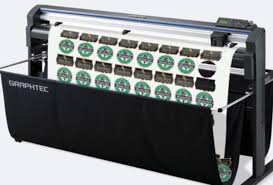
$169/MONTH NEW 64" Graphtec FC9000-160 For Automotive Professionals with 50 ft accurate tracking of Window Tint, PPF Film & Vinyl. Roll-fed Cutting Plotter

Sale

$169/MONTH NEW 64" Graphtec FC9000-160 For Automotive Professionals with 50 ft accurate tracking of Window Tint, PPF Film & Vinyl. Roll-fed Cutting Plotter
- Sale price
- $169
- Regular price
- $225
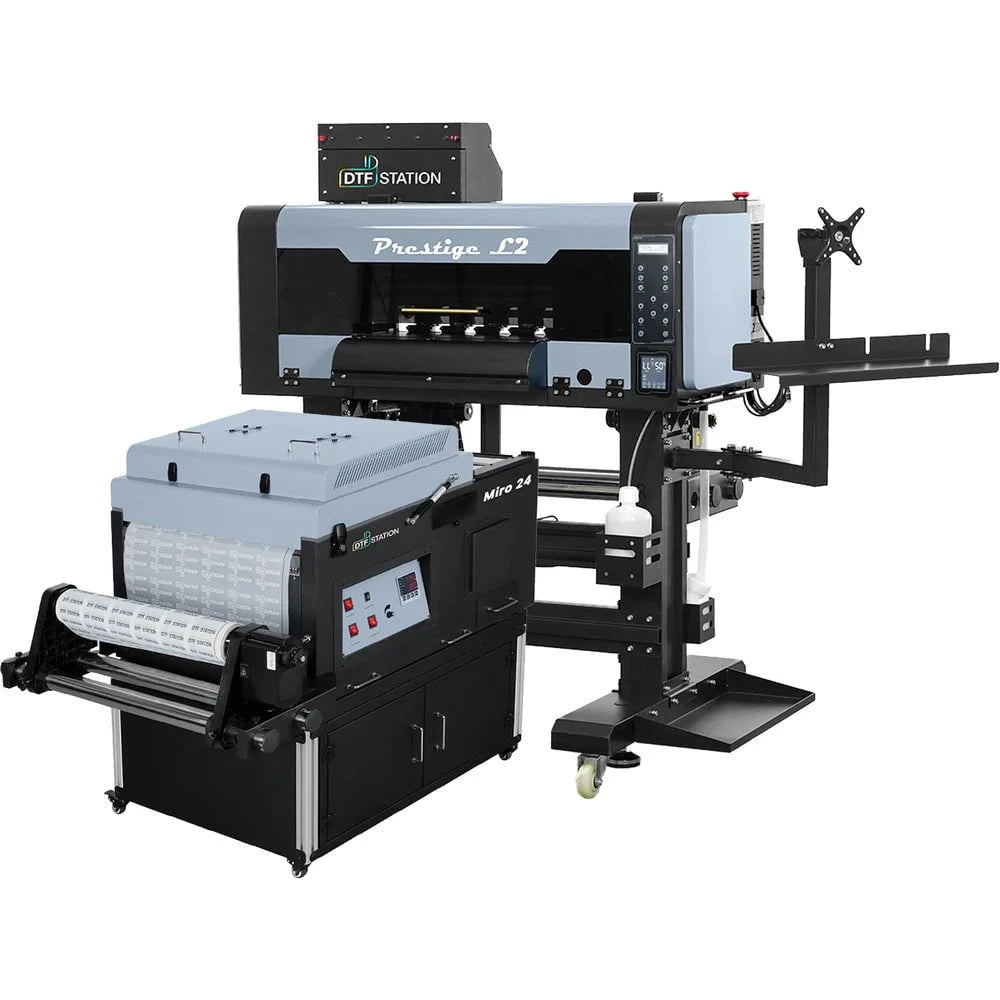
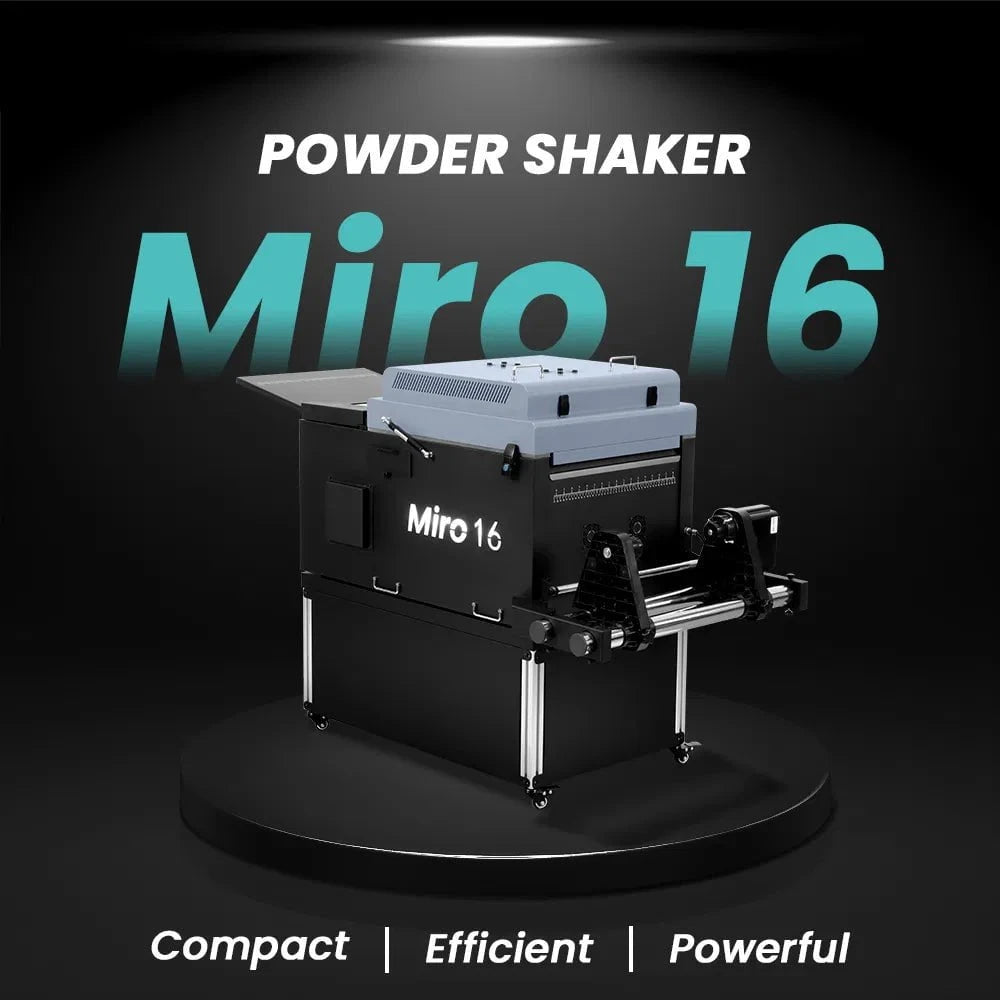
$379/month Prestige L2 18.5" DTF Printer Dual i3200 with Miro 16 Automatic Powder Applicator/Shaker oven and Built-In Oven
Sale
$379/month Prestige L2 18.5" DTF Printer Dual i3200 with Miro 16 Automatic Powder Applicator/Shaker oven and Built-In Oven
- Sale price
- $379
- Regular price
- $465
$195/Month 27" IN-STOCK Yinstar High Precision 27" Commercial Production DTF Printer with 2x i3200-A1 Epson Printheads DTF Powder Shaker.


Sale


$195/Month 27" IN-STOCK Yinstar High Precision 27" Commercial Production DTF Printer with 2x i3200-A1 Epson Printheads DTF Powder Shaker.
- Sale price
- $195
- Regular price
- $249
$247/Month 24" IN-STOCK Yinstar WI-FI DTF Printer with 2x Epson I3200 Print Heads Including DTF Powder Shaker Machine with Air Filter and Auto Powder Recycling System


Sale


$247/Month 24" IN-STOCK Yinstar WI-FI DTF Printer with 2x Epson I3200 Print Heads Including DTF Powder Shaker Machine with Air Filter and Auto Powder Recycling System
- Sale price
- $247
- Regular price
- $350
Prestige XL2 PRO vs. Roland: Why Integrated Ecosystems Define the Future of DTF Printing

As we approach the end of 2025, the Canadian printing landscape has shifted dramatically. Direct to Film (DTF) technology is no longer an emerging trend; it is the dominant standard for garment decoration. Yet, a critical division remains in the market. Business owners currently face a pivotal choice between two distinct paths: adapting legacy eco-solvent machines for DTF use or investing in purpose-built, fully integrated DTF ecosystems.
For years, Roland has been a formidable name in the sign and graphics industry. Their eco-solvent printers are legendary for durability and print quality on vinyl. However, the requirements of DTF—specifically the handling of white titanium dioxide ink and the chemical interaction between ink, powder, and film—are fundamentally different from eco-solvent printing.
This article provides a comprehensive, technical comparison between the Roland DTF options (such as the BN-20D or BY-20) and the Prestige XL2 PRO from DTF Station. We will examine why the Prestige XL2 PRO’s dedicated engineering and "A to Z" ecosystem offer a superior return on investment (ROI) for Canadian businesses compared to retrofitted solutions.

The Fundamental Divide: Purpose-Built vs. Retrofitted Technology
The core distinction between the Prestige XL2 PRO and Roland’s DTF offerings lies in their genetic engineering. Roland machines are, at their heart, eco-solvent printers that have been modified to jet water-based pigment inks. While this allows for brand familiarity, it introduces significant mechanical compromises.
DTF printing requires high-volume white ink circulation to prevent sedimentation, a problem eco-solvent printers rarely face. The Prestige XL2 PRO was engineered from the ground up specifically for this chemistry. It features a sophisticated White Ink Management System (WIMS) that actively circulates and filters white ink, preventing the clogging issues that plague converted printers.
In contrast, users of retrofitted systems often report frequent nozzle checks and manual maintenance requirements. When a machine is designed for thinner solvent inks, the heavier pigment load of DTF ink can strain the dampeners and printheads over time. The Prestige XL2 PRO eliminates this friction by using components rated specifically for the viscosity and pH of DTF inks.
Speed and Throughput Realities
In a commercial environment, speed equals revenue. The Prestige XL2 PRO utilizes dual Epson i3200 printheads (or a specific i3200/i1600 configuration depending on the exact 2025 batch). This dual-head setup allows for simultaneous laying of CMYK+RGBO colours and the White underbase without sacrificing speed.
Roland’s entry-level DTF units often rely on a single head to do both tasks, forcing the printer to slow down significantly to lay down a sufficient white opacity. The Prestige XL2 PRO consistently delivers speeds of 80–100 square feet per hour, whereas comparable Roland units often struggle to hit half that speed in high-quality modes. For a Canadian shop fulfilling rush orders, this throughput difference is not just a spec sheet detail; it is a competitive necessity.

The "A to Z" Ecosystem: Eliminating the Blame Game
One of the most frustrating aspects of the DTF industry in Canada has been the fragmentation of support. A typical setup might involve a Roland printer, third-party inks, film from a different supplier, and a shaker from yet another manufacturer.
When a problem arises—for example, if the ink pools on the film or adhesion fails after washing—the "blame game" begins. The printer manufacturer blames the media; the media supplier blames the ink; the ink vendor points to the shaker settings. The shop owner is left stranded in the middle with downtime and wasted inventory.
DTF Station is unique because it is the only major brand to offer a complete, verified ecosystem. They manufacture the printer, the Miro 24 automatic powder shaker, the air purifier, the ink, the powder, and the film.
Verified Calibration
Because DTF Station controls every variable, the DigiRIP software (powered by CADLink) comes pre-loaded with profiles that are mathematically calibrated for their specific film and ink combination. There is no guesswork. You do not need to spend weeks tweaking heater settings or ink limits. You simply load the media, select the profile, and print.
This integration extends to the hardware level. The Prestige XL2 PRO communicates seamlessly with the Miro 24 shaker, ensuring that the film feed rate matches the powder application speed perfectly. This synchronization prevents the "film buckling" or tension issues common in mismatched setups, where the printer pushes film faster than the shaker can process it.

Superior Colour Gamut: The 9-Colour Advantage
Colour accuracy is often the deciding factor for corporate clients. Standard DTF printers, including most Roland conversions, operate on a 5-colour channel system: CMYK (Cyan, Magenta, Yellow, Black) plus White. While this covers standard graphics, it often falls short on bright, neon-like corporate branding or specific Pantone matches.
The Prestige XL2 PRO distinguishes itself with a 9-colour configuration: CMYK + Red, Green, Blue, and Orange (RGBO) + White.
Why RGBO Matters
By adding physical Red, Green, Blue, and Orange inks, the printer significantly expands the colour gamut.
-
Vibrant Oranges and Greens: Standard CMYK struggles to produce intense orange or electric green hues, which often look muddy. The XL2 PRO prints these as pure primary colours.
-
Smoother Gradients: With more ink colours available, the RIP software can create smoother transitions between shades, reducing the "banding" effect seen in lower-end prints.
For a print shop, this capability allows you to say "yes" to clients with strict brand guidelines that other local competitors cannot hit. You can learn more about this machine's colour capabilities on our Prestige XL2 PRO product page.
Operational Costs and ROI: The Hidden Financials
When evaluating capital equipment, the purchase price is only the tip of the iceberg. The total cost of ownership (TCO) over two years is the real metric. Here, the difference between Roland and DTF Station becomes stark.
Roland ecosystems frequently rely on proprietary cartridges that have a high cost per millilitre. While convenient for low-volume hobbyists, these costs devour margins in a production environment. Furthermore, the slower print speeds of adapted machines mean higher labour costs per shirt, as operators spend more time waiting for jobs to finish.
DTF Station utilizes an open-bulk ink system designed for industrial economy. The ink cost per square foot is significantly lower, and because the system is designed for these specific fluids, waste is minimized.
The Cost of Downtime
The most expensive cost in any print shop is a machine that isn't printing. The Prestige XL2 PRO includes advanced automation to protect your investment:
-
Head Collision Sensors: These sensors detect obstacles on the film path and pause the carriage instantly, preventing catastrophic printhead damage.
-
Auto-Cleaning and Wet Capping: The station automatically maintains the printhead environment, ensuring that the nozzles remain moist and ready to fire even after idle periods.
These features reduce the "human error" factor. You do not need to rely on an employee remembering to manually cap the station perfectly every Friday afternoon; the machine handles it.

Unmatched Support Infrastructure in Canada
In the specialized world of DTF, generalist support is insufficient. Most printer technicians in Canada are trained on eco-solvent or toner-based machines; very few truly understand the physics of DTF powder and curing.
Absolute Toner, in partnership with DTF Station, provides a support infrastructure that is unmatched in the Canadian market. This is not a third-party call centre reading from a script. We offer:
-
Unlimited Lifetime Technical Support: This includes phone, chat, and remote desktop assistance.
-
Certified Technicians: Our team specializes in colour profiling, RIP setup, and mechanical troubleshooting specific to the Prestige line.
If you encounter an issue with a Roland DTF setup, you may find yourself bounced between the dealer and the manufacturer, with neither taking full ownership of the unique DTF variables. With DTF Station, the buck stops with us. Whether it is a software question or a hardware adjustment, you have a single point of contact dedicated to your continuity of operations.
Software Intelligence: DigiRIP vs. VersaWorks
Hardware is only as good as the software driving it. Roland machines typically use VersaWorks. While VersaWorks is excellent for vinyl cutting and standard printing, it was not originally built for the complex underbase management required by DTF.
The Prestige XL2 PRO ships with DigiRIP, a powerful RIP engine developed specifically for this application.
-
Smart Data Variable Data: Easily handle jersey numbers and names without manual file setup.
-
Knock-Out Black/Colour: The software can automatically remove the black background from a design if you are printing on a black shirt, using the shirt's fabric as the black colour. This saves immense amounts of ink and creates a softer feel (hand) on the garment.
-
Super Size Image: AI-driven upscaling algorithms help improve the quality of low-resolution client files, a common headache for print shops.
This software integration is a key part of the "A to Z" philosophy. The profiles are locked in, meaning the RIP knows exactly how the Miro 24 shaker will cure the ink, ensuring the final wash-fastness is commercial grade.

Making the Strategic Choice
As we look toward 2026, the market does not reward compromise. While Roland remains a high-quality manufacturer for signage, the Prestige XL2 PRO has established itself as the superior choice for dedicated garment decoration.
The combination of a 9-colour gamut, industrial print speeds, and a unified manufacturing ecosystem eliminates the risks associated with retrofitted technology. For Canadian business owners, the value proposition is clear: DTF Station offers lower operating costs, higher print quality, and the security of lifetime specialized support.
We invite you to visit Absolute Toner to see these differences firsthand. Do not leave your business's productivity to chance or incompatible supplies. Experience the stability of a fully integrated solution.
Would you like to schedule a virtual demo or receive a custom sample kit printed on the Prestige XL2 PRO to compare against your current setup?

- Choosing a selection results in a full page refresh.