Menu

Trending Top Sellers
HP DeskJet 4132e All-in-One Printer Includes Six Months of FREE Ink Through HP Ink Replacement Program and HP 1 Year Extended Warranty


Sale


HP DeskJet 4132e All-in-One Printer Includes Six Months of FREE Ink Through HP Ink Replacement Program and HP 1 Year Extended Warranty
- Sale price
- $75
- Regular price
- $149
New Prestige R2 PRO 13" Media Roll DTF Printer 110V A3 (Dual Epson i1600 Print Heads) - Includes Prestige R2 Pro DTF Printer, Startup Package and Accessories


Sale


New Prestige R2 PRO 13" Media Roll DTF Printer 110V A3 (Dual Epson i1600 Print Heads) - Includes Prestige R2 Pro DTF Printer, Startup Package and Accessories
- Price
- From $198
New Prisma Auto Clam Slider 110V 16X20" Inch DTF Heat-Press GS-105HS-Grey/Black With Auto Open Slider Feature And Pressure Sensor


Sale


New Prisma Auto Clam Slider 110V 16X20" Inch DTF Heat-Press GS-105HS-Grey/Black With Auto Open Slider Feature And Pressure Sensor
- Sale price
- $1,398
- Regular price
- $1,499
Cap Heat Press (PROMO: Including 5 Cap Press Lower Platen) Curved For Baseball Hats and Caps DTF Station Galaxy GS-501


Sale


Cap Heat Press (PROMO: Including 5 Cap Press Lower Platen) Curved For Baseball Hats and Caps DTF Station Galaxy GS-501
- Sale price
- $695
- Regular price
- $895
New Prestige R2 13" DTF Printer Bundle - Includes Prestige R2 DTF Printer, Startup Package and Accessories

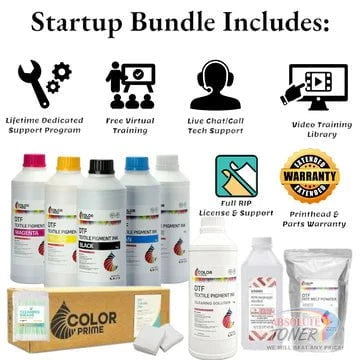

New Prestige R2 13" DTF Printer Bundle - Includes Prestige R2 DTF Printer, Startup Package and Accessories
- Price
- From $167
New Prestige R1 13" DTF Printer Bundle - Includes Prestige R1 DTF Printer, Startup Package and Compatible Machine Options


Sale


New Prestige R1 13" DTF Printer Bundle - Includes Prestige R1 DTF Printer, Startup Package and Compatible Machine Options
- Price
- From $116
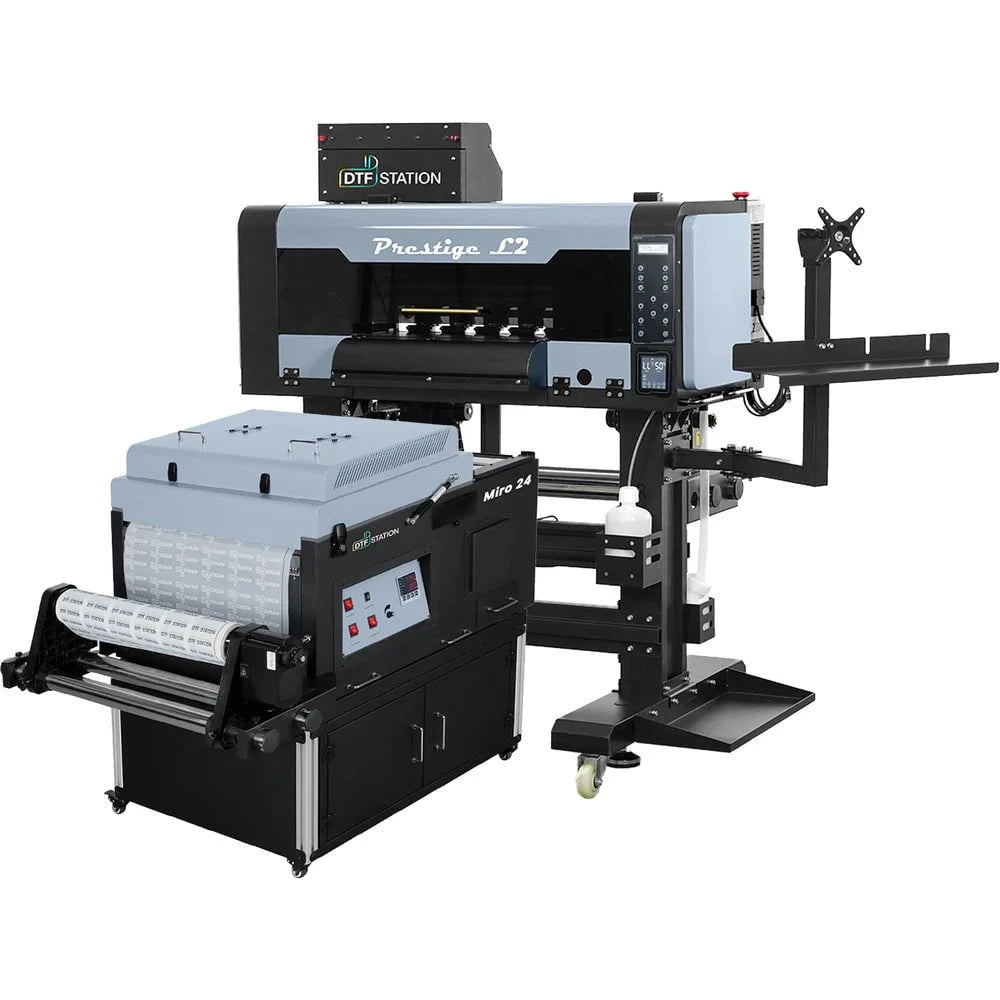
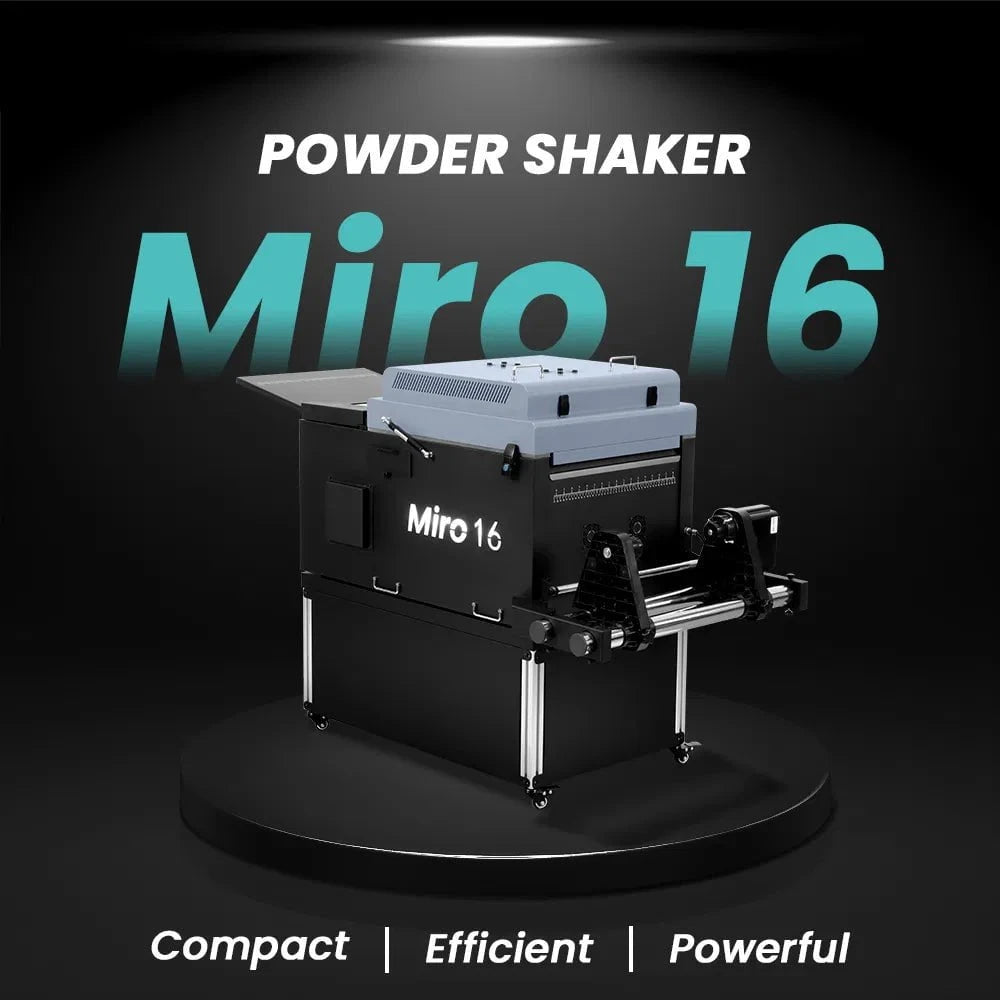
$323/month Prestige L2 18.5" DTF Printer Dual i3200 with Miro 16 Automatic Powder Applicator/Shaker oven and Built-In Oven
Sale
$323/month Prestige L2 18.5" DTF Printer Dual i3200 with Miro 16 Automatic Powder Applicator/Shaker oven and Built-In Oven
- Sale price
- $323
- Regular price
- $483
Prestige XL2 24" DTF Printer with optional Bundle Accessories (Shaker/Oven/Purifier)


Sale


Prestige XL2 24" DTF Printer with optional Bundle Accessories (Shaker/Oven/Purifier)
- Price
- From $342
$398/Month 9-Colour BUNDLE 24" Prestige XL2 PRO New DTF Station Printer with MIRO 24 Automatic Powder Applicator/Shaker/Oven/Purifier


Sale


$398/Month 9-Colour BUNDLE 24" Prestige XL2 PRO New DTF Station Printer with MIRO 24 Automatic Powder Applicator/Shaker/Oven/Purifier
- Sale price
- $398
- Regular price
- $520
$195/month BRAND NEW DTF Station Aries 213 UV DTF with i3200HD Printer 2-in-1 Printing and Laminating With Exceptional Colour Accuracy


Sale


$195/month BRAND NEW DTF Station Aries 213 UV DTF with i3200HD Printer 2-in-1 Printing and Laminating With Exceptional Colour Accuracy
- Sale price
- $195
- Regular price
- $250
$449/month - Aries 124 – 24" (60cm) Commercial UV DTF Printer with Automatic Lamination


Sale


$449/month - Aries 124 – 24" (60cm) Commercial UV DTF Printer with Automatic Lamination
- Sale price
- $28,880
- Regular price
- $39,995
$91/mo. Auto-Feed and Cut 16pt. 13x19 (400GSM) - Business Cards, Door Hangers, Labels, Decals, Gift Boxes, Thermal Transfer and more...


Sale


$91/mo. Auto-Feed and Cut 16pt. 13x19 (400GSM) - Business Cards, Door Hangers, Labels, Decals, Gift Boxes, Thermal Transfer and more...
- Sale price
- $91
- Regular price
- $117
$174/Month 4ftx8ft IN-STOCK Plytronix Pneumatic Flatbed Laminator Applicator Smart Mounting Table with LED Mounting and Laminating


Sale


$174/Month 4ftx8ft IN-STOCK Plytronix Pneumatic Flatbed Laminator Applicator Smart Mounting Table with LED Mounting and Laminating
- Sale price
- $174
- Regular price
- $299
$195/Month 5ftx11ft IN-STOCK Plytronix Pneumatic Flatbed Laminator Applicator Smart Mounting Table with LED Mounting and Laminating

Sale

$195/Month 5ftx11ft IN-STOCK Plytronix Pneumatic Flatbed Laminator Applicator Smart Mounting Table with LED Mounting and Laminating
- Sale price
- $195
- Regular price
- $265
$125/month JAGUAR 70" AUTOMOTIVE SPECIAL EDITION PPF/TINT Cutter Plotter with Anti-Static kit and Tint Velvet Film.


Sale


$125/month JAGUAR 70" AUTOMOTIVE SPECIAL EDITION PPF/TINT Cutter Plotter with Anti-Static kit and Tint Velvet Film.
- Sale price
- $125
- Regular price
- $179
$94/month 50" JAGUAR AUTOMOTIVE SPECIAL EDITION TINT/PPF V-LX J5-101LX-SE Cutter Plotter with Anti-Static kit and Tint Velvet Film.

Sale

$94/month 50" JAGUAR AUTOMOTIVE SPECIAL EDITION TINT/PPF V-LX J5-101LX-SE Cutter Plotter with Anti-Static kit and Tint Velvet Film.
- Sale price
- $94
- Regular price
- $145
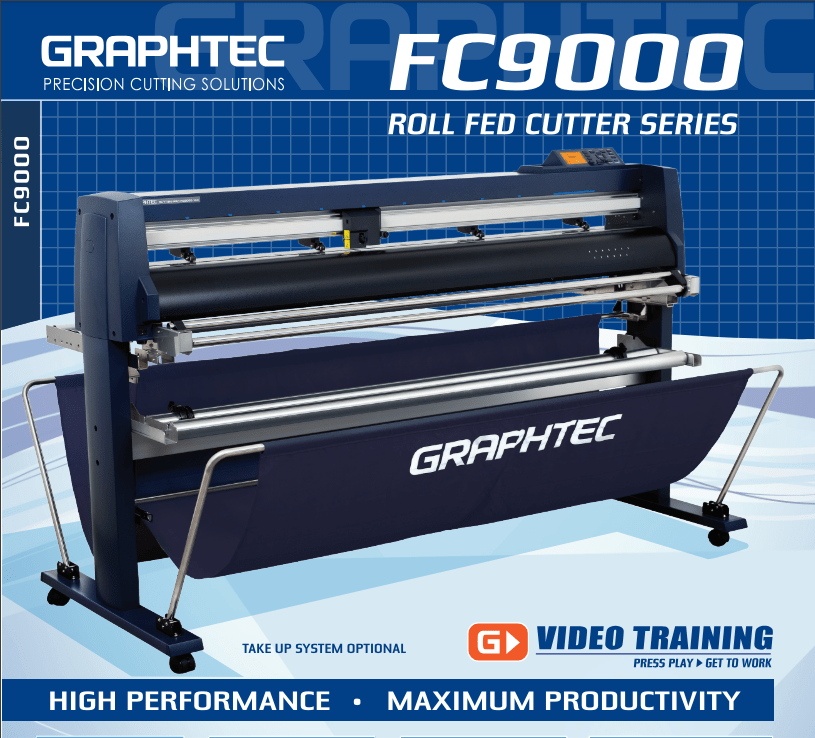
42'' Graphtec FC9000-100 For the Automotive Professionals with 50 ft accurate tracking of Window Tint Film & Vinyl, Roll-fed Cutting Plotter
Sale
42'' Graphtec FC9000-100 For the Automotive Professionals with 50 ft accurate tracking of Window Tint Film & Vinyl, Roll-fed Cutting Plotter
- Sale price
- $129
- Regular price
- $169
$189/MONTH NEW 64" Graphtec FC9000-160 For Automotive Professionals with 50 ft accurate tracking of Window Tint, PPF Film & Vinyl. Roll-fed Cutting Plotter

Sale

$189/MONTH NEW 64" Graphtec FC9000-160 For Automotive Professionals with 50 ft accurate tracking of Window Tint, PPF Film & Vinyl. Roll-fed Cutting Plotter
- Sale price
- $189
- Regular price
- $249
$134/month Graphtec AKZ Engineered for TINT/PPF with Stand, Media Basket and PPF Anti-electrostatic Kit.
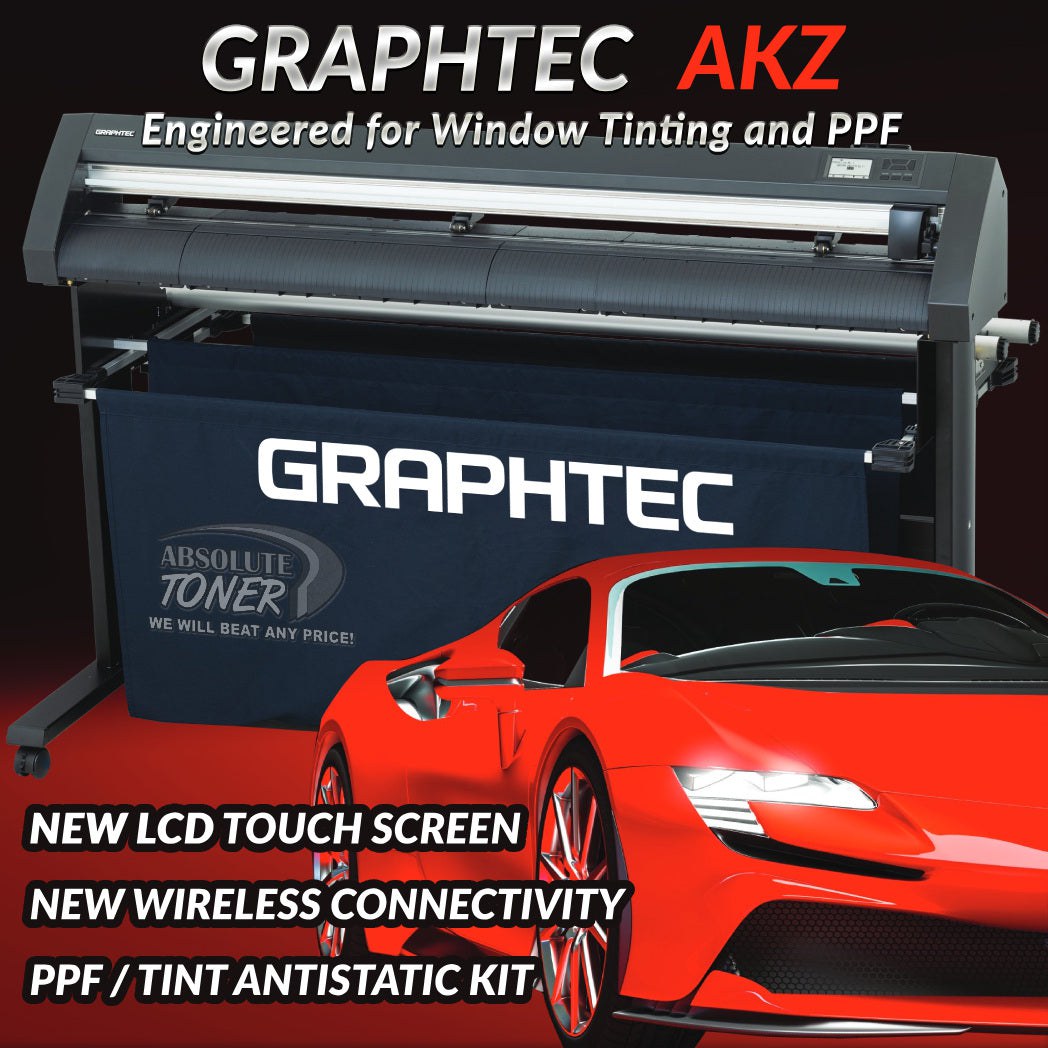
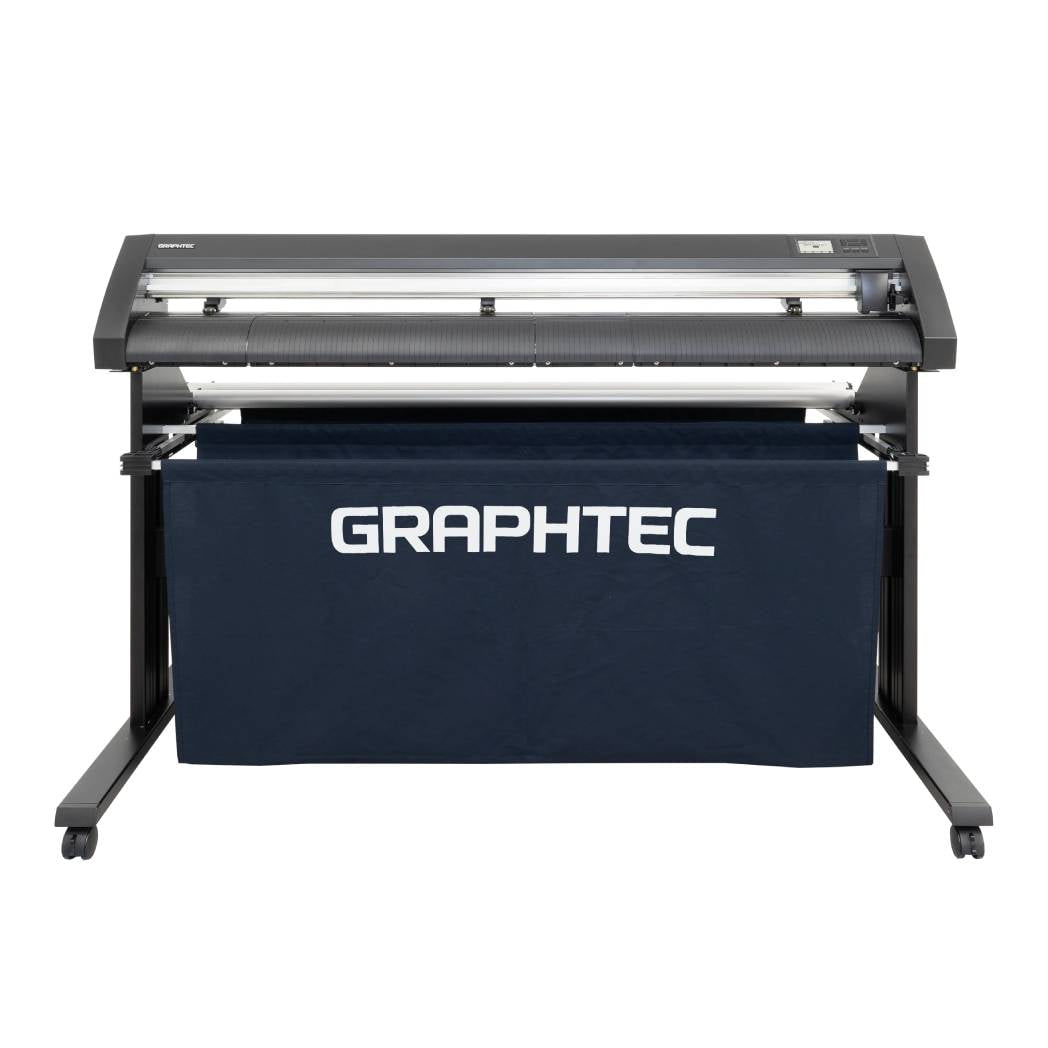
$134/month Graphtec AKZ Engineered for TINT/PPF with Stand, Media Basket and PPF Anti-electrostatic Kit.
- Sale price
- $134
- Regular price
- $159
$115/month PLYTRONIX Pneumatic PRO 64” with Anti-Static System, Large Format Auto High-Speed Cold/Hot Laminator for Signs, Graphics, Banners, Prints & More


$115/month PLYTRONIX Pneumatic PRO 64” with Anti-Static System, Large Format Auto High-Speed Cold/Hot Laminator for Signs, Graphics, Banners, Prints & More
- Sale price
- $115
- Regular price
- $195
Ultimate Guide to Choosing the Best T-shirt Printer in 2024

Comprehensive Guide to Selecting the Ideal T-Shirt Printer in 2024
In the dynamic world of clothing printing, the DTF (Direct to Film) printer has emerged as a game-changer. As we step into 2024, selecting the best T-shirt printer becomes even more crucial for businesses looking to thrive in this competitive market. This guide will help you navigate the intricacies of choosing the right DTF printer to elevate your printing business.
What is a DTF Printer?
A DTF printer is a type of digital clothing printing machine. It prints designs directly onto PET film, which is then transferred onto fabric using heat press. This method has gained immense popularity due to its efficiency, durability, and versatility. The process involves printing the design on the film, applying a hot melt powder, and then heat pressing the design onto the fabric.
Reasons to Choose a DTF Printer
Advantages of DTF Printers
Efficiency: Unlike DTG (Direct to Garment) printing, DTF printing eliminates the need for pre-treatment. It’s faster than screen printing as it doesn’t require plate making. You simply design, print, dust, dry, and press.
Durability: DTF prints are highly durable, with excellent water and rub resistance. They maintain color vibrancy even after multiple washes.
Versatility: DTF printers can print on a wide range of fabrics, including cotton, polyester, nylon, and more. They are ideal for various applications, from T-shirts to hats and bags.
Eco-Friendliness: DTF printing produces less waste compared to traditional methods. It doesn’t generate wastewater, and modern DTF printers include smokeless purifiers to handle any emissions.
DTF Printer: What’s New in 2024?
Eco-Friendly Developments
In 2024, DTF printers are becoming more eco-friendly with advancements like improved powder shakers that integrate smoke purifiers.
Larger Width Printing Capabilities
New large-format DTF printers can handle wider prints, catering to demands for larger designs and fabrics.
Space-Saving Designs
Innovations such as powderless DTF printers are emerging, saving space and reducing maintenance requirements.
Special Visual Effects
DTF film innovations are bringing new visual effects like metallic finishes and temperature-sensitive prints.
Diverse Designs
Expect more diversity in the appearance and functionality of DTF printers, making them adaptable to various business needs.
Factors to Consider When Choosing a DTF Printer
Market Positioning & Printing Requirements
Understand your market and customer needs. Determine the volume and types of prints you’ll be handling.
DTF Printer Configurations & Applications
Different printers offer varying features and configurations. Choose one that aligns with your business scale and printing needs.
DTF Printing Supplies
High-quality supplies like ink, powder, and PET film are crucial for optimal performance and print quality.
Printing Speed & Quality
Consider the printer’s speed and the quality of prints it can produce. Balance efficiency with the level of detail and vibrancy required.
DTF Printer Price
Prices vary widely. Higher-end models offer more features but ensure they align with your needs and budget.
Cost of DTF Printing
Factor in the ongoing costs of supplies and maintenance. High-quality consumables might be costlier but prevent long-term issues.
Training, Service, and Support
Ensure the manufacturer provides robust after-sales support, training, and resources to help you maximize your printer’s potential.
Understanding the Market and Business Needs
Assess your market demand and order volumes. Understand seasonal variations and special printing needs. Consider if you have space for larger printers or if a compact model is more suitable.
Key Components of a DTF Printer
Printheads
The printhead is crucial for quality and performance. Most DTF printers use Epson printheads like the XP600 or I3200-A1, known for their precision and durability.
Mainboard
The mainboard coordinates all components for smooth operation. Reliable brands include Hoson, Beijing, and Senyang board cards.
Importance of RIP Software
Definition and Role
RIP (Raster Image Processor) software processes digital images into a dot matrix format for printing. It ensures accurate color reproduction and print quality.
Popular RIP Software Options
Common RIP software includes Maintop, Photoprint, CADlink, and Printfactory. Choose one that suits your printer and workflow needs.
The Impact of DTF Printing Supplies
Importance of High-Quality Supplies
Using premium supplies ensures better print quality and prolongs printer life. High-purity ink prevents clogging, and quality powder enhances durability.
DTF Ink
DTF ink is water-based, offering resistance to light and moisture. High-purity ink ensures vibrant colors and reduces clogging risks.
DTF Powder
High-quality TPU hot melt powder improves adhesion and durability of prints. It’s crucial for achieving clear, vibrant designs.
PET Film & Transfer Paper
Choose films with strong ink absorption and smooth transfer properties. Innovations in film technology now offer special effects like metallic finishes.
Printing Quality Factors
Match consumables with fabric types to ensure optimal print results. High-quality supplies and proper printer settings are key to achieving the best prints.
Cost Considerations
DTF Printer Price Range
DTF printer prices vary based on features and capabilities. Higher-end models offer advanced functions but come at a premium.
Cost of Printing Supplies
Calculate ongoing costs for ink, powder, and film. High-quality supplies may cost more but ensure better results and fewer issues.
Training and Support
Robust after-sales support is essential. Look for suppliers that offer comprehensive training, troubleshooting guides, and technical support.
Best Practices for Selecting DTF Printers for Different Business Scenarios
Small Business or Startup
For small businesses, A3-sized DTF printers are ideal. They offer high-quality prints without the need for large space or high investment.
Small to Medium Business
For growing businesses, larger format printers with advanced features like automated powder shakers provide a balance of quality and efficiency.
Large Volume Printing
Industrial-grade DTF printers with multiple printheads and large print widths are suitable for large-scale operations, offering high-speed and consistent output.
Choosing The Right DTF Printer
Choosing the right DTF printer involves understanding your business needs, market demand, and the latest advancements in printing technology. By considering factors like printer configuration, quality of supplies, and after-sales support, you can select a DTF printer that enhances your printing business and meets customer expectations.
FAQs
What is a DTF printer? A DTF (Direct to Film) printer prints designs onto PET film, which are then transferred to fabric using heat press.
What are the advantages of DTF printing over other methods? DTF printing is efficient, durable, versatile, and eco-friendly, making it ideal for various fabric printing needs.
How much does a DTF printer cost? DTF printer prices vary widely based on features, ranging from affordable models for small businesses to high-end options for large-scale operations.
What should I consider when buying a DTF printer? Consider your printing needs, budget, quality of supplies, and available support and training from the manufacturer.
Where can I find reliable DTF printer suppliers? Research reputable suppliers online, read reviews, and consider recommendations from industry professionals to find reliable DTF printer suppliers.
- Choosing a selection results in a full page refresh.