Menu


Trending Top Sellers
$135/Month BAi THE MIRROR Commercial Embroidery Machine - 15-Needle Custom Apparel & Structured Hat System - NEW


$135/Month BAi THE MIRROR Commercial Embroidery Machine - 15-Needle Custom Apparel & Structured Hat System - NEW
- Price
- $135
$175/Month BAi THE VISION 15-Needle Single-Head Embroidery Machine - 15.7" x 19.7" Commercial Apparel System - NEW


$175/Month BAi THE VISION 15-Needle Single-Head Embroidery Machine - 15.7" x 19.7" Commercial Apparel System - NEW
- Price
- $175
$219/Month BAi THE VISION 2 Dual-Head Commercial Embroidery Machine - Dual-Head 15-Needle Custom Apparel System - NEW


$219/Month BAi THE VISION 2 Dual-Head Commercial Embroidery Machine - Dual-Head 15-Needle Custom Apparel System - NEW
- Price
- $219
$890/month NEW - IN STOCK -Mimaki 64" Hybrid – Complete Turnkey Package | UJ330H-160 Hybrid UV-LED Printer


$890/month NEW - IN STOCK -Mimaki 64" Hybrid – Complete Turnkey Package | UJ330H-160 Hybrid UV-LED Printer
$185/Month New Mimaki DTF TxF300-75 32" High-Speed Dual Printheads DTF Printer


Sale


$185/Month New Mimaki DTF TxF300-75 32" High-Speed Dual Printheads DTF Printer
PROMO: $285/month New Mimaki DTF TxF300-75 32" DTF BUNDLE DTF PRINTER (DIRECT-TO-FILM) Dual Print Heads with Miro 36 Shaker Bundle


Sale


PROMO: $285/month New Mimaki DTF TxF300-75 32" DTF BUNDLE DTF PRINTER (DIRECT-TO-FILM) Dual Print Heads with Miro 36 Shaker Bundle
- Sale price
- $285
- Regular price
- $695
PROMO: $268/month New Mimaki DTF TxF300-75 32" DTF BUNDLE DTF PRINTER (DIRECT-TO-FILM) Dual Print Heads with Miro 24 Shaker Bundle

Sale

PROMO: $268/month New Mimaki DTF TxF300-75 32" DTF BUNDLE DTF PRINTER (DIRECT-TO-FILM) Dual Print Heads with Miro 24 Shaker Bundle
- Sale price
- $268
- Regular price
- $28,600
$495/month - 4'x8' Plytronix Flatbed Cutter TX-1325 (4.26 ft x8.2 ft ) High-Precision Digital Flatbed Cutting Machine with Automated Finishing System Utilizes Interchangeable Tool Heads


$495/month - 4'x8' Plytronix Flatbed Cutter TX-1325 (4.26 ft x8.2 ft ) High-Precision Digital Flatbed Cutting Machine with Automated Finishing System Utilizes Interchangeable Tool Heads
- Price
- $495
New Prisma Auto Clam Slider 110V 16X20" Inch DTF Heat-Press GS-105HS-Grey/Black With Auto Open Slider Feature And Pressure Sensor


Sale


New Prisma Auto Clam Slider 110V 16X20" Inch DTF Heat-Press GS-105HS-Grey/Black With Auto Open Slider Feature And Pressure Sensor
- Sale price
- $1,690
- Regular price
- $1,986
$99/month - JAGUAR 70" AUTOMOTIVE SPECIAL EDITION PPF/TINT Cutter Plotter with Anti-Static kit and Tint Velvet Film.


Sale


$99/month - JAGUAR 70" AUTOMOTIVE SPECIAL EDITION PPF/TINT Cutter Plotter with Anti-Static kit and Tint Velvet Film.
- Sale price
- $99
- Regular price
- $145
$99/Month - (FREE SHAKER) DTF x2 Epson Print Heads (110V) YINSTAR A3 13" DTF PRINTER


Sale


$99/Month - (FREE SHAKER) DTF x2 Epson Print Heads (110V) YINSTAR A3 13" DTF PRINTER
- Sale price
- $99
- Regular price
- $185
From $99/month - New Prestige R1 13" DTF Printer Bundle - Includes Prestige R1 DTF Printer, Startup Package and Compatible Machine Options -MC


From $99/month - New Prestige R1 13" DTF Printer Bundle - Includes Prestige R1 DTF Printer, Startup Package and Compatible Machine Options -MC
- Price
- From $99
From $149/month New Prestige R2 PRO 13.75" WITH CUTTER DTF Printer 110V A3+ with Bundle options -MC


From $149/month New Prestige R2 PRO 13.75" WITH CUTTER DTF Printer 110V A3+ with Bundle options -MC
- Price
- From $149
From $417/Month 9-Colour BUNDLE 24" Prestige XL2 PRO New DTF Station Printer with Automatic Powder Applicator/Shaker/Oven/Purifier -MC


From $417/Month 9-Colour BUNDLE 24" Prestige XL2 PRO New DTF Station Printer with Automatic Powder Applicator/Shaker/Oven/Purifier -MC
- Price
- From $417
From $497/month - 9 COLORS Prestige XL3 with 3 Epson i3200 DTF Printer Bundle with Auto Powder Shaker/Oven


From $497/month - 9 COLORS Prestige XL3 with 3 Epson i3200 DTF Printer Bundle with Auto Powder Shaker/Oven
- Price
- From $497
NEW JAGUAR 70" AUTOMOTIVE SPECIAL EDITION PPF/TINT Cutter Plotter with Anti-Static kit and Tint Velvet Film.
Sale
NEW JAGUAR 70" AUTOMOTIVE SPECIAL EDITION PPF/TINT Cutter Plotter with Anti-Static kit and Tint Velvet Film.
- Sale price
- $5,980
- Regular price
- $6,980
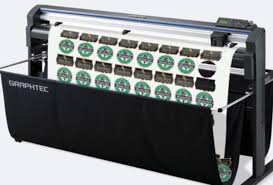
$169/MONTH NEW 64" Graphtec FC9000-160 For Automotive Professionals with 50 ft accurate tracking of Window Tint, PPF Film & Vinyl. Roll-fed Cutting Plotter

Sale

$169/MONTH NEW 64" Graphtec FC9000-160 For Automotive Professionals with 50 ft accurate tracking of Window Tint, PPF Film & Vinyl. Roll-fed Cutting Plotter
- Sale price
- $169
- Regular price
- $225
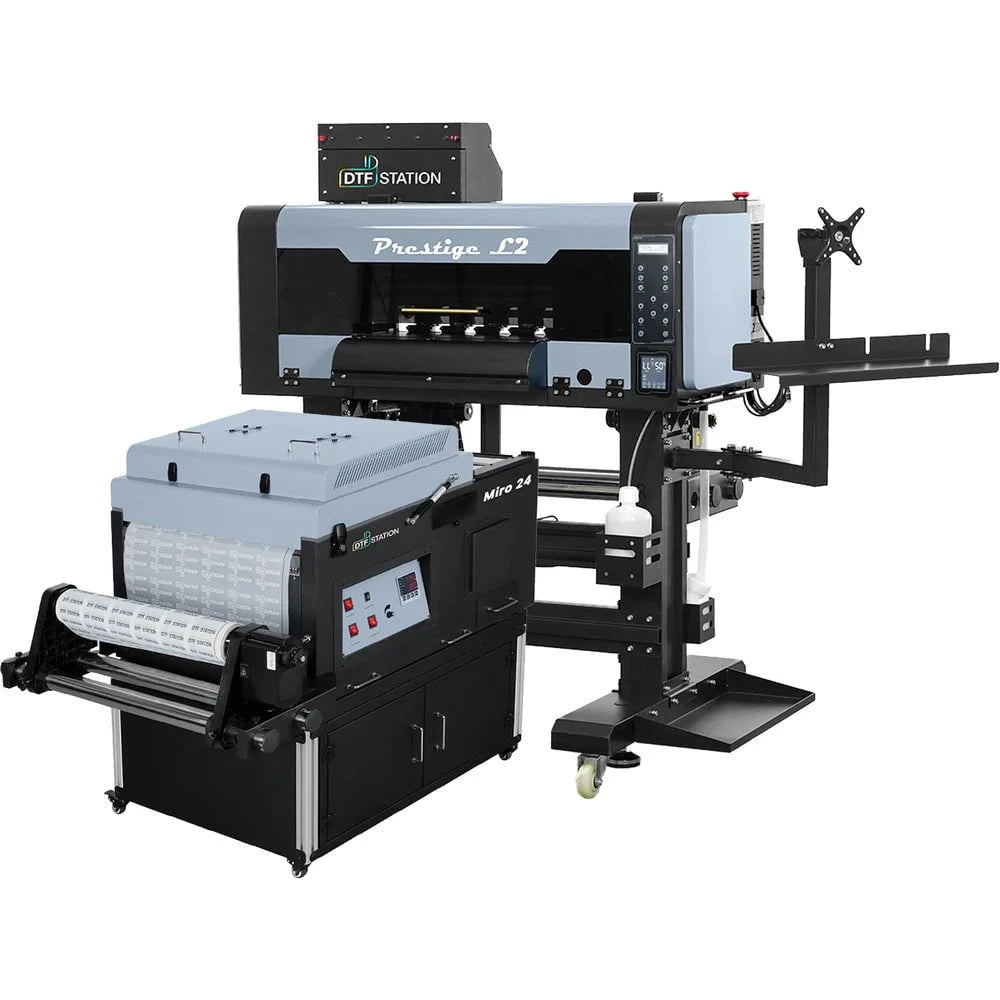
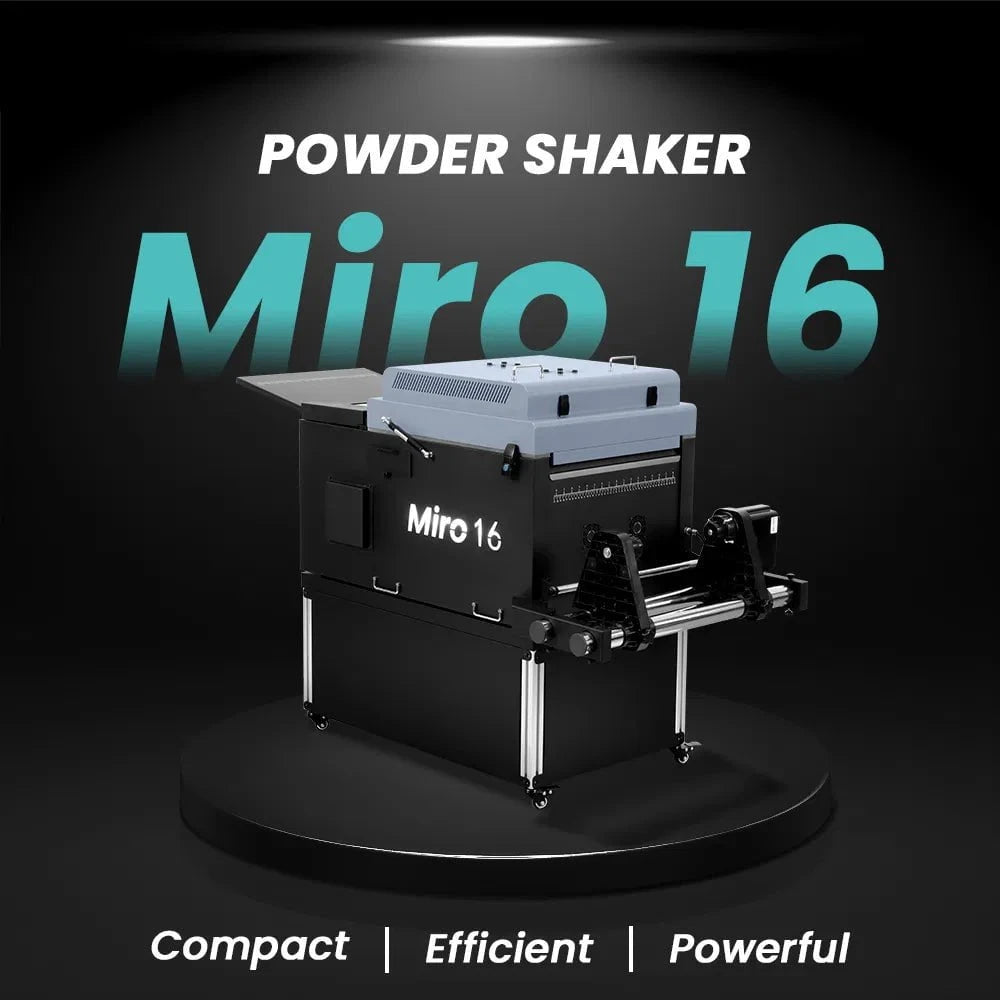
$379/month Prestige L2 18.5" DTF Printer Dual i3200 with Miro 16 Automatic Powder Applicator/Shaker oven and Built-In Oven
Sale
$379/month Prestige L2 18.5" DTF Printer Dual i3200 with Miro 16 Automatic Powder Applicator/Shaker oven and Built-In Oven
- Sale price
- $379
- Regular price
- $465
$195/Month 27" IN-STOCK Yinstar High Precision 27" Commercial Production DTF Printer with 2x i3200-A1 Epson Printheads DTF Powder Shaker.


Sale


$195/Month 27" IN-STOCK Yinstar High Precision 27" Commercial Production DTF Printer with 2x i3200-A1 Epson Printheads DTF Powder Shaker.
- Sale price
- $195
- Regular price
- $249
$247/Month 24" IN-STOCK Yinstar WI-FI DTF Printer with 2x Epson I3200 Print Heads Including DTF Powder Shaker Machine with Air Filter and Auto Powder Recycling System


Sale


$247/Month 24" IN-STOCK Yinstar WI-FI DTF Printer with 2x Epson I3200 Print Heads Including DTF Powder Shaker Machine with Air Filter and Auto Powder Recycling System
- Sale price
- $247
- Regular price
- $350
Understanding Eco-Solvent, Solvent, and UV Printing: Which is Best for You?

Introduction
In the world of professional printing, eco-solvent, solvent, and UV printing technologies are often discussed, but what exactly do they mean? How do they compare, and which one is the best fit for your business? Whether you're printing on vinyl, fabric, or rigid materials, selecting the right printer can impact both the quality of your work and your operational efficiency.
This blog will break down the key differences between these printing technologies, highlight their strengths and weaknesses, and help you make an informed decision based on your specific printing needs.
What is Eco-Solvent Printing?
Eco-solvent printing is a popular and environmentally friendly alternative to traditional solvent printing. The main difference lies in the type of ink used: eco-solvent inks are low in volatile organic compounds (VOCs), making them less harmful to both the environment and the operators.
Key Features:
- Environmentally friendly with reduced chemical emissions
- Vibrant, durable prints ideal for both indoor and outdoor use
- No special ventilation required compared to solvent printing
- Quick-drying ink that adheres well to various materials such as vinyl, canvas, and adhesive-backed media
Best For:
Eco-solvent printing is perfect for businesses looking for an affordable, versatile solution for printing posters, banners, vehicle wraps, and window graphics. Its environmentally conscious nature makes it ideal for companies seeking to align with green initiatives.
Recommended Eco-Solvent Printers:
- Mimaki CJV300 Series: Known for its high-quality print and cut capabilities, this printer is perfect for eco-solvent printing on a variety of media.
- Roland VersaCAMM VSi Series: This printer offers a robust solution for both eco-solvent printing and cutting.
What is Solvent Printing?
Solvent printing uses solvent-based inks that are highly effective in creating waterproof and durable prints, ideal for both outdoor and high-durability applications. The inks are chemically reactive and offer superior vibrancy, making them great for large format printing.
Key Features:
- Durable, long-lasting prints that are resistant to water, abrasion, and UV light
- Rich, deep colors with higher vibrancy than eco-solvent inks
- Ideal for outdoor advertising and high-traffic areas
- Requires special ventilation due to the higher VOC levels in the inks
Best For:
Solvent printing is best suited for businesses that need weather-resistant, outdoor-ready prints. It's widely used in billboards, vehicle graphics, and banners that will be exposed to harsh conditions and need to withstand the test of time.
Recommended Solvent Printers:
- Mimaki JV300 Series: Offers high-speed and high-quality solvent printing, ideal for large format applications.
- HP Latex Printers: Known for eco-friendly solvent printing with vibrant results, great for long-term outdoor applications.
What is UV Printing?
UV printing uses ultraviolet light to cure the ink onto the material's surface, resulting in instant drying and immediate handling. This process allows for a wide range of applications and materials, including rigid surfaces, flexible media, and unconventional materials like wood, metal, and plastic.
Key Features:
- Instant drying with UV light, which allows for faster production times
- Versatility to print on a wide variety of substrates, both rigid and flexible
- Durable prints that are highly resistant to scratches, fading, and water damage
- No harmful solvents used, making it a cleaner, eco-friendly process
- High-quality, vibrant colors with exceptional resolution
Best For:
UV printing is ideal for businesses looking for precision, speed, and the ability to print on diverse materials. It's commonly used for printing on signs, packaging, branded merchandise, and industrial applications.
Recommended UV Printers:
- Mimaki UJV300-160: A top choice for UV printing with versatility on various materials, including rigid surfaces.
- Roland LEF Series: Known for printing directly onto rigid and flexible media, offering amazing detail and color.
Eco-Solvent vs. Solvent vs. UV: Which is Best for Your Business?
Now that we’ve looked at the individual technologies, let’s compare them side by side to help you choose the best fit for your business needs.
| Feature | Eco-Solvent | Solvent | UV Printing |
|---|---|---|---|
| Ink Type | Low VOCs, Eco-friendly | Solvent-based, High VOCs | UV-cured, no VOCs |
| Best For | Indoor & Outdoor Graphics | Outdoor Applications | Multi-material Printing |
| Print Durability | Good for outdoor use | Excellent for outdoor use | Excellent, UV-resistant |
| Speed | Moderate | Fast | Very Fast (Instant dry) |
| Materials | Vinyl, Fabric, Paper | Vinyl, Banners, Wraps | Rigid & Flexible Materials |
| Print Quality | Vibrant, good resolution | Very vibrant, good resolution | High resolution, vibrant colors |
| Environmental Impact | Low VOCs, eco-friendly | High VOCs, requires ventilation | Eco-friendly, no VOCs |
Conclusion: Choosing the Right Printing Technology
Each of these printing technologies offers unique benefits depending on your specific needs:
- Eco-Solvent Printing is the best choice if you're looking for a low-cost, eco-friendly option that delivers vibrant prints for both indoor and outdoor use.
- Solvent Printing is the go-to choice for outdoor applications where durability and vibrancy are key, such as vehicle wraps or billboards.
- UV Printing is ideal if you need to print on multiple materials, including rigid surfaces, and require fast production speeds with high-quality results.
At the end of the day, the best printing technology for you depends on your business's application, the materials you plan to use, and your production requirements. All three technologies have their advantages, but understanding the differences will allow you to make an informed decision that meets your specific printing needs.
Where to Buy the Best Printers
If you're ready to invest in the right printer for your business, be sure to check out Mimaki Printers for a range of solutions tailored to your needs. For expert advice and unbeatable deals, visit Absolute Toner.
- Choosing a selection results in a full page refresh.