Menu

Trending Top Sellers
HP DeskJet 4132e All-in-One Printer Includes Six Months of FREE Ink Through HP Ink Replacement Program and HP 1 Year Extended Warranty


Sale


HP DeskJet 4132e All-in-One Printer Includes Six Months of FREE Ink Through HP Ink Replacement Program and HP 1 Year Extended Warranty
- Sale price
- $75
- Regular price
- $149
New Prestige R2 PRO 13" Media Roll DTF Printer 110V A3 (Dual Epson i1600 Print Heads) - Includes Prestige R2 Pro DTF Printer, Startup Package and Accessories


Sale


New Prestige R2 PRO 13" Media Roll DTF Printer 110V A3 (Dual Epson i1600 Print Heads) - Includes Prestige R2 Pro DTF Printer, Startup Package and Accessories
- Price
- From $198
New Prisma Auto Clam Slider 110V 16X20" Inch DTF Heat-Press GS-105HS-Grey/Black With Auto Open Slider Feature And Pressure Sensor


Sale


New Prisma Auto Clam Slider 110V 16X20" Inch DTF Heat-Press GS-105HS-Grey/Black With Auto Open Slider Feature And Pressure Sensor
- Sale price
- $1,398
- Regular price
- $1,499
Cap Heat Press (PROMO: Including 5 Cap Press Lower Platen) Curved For Baseball Hats and Caps DTF Station Galaxy GS-501


Sale


Cap Heat Press (PROMO: Including 5 Cap Press Lower Platen) Curved For Baseball Hats and Caps DTF Station Galaxy GS-501
- Sale price
- $695
- Regular price
- $895
New Prestige R2 13" DTF Printer Bundle - Includes Prestige R2 DTF Printer, Startup Package and Accessories



New Prestige R2 13" DTF Printer Bundle - Includes Prestige R2 DTF Printer, Startup Package and Accessories
- Price
- From $167
New Prestige R1 13" DTF Printer Bundle - Includes Prestige R1 DTF Printer, Startup Package and Compatible Machine Options


Sale


New Prestige R1 13" DTF Printer Bundle - Includes Prestige R1 DTF Printer, Startup Package and Compatible Machine Options
- Price
- From $116
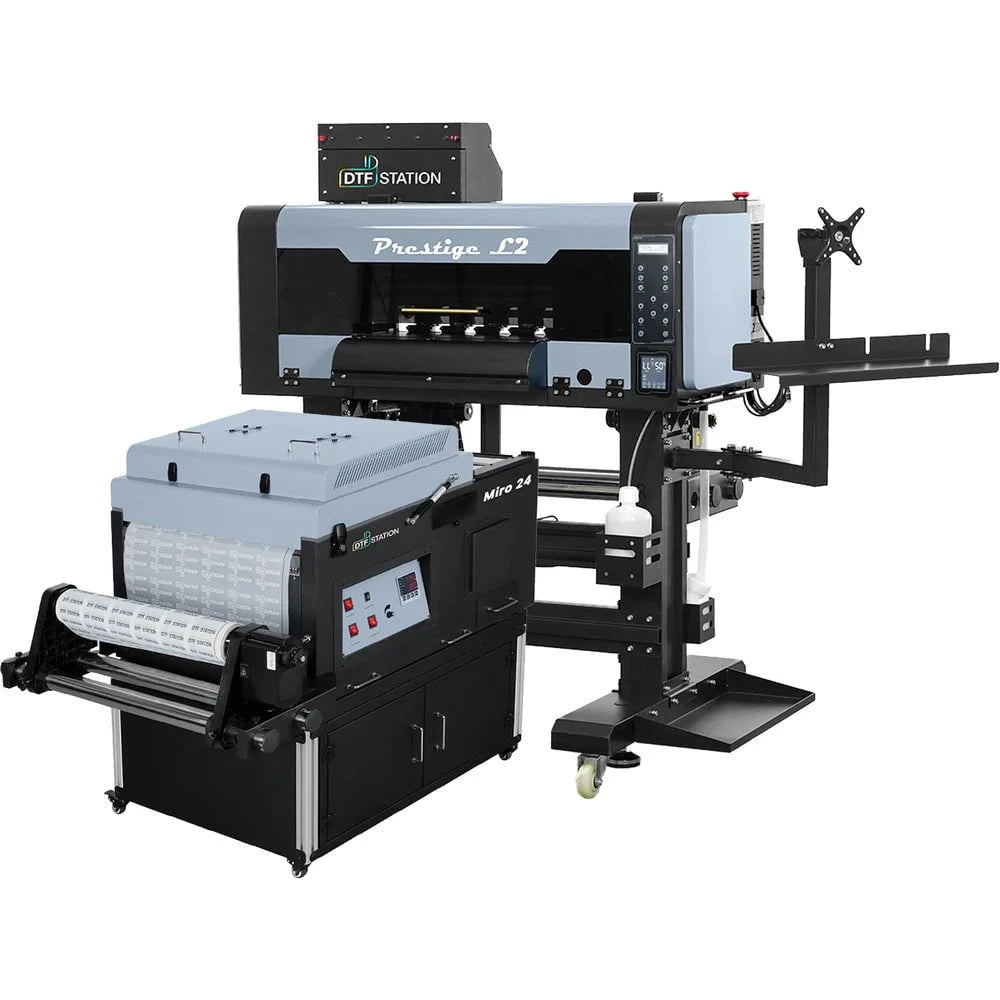
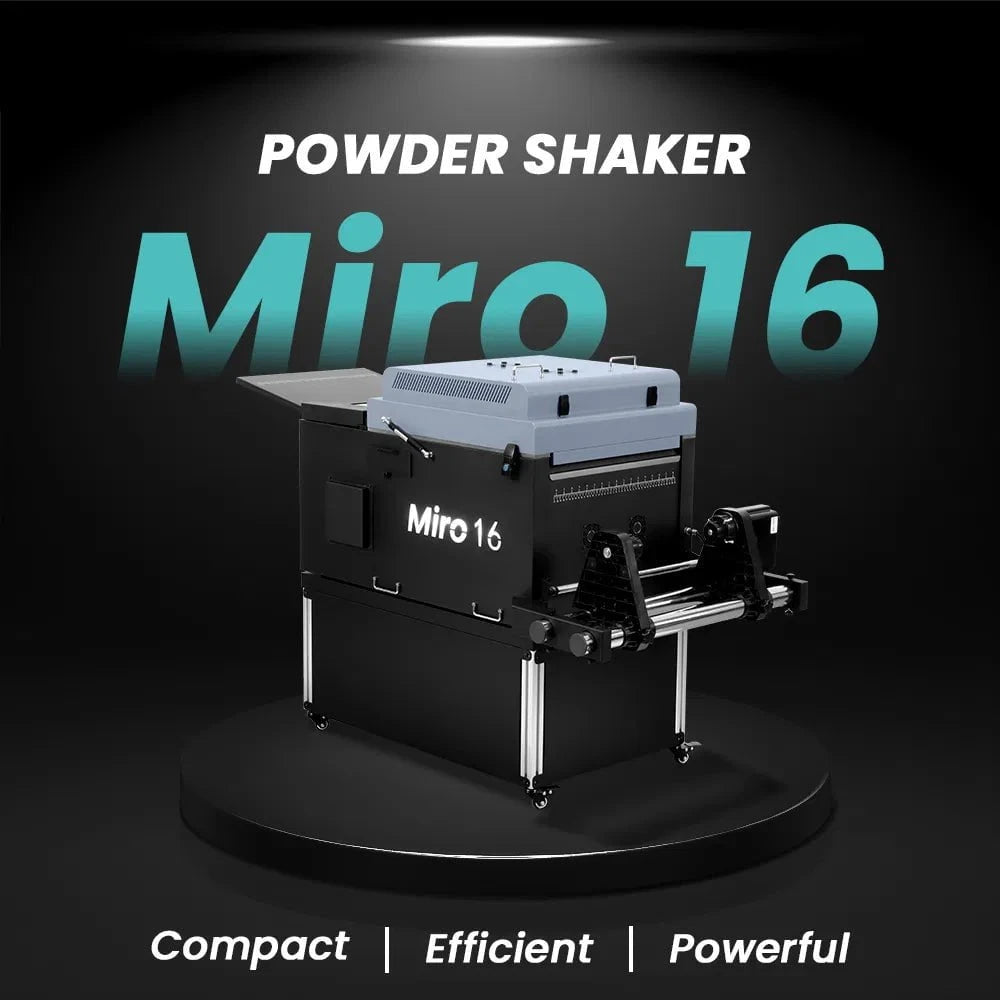
$323/month Prestige L2 18.5" DTF Printer Dual i3200 with Miro 16 Automatic Powder Applicator/Shaker oven and Built-In Oven
Sale
$323/month Prestige L2 18.5" DTF Printer Dual i3200 with Miro 16 Automatic Powder Applicator/Shaker oven and Built-In Oven
- Sale price
- $323
- Regular price
- $483
Prestige XL2 24" DTF Printer with optional Bundle Accessories (Shaker/Oven/Purifier)


Sale


Prestige XL2 24" DTF Printer with optional Bundle Accessories (Shaker/Oven/Purifier)
- Price
- From $342
$398/Month 9-Colour BUNDLE 24" Prestige XL2 PRO New DTF Station Printer with MIRO 24 Automatic Powder Applicator/Shaker/Oven/Purifier


Sale


$398/Month 9-Colour BUNDLE 24" Prestige XL2 PRO New DTF Station Printer with MIRO 24 Automatic Powder Applicator/Shaker/Oven/Purifier
- Sale price
- $398
- Regular price
- $520
$195/month BRAND NEW DTF Station Aries 213 UV DTF with i3200HD Printer 2-in-1 Printing and Laminating With Exceptional Colour Accuracy


Sale


$195/month BRAND NEW DTF Station Aries 213 UV DTF with i3200HD Printer 2-in-1 Printing and Laminating With Exceptional Colour Accuracy
- Sale price
- $195
- Regular price
- $250
$449/month - Aries 124 – 24" (60cm) Commercial UV DTF Printer with Automatic Lamination


Sale


$449/month - Aries 124 – 24" (60cm) Commercial UV DTF Printer with Automatic Lamination
- Sale price
- $28,880
- Regular price
- $39,995
$91/mo. Auto-Feed and Cut 16pt. 13x19 (400GSM) - Business Cards, Door Hangers, Labels, Decals, Gift Boxes, Thermal Transfer and more...


Sale


$91/mo. Auto-Feed and Cut 16pt. 13x19 (400GSM) - Business Cards, Door Hangers, Labels, Decals, Gift Boxes, Thermal Transfer and more...
- Sale price
- $91
- Regular price
- $117
$174/Month 4ftx8ft IN-STOCK Plytronix Pneumatic Flatbed Laminator Applicator Smart Mounting Table with LED Mounting and Laminating


Sale


$174/Month 4ftx8ft IN-STOCK Plytronix Pneumatic Flatbed Laminator Applicator Smart Mounting Table with LED Mounting and Laminating
- Sale price
- $174
- Regular price
- $299
$195/Month 5ftx11ft IN-STOCK Plytronix Pneumatic Flatbed Laminator Applicator Smart Mounting Table with LED Mounting and Laminating

Sale

$195/Month 5ftx11ft IN-STOCK Plytronix Pneumatic Flatbed Laminator Applicator Smart Mounting Table with LED Mounting and Laminating
- Sale price
- $195
- Regular price
- $265
$125/month JAGUAR 70" AUTOMOTIVE SPECIAL EDITION PPF/TINT Cutter Plotter with Anti-Static kit and Tint Velvet Film.


Sale


$125/month JAGUAR 70" AUTOMOTIVE SPECIAL EDITION PPF/TINT Cutter Plotter with Anti-Static kit and Tint Velvet Film.
- Sale price
- $125
- Regular price
- $179
$94/month 50" JAGUAR AUTOMOTIVE SPECIAL EDITION TINT/PPF V-LX J5-101LX-SE Cutter Plotter with Anti-Static kit and Tint Velvet Film.

Sale

$94/month 50" JAGUAR AUTOMOTIVE SPECIAL EDITION TINT/PPF V-LX J5-101LX-SE Cutter Plotter with Anti-Static kit and Tint Velvet Film.
- Sale price
- $94
- Regular price
- $145
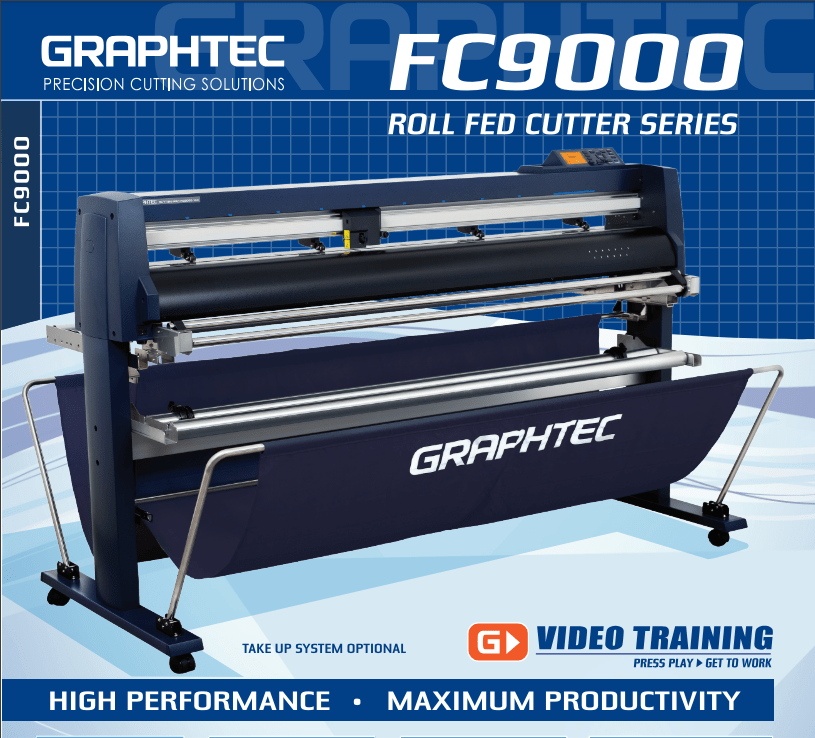
42'' Graphtec FC9000-100 For the Automotive Professionals with 50 ft accurate tracking of Window Tint Film & Vinyl, Roll-fed Cutting Plotter
Sale
42'' Graphtec FC9000-100 For the Automotive Professionals with 50 ft accurate tracking of Window Tint Film & Vinyl, Roll-fed Cutting Plotter
- Sale price
- $129
- Regular price
- $169
$189/MONTH NEW 64" Graphtec FC9000-160 For Automotive Professionals with 50 ft accurate tracking of Window Tint, PPF Film & Vinyl. Roll-fed Cutting Plotter

Sale

$189/MONTH NEW 64" Graphtec FC9000-160 For Automotive Professionals with 50 ft accurate tracking of Window Tint, PPF Film & Vinyl. Roll-fed Cutting Plotter
- Sale price
- $189
- Regular price
- $249
$134/month Graphtec AKZ Engineered for TINT/PPF with Stand, Media Basket and PPF Anti-electrostatic Kit.
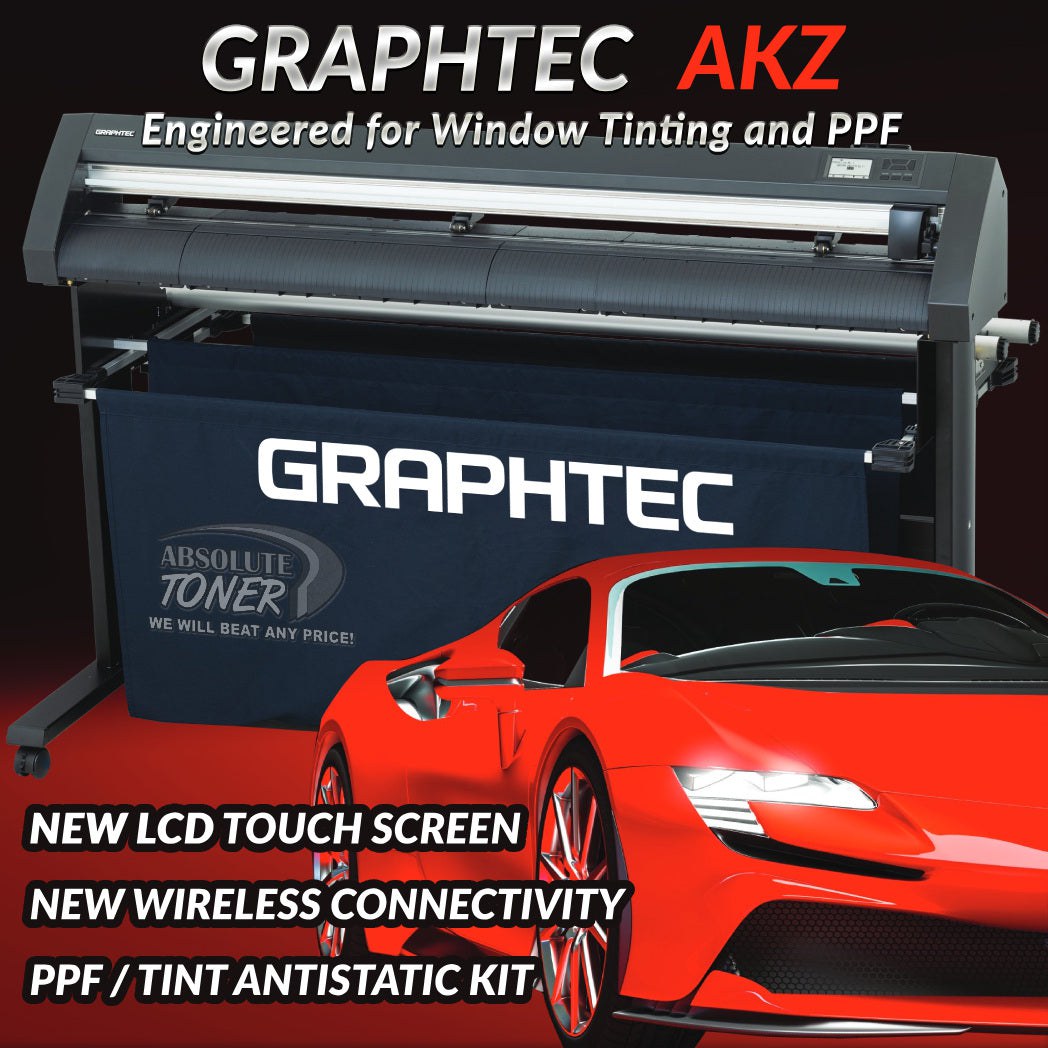
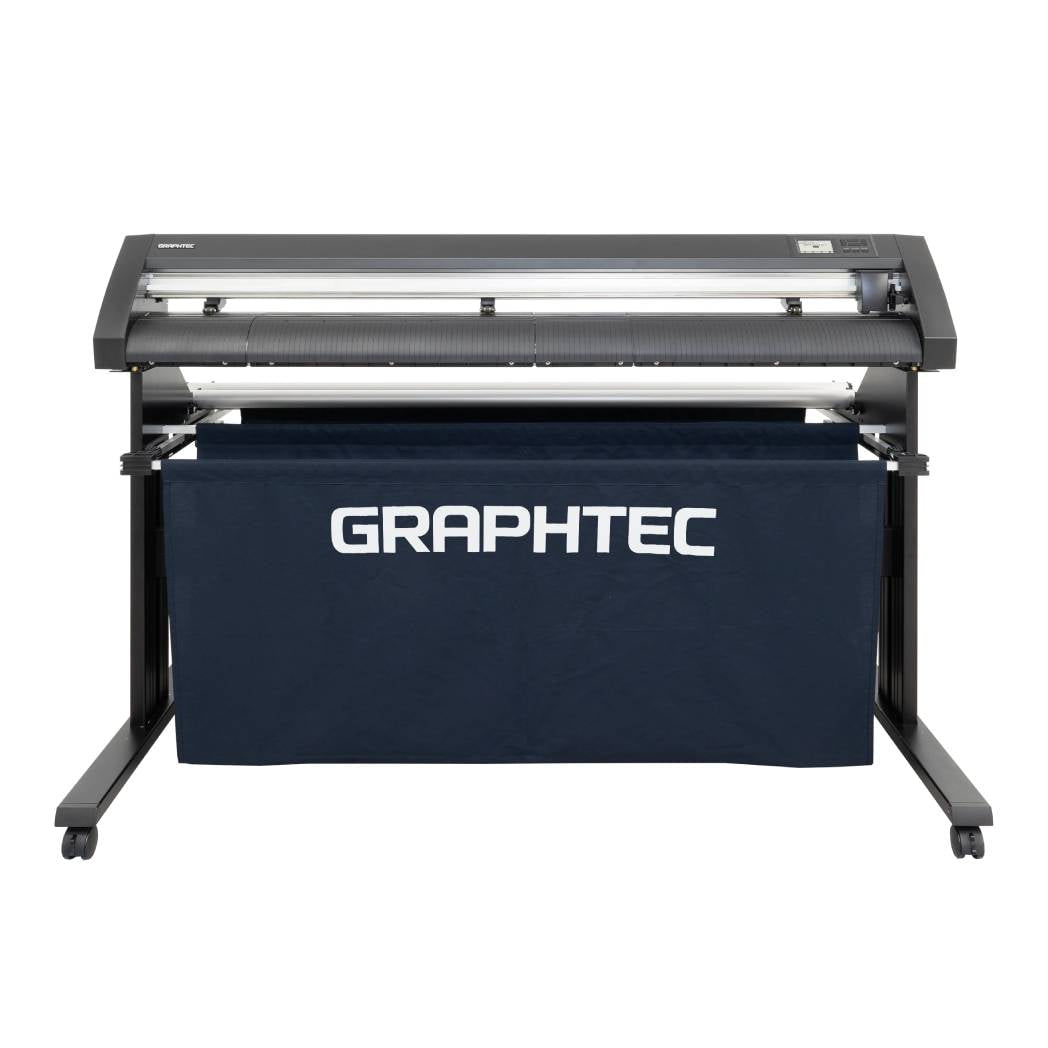
$134/month Graphtec AKZ Engineered for TINT/PPF with Stand, Media Basket and PPF Anti-electrostatic Kit.
- Sale price
- $134
- Regular price
- $159
$115/month PLYTRONIX Pneumatic PRO 64” with Anti-Static System, Large Format Auto High-Speed Cold/Hot Laminator for Signs, Graphics, Banners, Prints & More


$115/month PLYTRONIX Pneumatic PRO 64” with Anti-Static System, Large Format Auto High-Speed Cold/Hot Laminator for Signs, Graphics, Banners, Prints & More
- Sale price
- $115
- Regular price
- $195
Understanding the Technical Specifications: Key Features to Consider

Technical specifications play a crucial role in determining the capabilities and performance of electronic devices. Whether you're purchasing a smartphone, laptop, or any other gadget, understanding the technical specifications is essential to make an informed decision. By considering the key features of a device, you can ensure that it meets your requirements and delivers the desired performance. In this article, we will explore the important technical specifications to consider when buying electronic devices.
1. Introduction
In today's fast-paced technological landscape, there are countless options available when it comes to electronic devices. However, not all devices are created equal, and their technical specifications set them apart. Understanding these specifications allows you to assess the device's capabilities and determine if it aligns with your needs and preferences.
2. Importance of Understanding Technical Specifications
Before diving into the key features, it's important to understand why technical specifications matter. When you have a clear understanding of a device's specifications, you can:
- Make an informed decision: By evaluating the technical specifications, you can assess if a device has the necessary features and capabilities to meet your requirements.
- Compare different devices: Understanding specifications enables you to compare devices side by side, considering their strengths and weaknesses.
- Avoid buyer's remorse: Without proper knowledge of technical specifications, you may end up with a device that doesn't perform as expected, leading to dissatisfaction and regret.
3. Key Features to Consider
When evaluating the technical specifications of a device, there are several key features that deserve attention. Let's explore each of them in detail:
3.1. Processor
The processor is often referred to as the "brain" of a device. It determines the device's processing power and influences its overall performance. Processors come in different variants, such as Intel Core i5, AMD Ryzen 7, or Apple M1. Consider the processor's speed, number of cores, and generation to gauge its capabilities.
3.2. RAM and Storage
Random Access Memory (RAM) and storage are essential for a device's multitasking and data storage capabilities. Higher RAM allows for smoother multitasking, while ample storage ensures you have enough space for files, applications, and media. Evaluate the device's RAM capacity and storage type (e.g., SSD or HDD) to meet your needs.
3.3. Display
The display is a crucial aspect of devices like smartphones, tablets, and laptops. Factors to consider include screen size, resolution, color accuracy, and brightness. For instance, if you enjoy multimedia or gaming, a device with a high-resolution display and excellent color reproduction is preferable.
3.4. Battery Life
Battery life affects the device's portability and usability. Consider the estimated battery life provided by the manufacturer and compare it to your usage patterns. Look for devices with long-lasting batteries or fast-charging capabilities if you're frequently on the go.
3.5. Camera Quality
For devices with built-in cameras, such as smartphones or laptops, camera quality is an important consideration. Evaluate factors like megapixels, aperture size, and image stabilization. If you're a photography enthusiast or use video conferencing extensively, prioritize devices with excellent camera capabilities.
3.6. Connectivity Options
Consider the connectivity options provided by the device. These may include USB ports, HDMI, Thunderbolt, Wi-Fi, Bluetooth, and NFC. Ensure the device has the necessary connectivity features to connect with other devices or peripherals you frequently use.
3.7. Operating System
The operating system (OS) affects the user experience and software compatibility. Common options include Windows, macOS, Android, and iOS. Choose an OS that aligns with your preferences, software requirements, and ecosystem compatibility.
3.8. Additional Features
Many devices offer additional features that enhance the user experience. These may include fingerprint sensors, facial recognition, stylus support, water resistance, or expandable storage. Consider which additional features are important to you and can add value to your device usage.
4. Factors to Prioritize
While considering technical specifications, certain factors may influence your decision-making process. Here are some factors to prioritize:
4.1. Purpose and Usage
Align the technical specifications with the device's intended purpose and your usage patterns. For example, a gaming laptop would require a powerful processor and a dedicated graphics card, while a lightweight ultrabook may prioritize portability over raw processing power.
4.2. Budget
Set a budget and look for devices that offer the best specifications within your price range. Prioritize the specifications that are most crucial for your needs while staying within your budget constraints.
4.3. Brand Reputation and Support
Consider the reputation of the brand and the quality of their support services. Established brands often provide better support, reliable software updates, and a warranty that adds value to your purchase.
4.4. Future-Proofing
While it's impossible to future-proof a device entirely, consider its specifications in the context of future requirements. Aim for specifications that can accommodate your needs for the foreseeable future, reducing the need for frequent upgrades.
5. Conclusion
Understanding the technical specifications of electronic devices is essential for making informed purchasing decisions. By considering factors like processor, RAM, storage, display, battery life, camera quality, connectivity options, operating system, and additional features, you can ensure that the device meets your requirements and provides a satisfactory user experience.
In a market flooded with options, technical specifications help you narrow down choices based on your needs, preferences, and budget. With this knowledge, you'll be better equipped to choose the right device that aligns with your specific requirements.
6. Frequently Asked Questions (FAQs)
6.1. What are technical specifications?
- Technical specifications are the detailed characteristics and capabilities of a device or product. They include information about its processor, RAM, storage, display, battery life, camera, connectivity options, operating system, and additional features.
6.2. How do technical specifications impact device performance?
- Technical specifications directly influence a device's performance. A more powerful processor, higher RAM capacity, and faster storage result in smoother multitasking, faster data processing, and improved overall performance.
6.3. Can I upgrade the technical specifications of my device later?
- In some cases, certain components like RAM or storage may be upgradeable, depending on the device's design. However, it's essential to check the manufacturer's specifications and guidelines to determine the upgradability of specific components.
6.4. Should I prioritize one feature over another?
- The prioritization of features depends on your specific needs and preferences. Consider the purpose and usage of the device, your budget, and any particular requirements you have. It's a balancing act to find the right combination of features that best suit your needs.
6.5. What are some reliable sources to find technical specifications?
- Manufacturer websites, reputable technology review websites, and online retailers often provide detailed technical specifications for various devices. Reading expert reviews and customer feedback can also provide valuable insights into a device's specifications and performance.
- Choosing a selection results in a full page refresh.