Menu

Trending Top Sellers
HP DeskJet 4132e All-in-One Printer Includes Six Months of FREE Ink Through HP Ink Replacement Program and HP 1 Year Extended Warranty


Sale


HP DeskJet 4132e All-in-One Printer Includes Six Months of FREE Ink Through HP Ink Replacement Program and HP 1 Year Extended Warranty
- Sale price
- $75
- Regular price
- $149
New Prestige R2 PRO 13" Media Roll DTF Printer 110V A3 (Dual Epson i1600 Print Heads) - Includes Prestige R2 Pro DTF Printer, Startup Package and Accessories


Sale


New Prestige R2 PRO 13" Media Roll DTF Printer 110V A3 (Dual Epson i1600 Print Heads) - Includes Prestige R2 Pro DTF Printer, Startup Package and Accessories
- Price
- From $198
New Prisma Auto Clam Slider 110V 16X20" Inch DTF Heat-Press GS-105HS-Grey/Black With Auto Open Slider Feature And Pressure Sensor


Sale


New Prisma Auto Clam Slider 110V 16X20" Inch DTF Heat-Press GS-105HS-Grey/Black With Auto Open Slider Feature And Pressure Sensor
- Sale price
- $1,398
- Regular price
- $1,499
Cap Heat Press (PROMO: Including 5 Cap Press Lower Platen) Curved For Baseball Hats and Caps DTF Station Galaxy GS-501


Sale


Cap Heat Press (PROMO: Including 5 Cap Press Lower Platen) Curved For Baseball Hats and Caps DTF Station Galaxy GS-501
- Sale price
- $695
- Regular price
- $895
New Prestige R2 13" DTF Printer Bundle - Includes Prestige R2 DTF Printer, Startup Package and Accessories

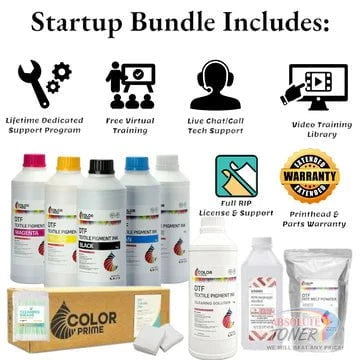

New Prestige R2 13" DTF Printer Bundle - Includes Prestige R2 DTF Printer, Startup Package and Accessories
- Price
- From $167
New Prestige R1 13" DTF Printer Bundle - Includes Prestige R1 DTF Printer, Startup Package and Compatible Machine Options


Sale


New Prestige R1 13" DTF Printer Bundle - Includes Prestige R1 DTF Printer, Startup Package and Compatible Machine Options
- Price
- From $116
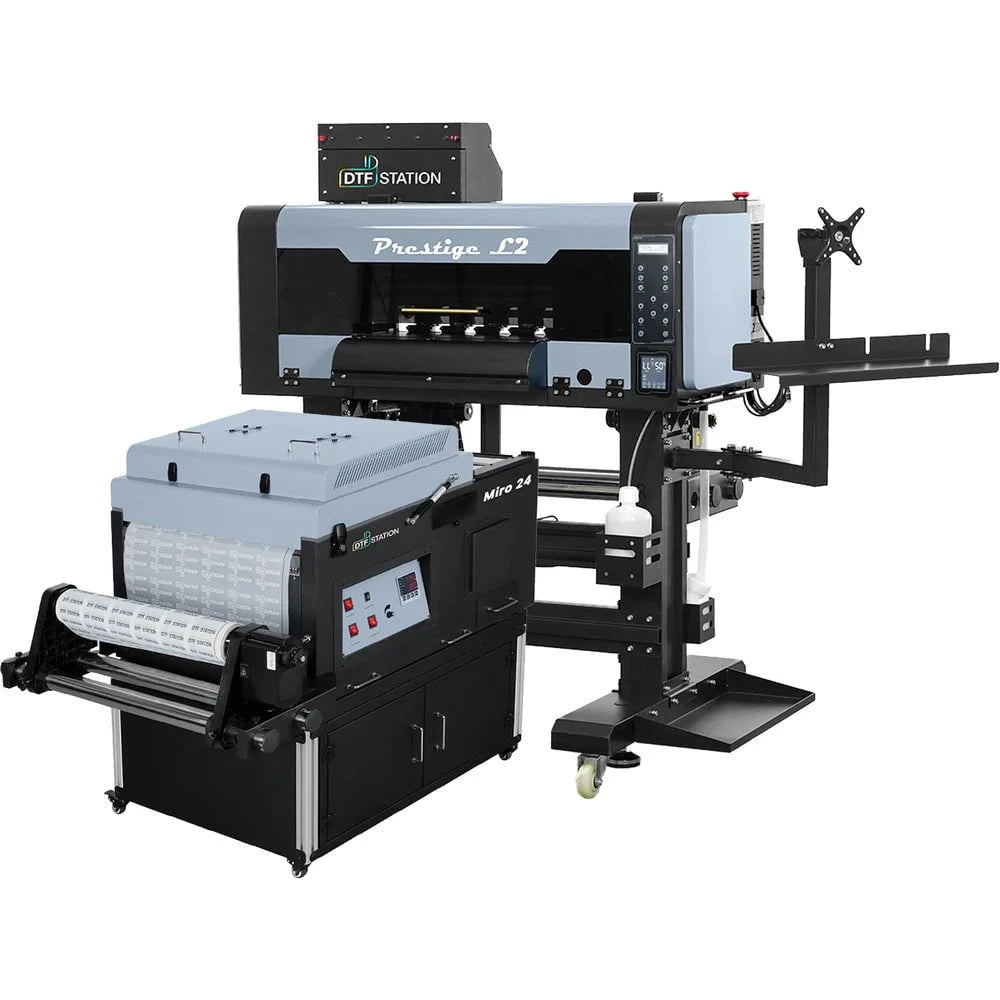
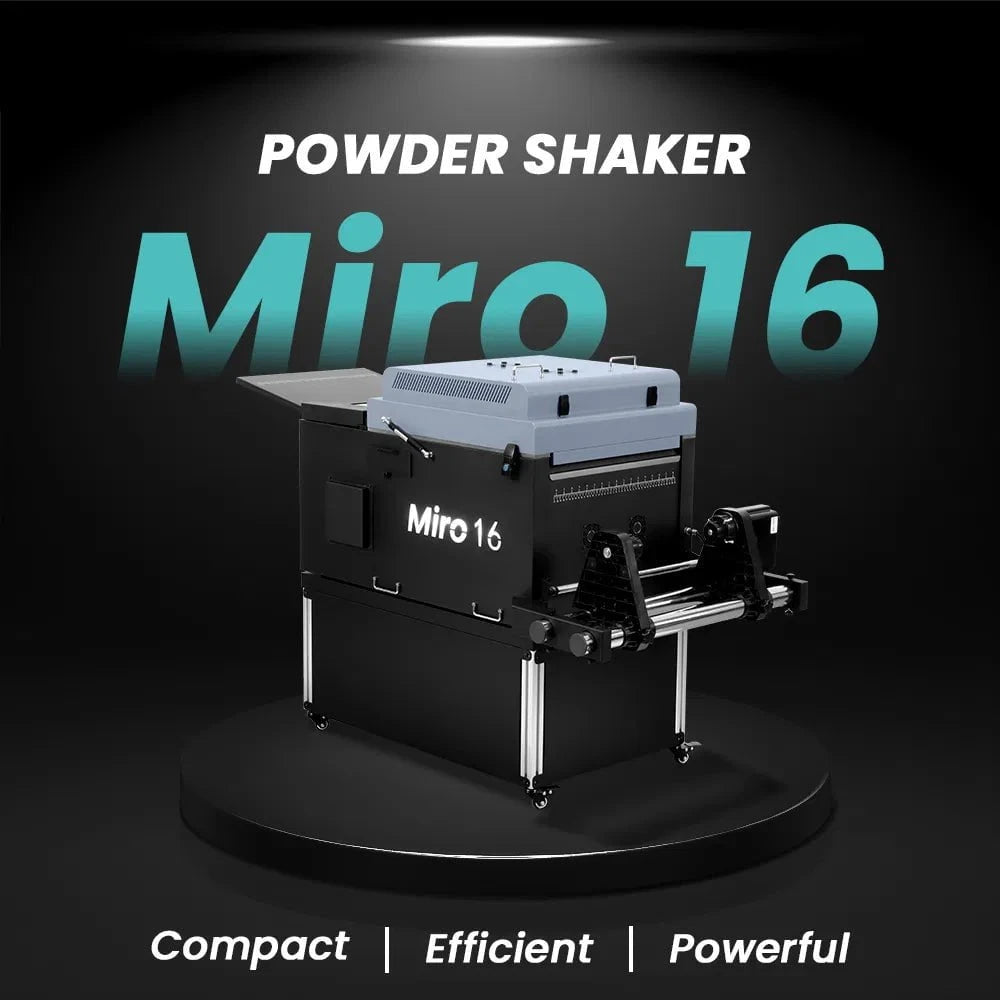
$323/month Prestige L2 18.5" DTF Printer Dual i3200 with Miro 16 Automatic Powder Applicator/Shaker oven and Built-In Oven
Sale
$323/month Prestige L2 18.5" DTF Printer Dual i3200 with Miro 16 Automatic Powder Applicator/Shaker oven and Built-In Oven
- Sale price
- $323
- Regular price
- $483
Prestige XL2 24" DTF Printer with optional Bundle Accessories (Shaker/Oven/Purifier)


Sale


Prestige XL2 24" DTF Printer with optional Bundle Accessories (Shaker/Oven/Purifier)
- Price
- From $342
$398/Month 9-Colour BUNDLE 24" Prestige XL2 PRO New DTF Station Printer with MIRO 24 Automatic Powder Applicator/Shaker/Oven/Purifier


Sale


$398/Month 9-Colour BUNDLE 24" Prestige XL2 PRO New DTF Station Printer with MIRO 24 Automatic Powder Applicator/Shaker/Oven/Purifier
- Sale price
- $398
- Regular price
- $520
$195/month BRAND NEW DTF Station Aries 213 UV DTF with i3200HD Printer 2-in-1 Printing and Laminating With Exceptional Colour Accuracy


Sale


$195/month BRAND NEW DTF Station Aries 213 UV DTF with i3200HD Printer 2-in-1 Printing and Laminating With Exceptional Colour Accuracy
- Sale price
- $195
- Regular price
- $250
$449/month - Aries 124 – 24" (60cm) Commercial UV DTF Printer with Automatic Lamination


Sale


$449/month - Aries 124 – 24" (60cm) Commercial UV DTF Printer with Automatic Lamination
- Sale price
- $28,880
- Regular price
- $39,995
$91/mo. Auto-Feed and Cut 16pt. 13x19 (400GSM) - Business Cards, Door Hangers, Labels, Decals, Gift Boxes, Thermal Transfer and more...


Sale


$91/mo. Auto-Feed and Cut 16pt. 13x19 (400GSM) - Business Cards, Door Hangers, Labels, Decals, Gift Boxes, Thermal Transfer and more...
- Sale price
- $91
- Regular price
- $117
$174/Month 4ftx8ft IN-STOCK Plytronix Pneumatic Flatbed Laminator Applicator Smart Mounting Table with LED Mounting and Laminating


Sale


$174/Month 4ftx8ft IN-STOCK Plytronix Pneumatic Flatbed Laminator Applicator Smart Mounting Table with LED Mounting and Laminating
- Sale price
- $174
- Regular price
- $299
$195/Month 5ftx11ft IN-STOCK Plytronix Pneumatic Flatbed Laminator Applicator Smart Mounting Table with LED Mounting and Laminating

Sale

$195/Month 5ftx11ft IN-STOCK Plytronix Pneumatic Flatbed Laminator Applicator Smart Mounting Table with LED Mounting and Laminating
- Sale price
- $195
- Regular price
- $265
$125/month JAGUAR 70" AUTOMOTIVE SPECIAL EDITION PPF/TINT Cutter Plotter with Anti-Static kit and Tint Velvet Film.


Sale


$125/month JAGUAR 70" AUTOMOTIVE SPECIAL EDITION PPF/TINT Cutter Plotter with Anti-Static kit and Tint Velvet Film.
- Sale price
- $125
- Regular price
- $179
$94/month 50" JAGUAR AUTOMOTIVE SPECIAL EDITION TINT/PPF V-LX J5-101LX-SE Cutter Plotter with Anti-Static kit and Tint Velvet Film.

Sale

$94/month 50" JAGUAR AUTOMOTIVE SPECIAL EDITION TINT/PPF V-LX J5-101LX-SE Cutter Plotter with Anti-Static kit and Tint Velvet Film.
- Sale price
- $94
- Regular price
- $145
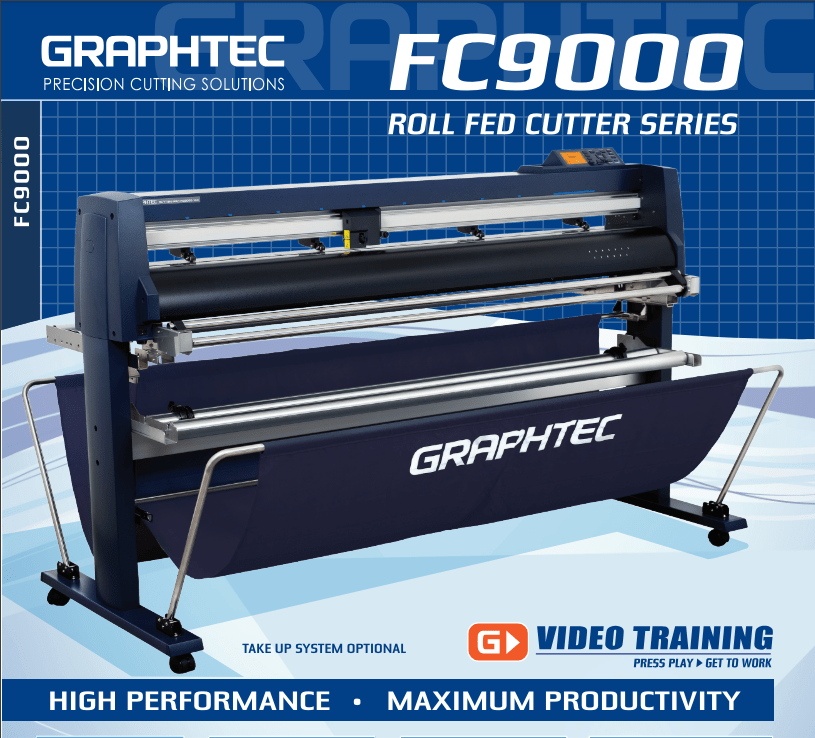
42'' Graphtec FC9000-100 For the Automotive Professionals with 50 ft accurate tracking of Window Tint Film & Vinyl, Roll-fed Cutting Plotter
Sale
42'' Graphtec FC9000-100 For the Automotive Professionals with 50 ft accurate tracking of Window Tint Film & Vinyl, Roll-fed Cutting Plotter
- Sale price
- $129
- Regular price
- $169
$189/MONTH NEW 64" Graphtec FC9000-160 For Automotive Professionals with 50 ft accurate tracking of Window Tint, PPF Film & Vinyl. Roll-fed Cutting Plotter

Sale

$189/MONTH NEW 64" Graphtec FC9000-160 For Automotive Professionals with 50 ft accurate tracking of Window Tint, PPF Film & Vinyl. Roll-fed Cutting Plotter
- Sale price
- $189
- Regular price
- $249
$134/month Graphtec AKZ Engineered for TINT/PPF with Stand, Media Basket and PPF Anti-electrostatic Kit.
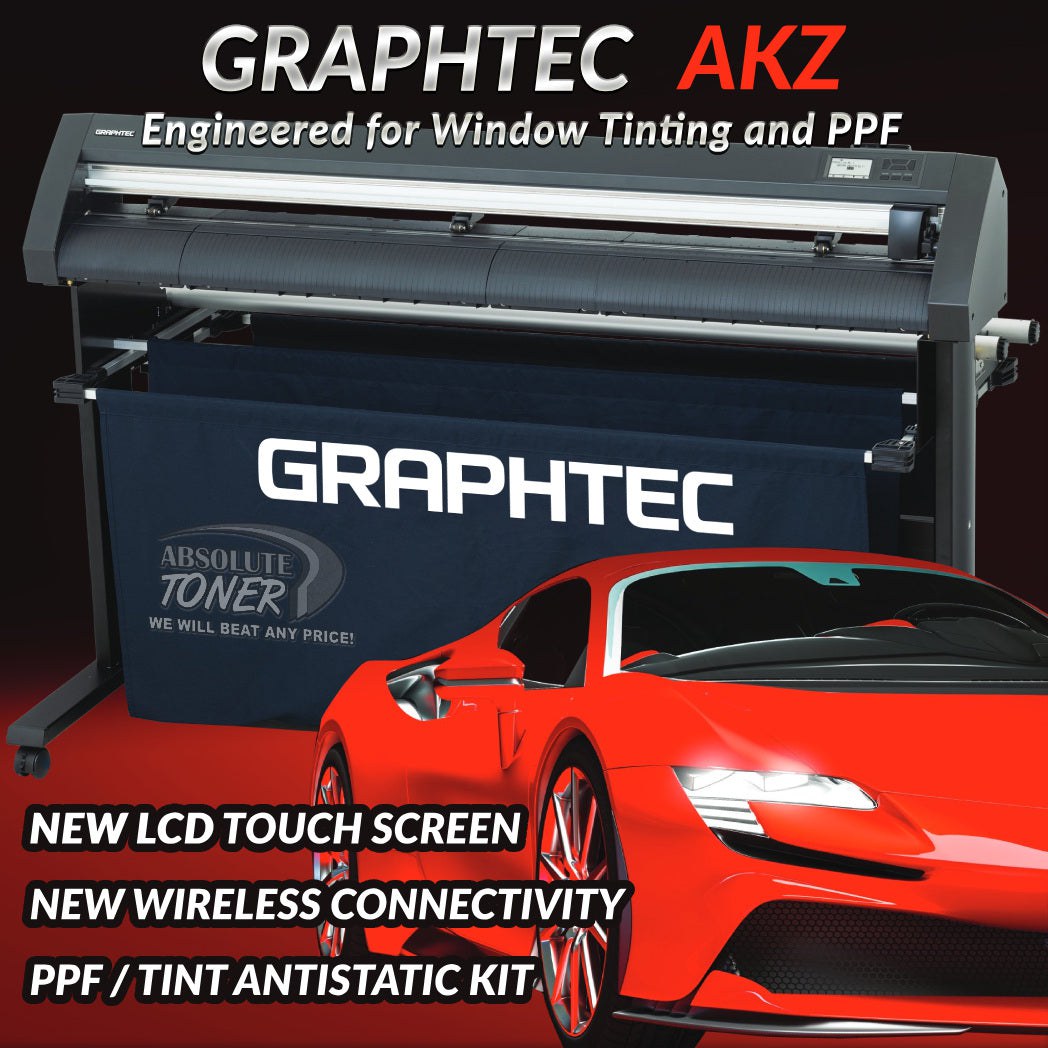
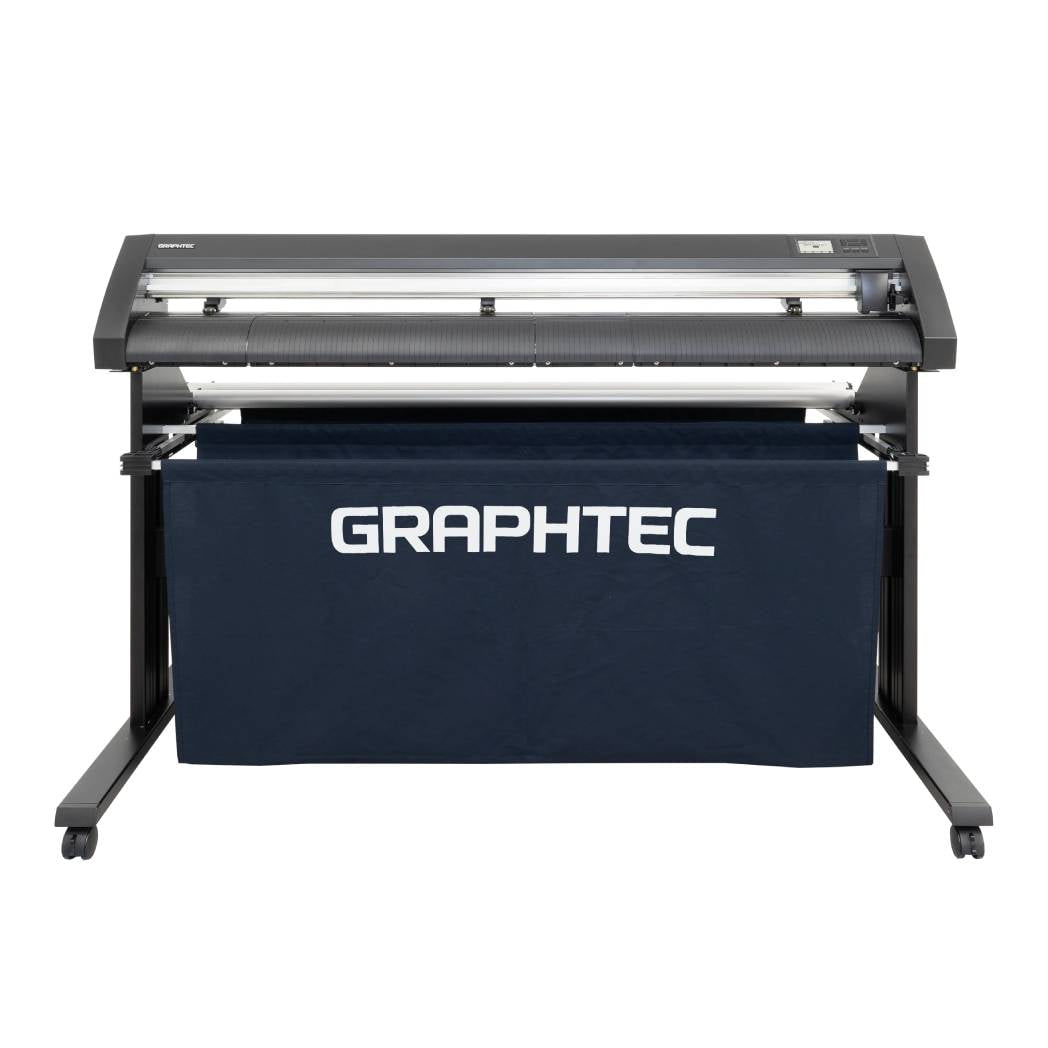
$134/month Graphtec AKZ Engineered for TINT/PPF with Stand, Media Basket and PPF Anti-electrostatic Kit.
- Sale price
- $134
- Regular price
- $159
$115/month PLYTRONIX Pneumatic PRO 64” with Anti-Static System, Large Format Auto High-Speed Cold/Hot Laminator for Signs, Graphics, Banners, Prints & More


$115/month PLYTRONIX Pneumatic PRO 64” with Anti-Static System, Large Format Auto High-Speed Cold/Hot Laminator for Signs, Graphics, Banners, Prints & More
- Sale price
- $115
- Regular price
- $195
UV vs Solvent: Which Mimaki Technology Fits Your Business?

Investing in the right printing technology can make or break your production workflow — and ultimately, your bottom line. If you’re a print shop, sign business, or customization brand looking into Mimaki printers, you’ve likely come across two major options: UV and Solvent printing.
But what exactly is the difference? And more importantly, which one is right for your business?
In this guide, we break it down so you can confidently choose the technology that best fits your needs, market, and budget.
🔍 What Is UV Printing?
UV printing uses ultraviolet light to instantly cure the ink on the surface of virtually any material — including rigid substrates like glass, metal, acrylic, wood, and more.
✅ Ideal For:
- Signage on rigid materials
- Packaging prototypes
- Custom promotional products
- ADA & dimensional signs
- Small-run specialty prints
🔧 Compatible Mimaki Machines:
- Mimaki JFX600-2513 – High-speed, large-format UV flatbed for industrial-grade work
- Mimaki UJF Series – Tabletop UV printers perfect for customized goods
🟣 UV Printing Advantages:
- Instantly dry — no waiting, no smudging
- Print on nearly any surface: glass, wood, plastic, metal, etc.
- Enables texture and 3D effects with gloss and embossing
- Eco-friendly, low VOC, no outgassing
🎨 What Is Solvent/Eco-Solvent Printing?
Solvent and eco-solvent printers use solvent-based inks that penetrate vinyl and banner material, bonding with the substrate to produce durable, weather-resistant prints.
✅ Ideal For:
- Outdoor signage and banners
- Vehicle wraps and decals
- Window graphics
- Posters, backlit displays, and soft signage
- Long-lasting print durability
🔧 Compatible Mimaki Machines:
- Mimaki JV100-160 – Eco-solvent printer with stunning color and reliability
- Mimaki CJV150 & CJV300 Series – Print-and-cut solutions for signage and stickers
🟢 Solvent Printing Advantages:
- Excellent for outdoor use (UV- and weather-resistant)
- Vibrant, deep colors ideal for branding and advertising
- Cost-effective ink and media
- Perfect for vehicle graphics and wraps
🆚 UV vs Solvent: Head-to-Head Comparison
| Feature | UV Printing | Solvent Printing |
|---|---|---|
| Media Compatibility | Rigid + Flexible (almost anything) | Mostly flexible (vinyl, banner) |
| Dry Time | Instant (UV light cured) | Requires drying or degassing time |
| Print Durability | High – scratch and chemical resistant | High – UV/weather resistant |
| Special Effects | Yes – texture, gloss, embossing | No |
| Common Applications | Displays, packaging, promos, signs | Signage, wraps, decals, outdoor ads |
| Ink Cost | Slightly higher | Generally lower |
| Setup Space | Flatbeds need more room | Roll printers are more compact |
💼 Which One Should You Choose?
Choose UV Printing if:
- You print on rigid materials
- You want instant turnaround
- You need creative finishes or textured effects
- You’re in packaging, awards, product customization, or high-end signage
Choose Solvent Printing if:
- You focus on outdoor signage, decals, vehicle wraps
- You want long-lasting color and durability
- You need cost-effective, roll-to-roll production
- You’re producing banners, stickers, posters, etc.
🔗 Still Deciding? Read More:
- Choosing a selection results in a full page refresh.