Menu

Trending Top Sellers
HP DeskJet 4132e All-in-One Printer Includes Six Months of FREE Ink Through HP Ink Replacement Program and HP 1 Year Extended Warranty


Sale


HP DeskJet 4132e All-in-One Printer Includes Six Months of FREE Ink Through HP Ink Replacement Program and HP 1 Year Extended Warranty
- Sale price
- $75
- Regular price
- $149
New Prestige R2 PRO 13" Media Roll DTF Printer 110V A3 (Dual Epson i1600 Print Heads) - Includes Prestige R2 Pro DTF Printer, Startup Package and Accessories


Sale


New Prestige R2 PRO 13" Media Roll DTF Printer 110V A3 (Dual Epson i1600 Print Heads) - Includes Prestige R2 Pro DTF Printer, Startup Package and Accessories
- Price
- From $198
New Prisma Auto Clam Slider 110V 16X20" Inch DTF Heat-Press GS-105HS-Grey/Black With Auto Open Slider Feature And Pressure Sensor


Sale


New Prisma Auto Clam Slider 110V 16X20" Inch DTF Heat-Press GS-105HS-Grey/Black With Auto Open Slider Feature And Pressure Sensor
- Sale price
- $1,398
- Regular price
- $1,499
Cap Heat Press (PROMO: Including 5 Cap Press Lower Platen) Curved For Baseball Hats and Caps DTF Station Galaxy GS-501


Sale


Cap Heat Press (PROMO: Including 5 Cap Press Lower Platen) Curved For Baseball Hats and Caps DTF Station Galaxy GS-501
- Sale price
- $695
- Regular price
- $895
New Prestige R2 13" DTF Printer Bundle - Includes Prestige R2 DTF Printer, Startup Package and Accessories

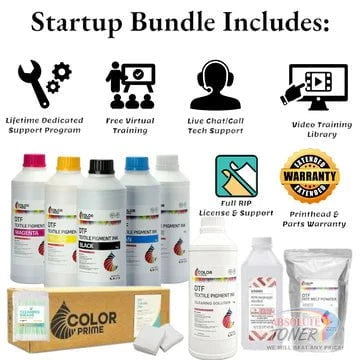

New Prestige R2 13" DTF Printer Bundle - Includes Prestige R2 DTF Printer, Startup Package and Accessories
- Price
- From $167
New Prestige R1 13" DTF Printer Bundle - Includes Prestige R1 DTF Printer, Startup Package and Compatible Machine Options


Sale


New Prestige R1 13" DTF Printer Bundle - Includes Prestige R1 DTF Printer, Startup Package and Compatible Machine Options
- Price
- From $116
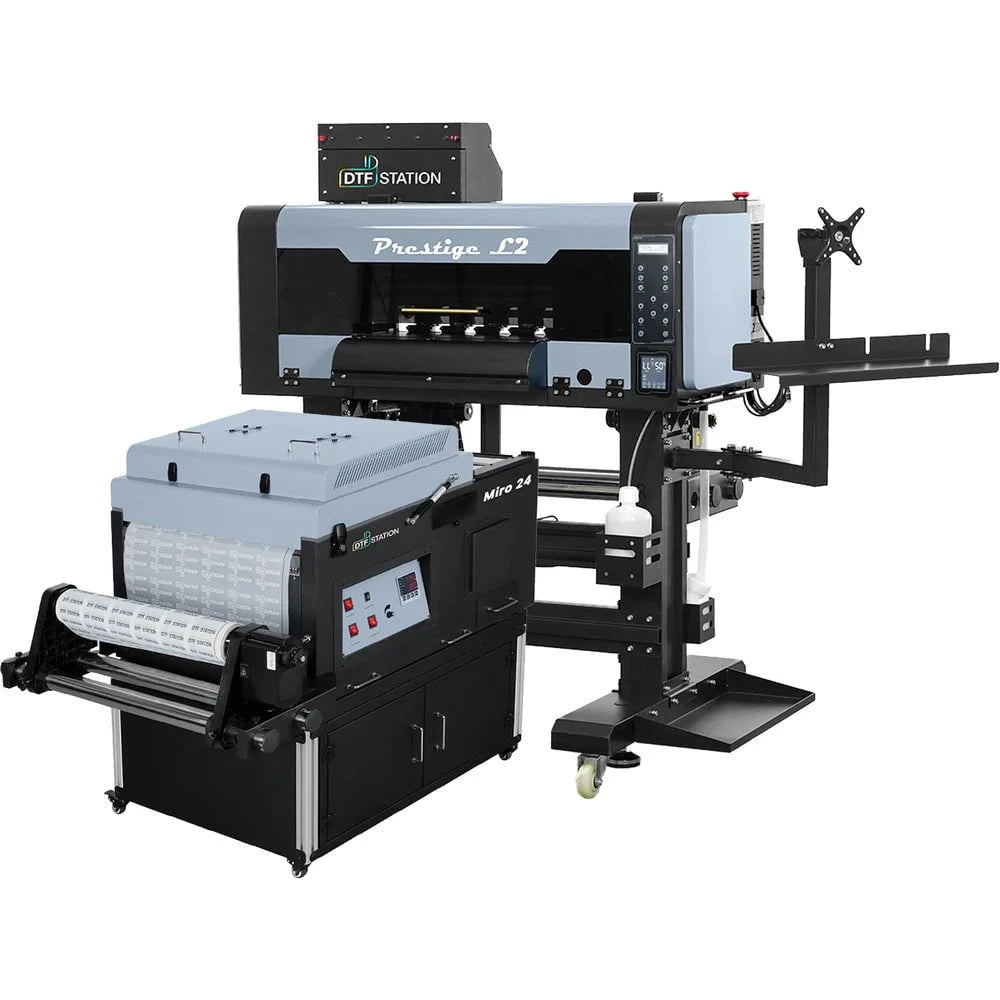
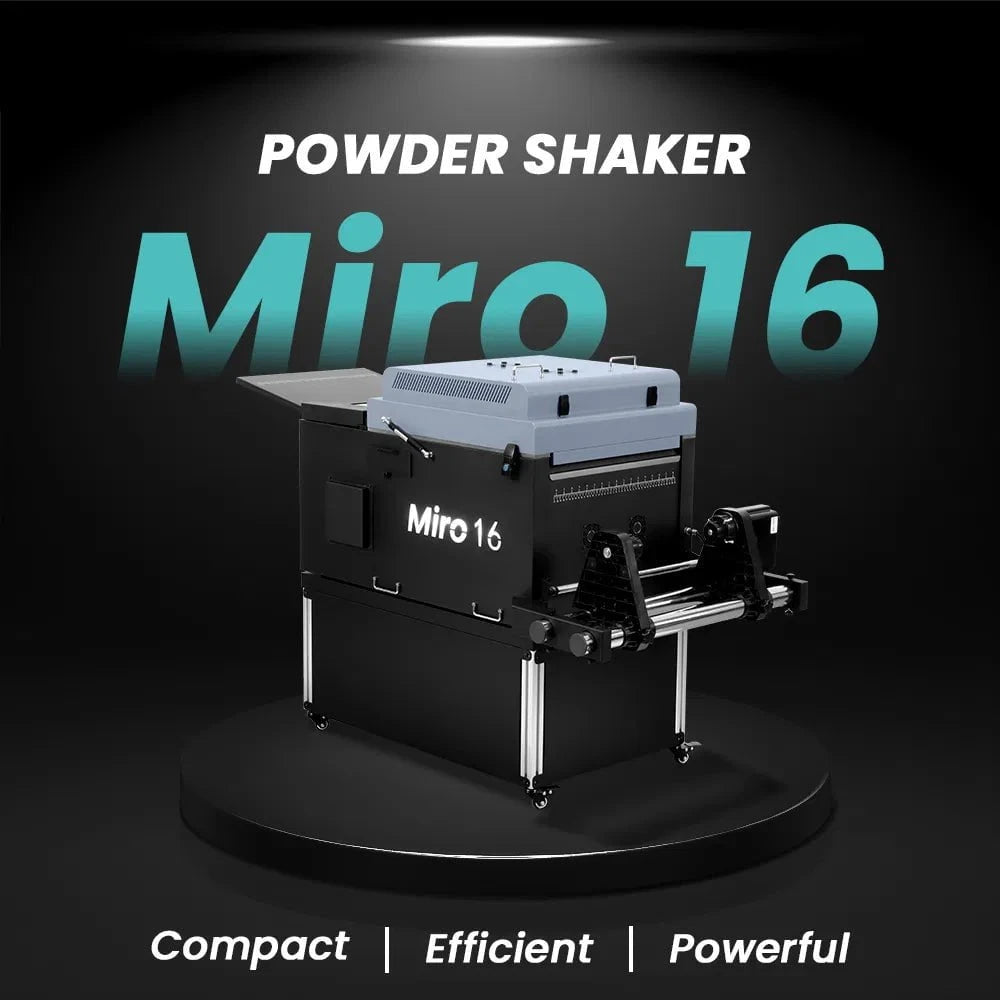
$323/month Prestige L2 18.5" DTF Printer Dual i3200 with Miro 16 Automatic Powder Applicator/Shaker oven and Built-In Oven
Sale
$323/month Prestige L2 18.5" DTF Printer Dual i3200 with Miro 16 Automatic Powder Applicator/Shaker oven and Built-In Oven
- Sale price
- $323
- Regular price
- $483
Prestige XL2 24" DTF Printer with optional Bundle Accessories (Shaker/Oven/Purifier)


Sale


Prestige XL2 24" DTF Printer with optional Bundle Accessories (Shaker/Oven/Purifier)
- Price
- From $342
$398/Month 9-Colour BUNDLE 24" Prestige XL2 PRO New DTF Station Printer with MIRO 24 Automatic Powder Applicator/Shaker/Oven/Purifier


Sale


$398/Month 9-Colour BUNDLE 24" Prestige XL2 PRO New DTF Station Printer with MIRO 24 Automatic Powder Applicator/Shaker/Oven/Purifier
- Sale price
- $398
- Regular price
- $520
$195/month BRAND NEW DTF Station Aries 213 UV DTF with i3200HD Printer 2-in-1 Printing and Laminating With Exceptional Colour Accuracy


Sale


$195/month BRAND NEW DTF Station Aries 213 UV DTF with i3200HD Printer 2-in-1 Printing and Laminating With Exceptional Colour Accuracy
- Sale price
- $195
- Regular price
- $250
$449/month - Aries 124 – 24" (60cm) Commercial UV DTF Printer with Automatic Lamination


Sale


$449/month - Aries 124 – 24" (60cm) Commercial UV DTF Printer with Automatic Lamination
- Sale price
- $28,880
- Regular price
- $39,995
$91/mo. Auto-Feed and Cut 16pt. 13x19 (400GSM) - Business Cards, Door Hangers, Labels, Decals, Gift Boxes, Thermal Transfer and more...


Sale


$91/mo. Auto-Feed and Cut 16pt. 13x19 (400GSM) - Business Cards, Door Hangers, Labels, Decals, Gift Boxes, Thermal Transfer and more...
- Sale price
- $91
- Regular price
- $117
$174/Month 4ftx8ft IN-STOCK Plytronix Pneumatic Flatbed Laminator Applicator Smart Mounting Table with LED Mounting and Laminating


Sale


$174/Month 4ftx8ft IN-STOCK Plytronix Pneumatic Flatbed Laminator Applicator Smart Mounting Table with LED Mounting and Laminating
- Sale price
- $174
- Regular price
- $299
$195/Month 5ftx11ft IN-STOCK Plytronix Pneumatic Flatbed Laminator Applicator Smart Mounting Table with LED Mounting and Laminating

Sale

$195/Month 5ftx11ft IN-STOCK Plytronix Pneumatic Flatbed Laminator Applicator Smart Mounting Table with LED Mounting and Laminating
- Sale price
- $195
- Regular price
- $265
$125/month JAGUAR 70" AUTOMOTIVE SPECIAL EDITION PPF/TINT Cutter Plotter with Anti-Static kit and Tint Velvet Film.


Sale


$125/month JAGUAR 70" AUTOMOTIVE SPECIAL EDITION PPF/TINT Cutter Plotter with Anti-Static kit and Tint Velvet Film.
- Sale price
- $125
- Regular price
- $179
$94/month 50" JAGUAR AUTOMOTIVE SPECIAL EDITION TINT/PPF V-LX J5-101LX-SE Cutter Plotter with Anti-Static kit and Tint Velvet Film.

Sale

$94/month 50" JAGUAR AUTOMOTIVE SPECIAL EDITION TINT/PPF V-LX J5-101LX-SE Cutter Plotter with Anti-Static kit and Tint Velvet Film.
- Sale price
- $94
- Regular price
- $145
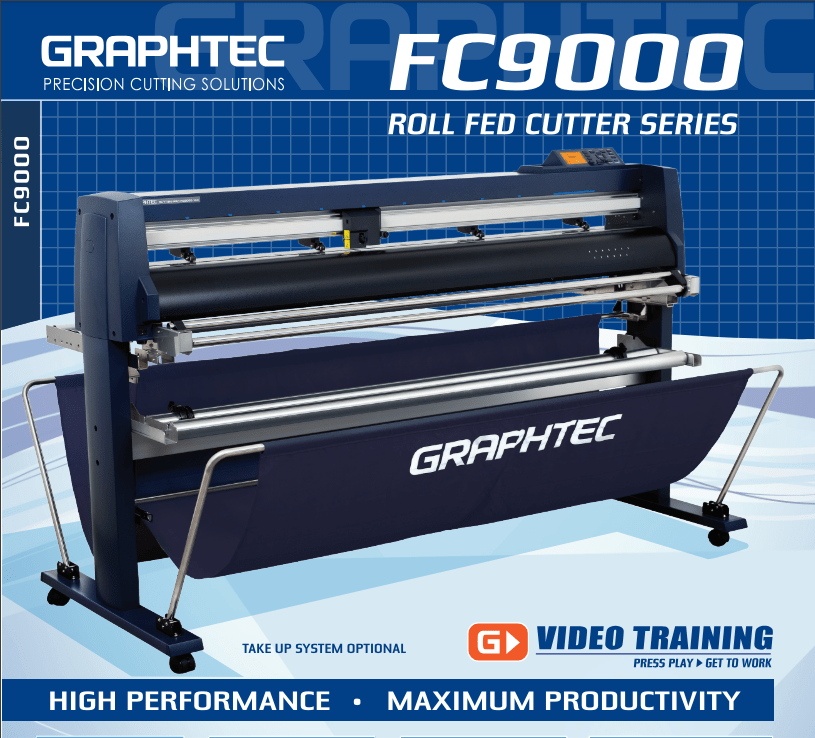
42'' Graphtec FC9000-100 For the Automotive Professionals with 50 ft accurate tracking of Window Tint Film & Vinyl, Roll-fed Cutting Plotter
Sale
42'' Graphtec FC9000-100 For the Automotive Professionals with 50 ft accurate tracking of Window Tint Film & Vinyl, Roll-fed Cutting Plotter
- Sale price
- $129
- Regular price
- $169
$189/MONTH NEW 64" Graphtec FC9000-160 For Automotive Professionals with 50 ft accurate tracking of Window Tint, PPF Film & Vinyl. Roll-fed Cutting Plotter

Sale

$189/MONTH NEW 64" Graphtec FC9000-160 For Automotive Professionals with 50 ft accurate tracking of Window Tint, PPF Film & Vinyl. Roll-fed Cutting Plotter
- Sale price
- $189
- Regular price
- $249
$134/month Graphtec AKZ Engineered for TINT/PPF with Stand, Media Basket and PPF Anti-electrostatic Kit.
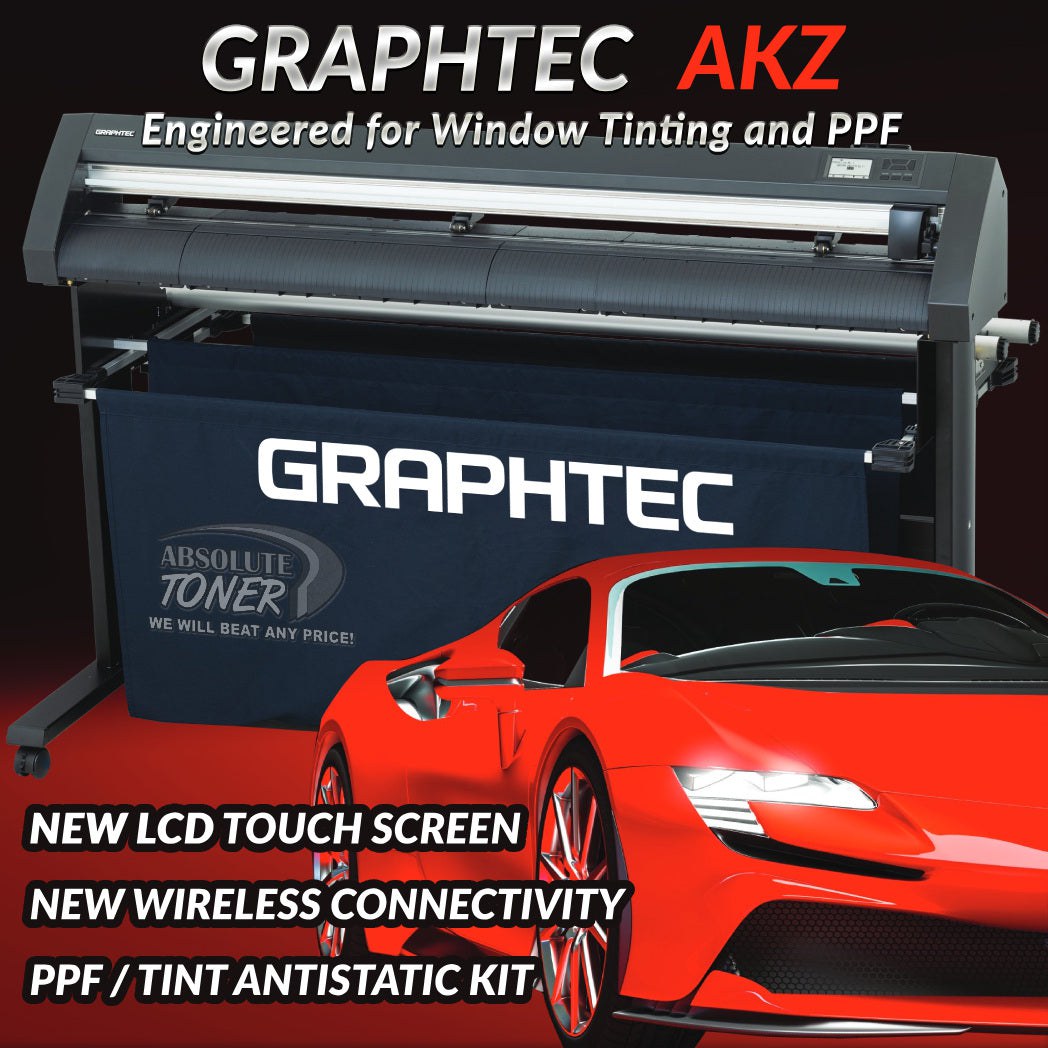
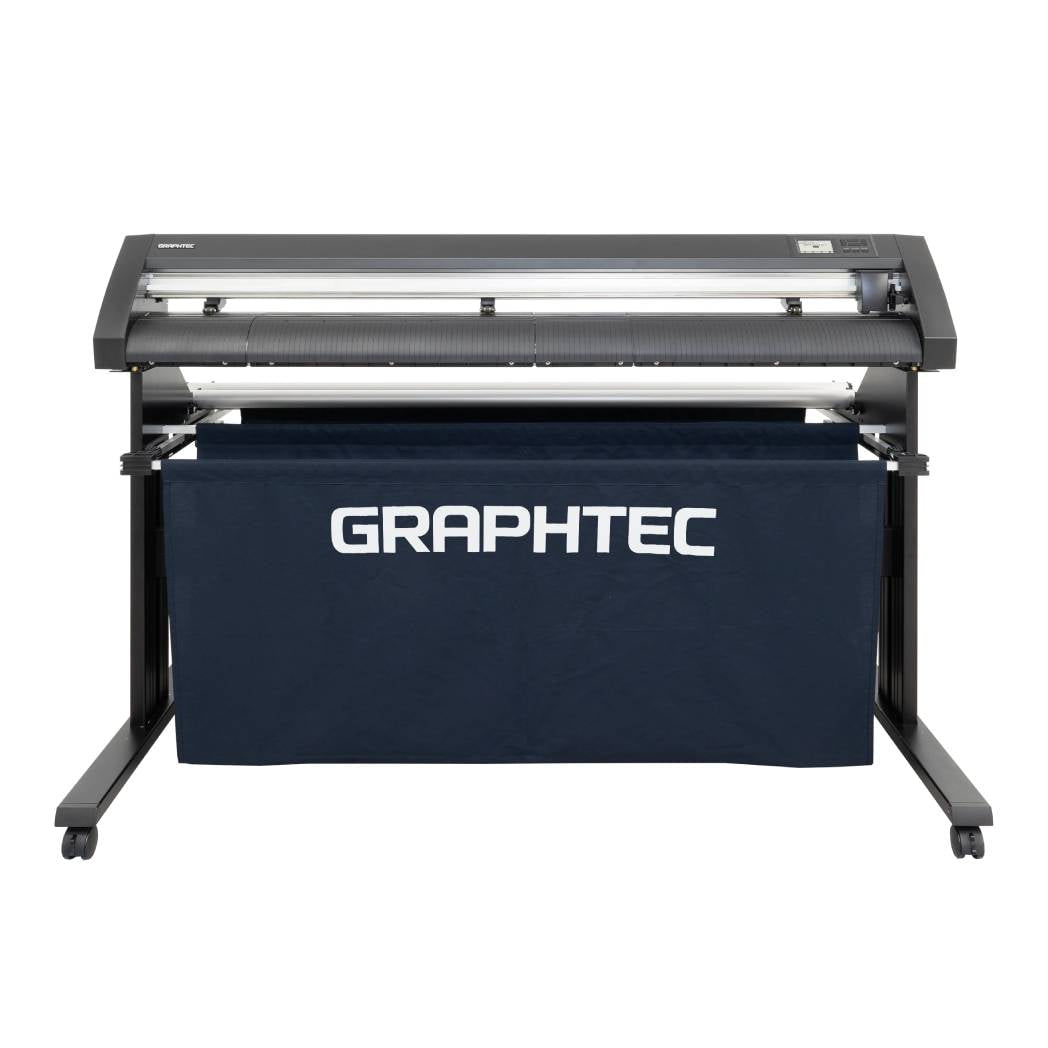
$134/month Graphtec AKZ Engineered for TINT/PPF with Stand, Media Basket and PPF Anti-electrostatic Kit.
- Sale price
- $134
- Regular price
- $159
$115/month PLYTRONIX Pneumatic PRO 64” with Anti-Static System, Large Format Auto High-Speed Cold/Hot Laminator for Signs, Graphics, Banners, Prints & More


$115/month PLYTRONIX Pneumatic PRO 64” with Anti-Static System, Large Format Auto High-Speed Cold/Hot Laminator for Signs, Graphics, Banners, Prints & More
- Sale price
- $115
- Regular price
- $195
What Printer Do You Need for DTF? A Complete Guide

In the world of custom printing, Direct-to-Film (DTF) printing has gained massive popularity for its ability to create vibrant, durable designs on a variety of materials. Whether you’re a small business owner or an experienced print professional, understanding the printer required for DTF is essential for successful results.
So, what exactly do you need to get started with DTF printing? Let’s dive into the key aspects that determine the right printer for your DTF business.
What is DTF Printing?
Before we talk about the printers, let’s take a moment to explain what DTF printing is. Direct-to-Film printing involves printing designs onto a special transfer film, which are then transferred onto textiles like t-shirts, hoodies, bags, and more using heat. It’s an excellent alternative to traditional screen printing and heat transfer methods, providing high-quality, durable prints on both light and dark-colored fabrics.
Printers Required for DTF Printing
Unlike other printing methods like Direct-to-Garment (DTG), DTF printing requires specialized equipment. You can't simply use any standard inkjet or laser printer; the printer needs to be capable of handling specific ink formulations and transfer processes. Here are the key features to look for in a printer suitable for DTF:
1. DTF-Compatible Printer
A DTF printer is specifically designed for printing onto films with the right type of inks (DTF inks). These printers are built to handle thicker films, produce high-quality prints with vibrant colors, and ensure smooth operation for the transfer process.
-
Example Printers:
-
Mimaki TS55-1800: Known for excellent color accuracy and high-speed printing, this printer is ideal for high-volume DTF printing.
-
Epson SureColor F2100: A popular choice for smaller print shops or businesses starting out in DTF, this printer can be adapted for DTF printing with modifications.
-
2. Ink Compatibility
DTF printers use specialized inks that allow the designs to transfer properly onto fabrics. These inks typically include CMYK (Cyan, Magenta, Yellow, Black) colors, plus white ink for printing on dark garments. The printer must be able to handle these ink types without clogging or disrupting the print process.
- DTF Inks: Premium DTF inks are often water-based and are designed to provide vibrant and long-lasting prints.
- White Ink Management: One of the most important considerations is ensuring the printer can manage white ink. White ink is essential for transferring onto dark fabrics, so printers designed with white ink circulation systems help avoid clogs and sedimentation.
3. Printing Technology
The most common type of printers used for DTF are Roll-fed Inkjet Printers or Flatbed Printers.
- Roll-fed Printers: These printers allow for continuous printing of large transfer films, making them ideal for high-volume production. They also support printing on different types of transfer media like paper and film rolls.
- Flatbed Printers: While not as common for DTF, flatbed printers can be modified for DTF printing. They are best for printing on smaller areas, such as individual transfers, which can be placed directly onto the printing surface.
Top Printers for DTF Printing
Here’s a look at some of the most popular printers currently used in the DTF printing industry:
1. Prestige R2 DTF Printer
Best For: Small to medium-sized businesses.
Key Features:
- Affordable and versatile: Works well with a variety of fabrics.
- High-quality prints: Produces vibrant colors and sharp details.
- Adaptable for white ink management: Great for printing on dark fabrics.
2. Epson SureColor F-Series
Best For: Entry-level and mid-range businesses.
Key Features:
- Reliability: A well-known brand in the printing industry, offering solid quality.
- Modifiable for DTF: This series can be adapted with the necessary software and ink system for DTF printing.
- Affordable: Great for startups with lower budgets.
3. Mimaki TS55-1800
Best For: Large production-scale DTF printing.
Key Features:
- Large-scale capabilities: Perfect for print shops with high-volume needs.
- High-speed printing: Delivers high-quality prints at faster speeds.
- Reliable and durable: Mimaki printers are well-known for their longevity.
4. Ri1000 from Roland
Best For: Small to medium-scale DTF printers.
Key Features:
- Compact design: Fits well into smaller print shops without sacrificing quality.
- Color accuracy: Delivers vibrant and true-to-life colors.
- Solid white ink system: Makes it ideal for printing on dark garments.
Other Considerations for DTF Printing
1. Heat Press Machine
While the printer is vital, the heat press machine is also crucial for transferring the design onto garments. Make sure to choose a reliable heat press that can maintain consistent temperature and pressure for a professional result.
2. Film and Adhesive Powder
DTF printing also requires the right type of transfer film and adhesive powder to ensure the design sticks to the fabric. Choosing quality films and powders will make a significant difference in print durability.
Conclusion
DTF printing can be an excellent investment for those looking to create custom apparel, decals, and other unique products. However, it’s essential to use a compatible printer to achieve the best results. Make sure your printer is equipped with the necessary ink and technology to handle the specific requirements of DTF printing. From entry-level models like the Epson SureColor F-Series to high-production machines like the Mimaki TS55-1800, the options are plentiful.
When selecting a printer, remember to also consider other important factors, such as heat press machines, transfer films, and adhesive powders, which will play a big role in the quality of your final product.
Ready to start your DTF printing business? Explore our selection of DTF-compatible printers at Absolute Toner, and take your custom printing business to the next level!
- Choosing a selection results in a full page refresh.