Menu

Ready to Take Your Print Business to the Next Level?
Large Format & Digital Printers
Contact Us Today For a Quote


Trending Top Sellers
$980/month NEW Mimaki 64" Hybrid 5 x 11 ft UJ330H-160 The 64" Evolution of Hybrid UV-LED Large Format Printer for Window Graphics, Vehicle Wraps, Heavy Duty Signage Boards and More


$980/month NEW Mimaki 64" Hybrid 5 x 11 ft UJ330H-160 The 64" Evolution of Hybrid UV-LED Large Format Printer for Window Graphics, Vehicle Wraps, Heavy Duty Signage Boards and More
From $639/month - 9 COLORS Prestige XL3 with 3 Epson i3200 DTF Printer Bundle with Auto Powder Shaker/Oven


Sale


From $639/month - 9 COLORS Prestige XL3 with 3 Epson i3200 DTF Printer Bundle with Auto Powder Shaker/Oven
- Price
- From $639
From $481/Month 9-Colour BUNDLE 24" Prestige XL2 PRO New DTF Station Printer with Automatic Powder Applicator/Shaker/Oven/Purifier


Sale


From $481/Month 9-Colour BUNDLE 24" Prestige XL2 PRO New DTF Station Printer with Automatic Powder Applicator/Shaker/Oven/Purifier
- Price
- From $481
New Prestige R2 PRO 13" WITH CUTTER Media Roll DTF Printer 110V A3+


Sale


New Prestige R2 PRO 13" WITH CUTTER Media Roll DTF Printer 110V A3+
- Price
- From $495
New Prestige R1 13" DTF Printer Bundle - Includes Prestige R1 DTF Printer, Startup Package and Compatible Machine Options


Sale


New Prestige R1 13" DTF Printer Bundle - Includes Prestige R1 DTF Printer, Startup Package and Compatible Machine Options
- Price
- From $132
JAGUAR 70" AUTOMOTIVE SPECIAL EDITION PPF/TINT Cutter Plotter with Anti-Static kit and Tint Velvet Film.


Sale


JAGUAR 70" AUTOMOTIVE SPECIAL EDITION PPF/TINT Cutter Plotter with Anti-Static kit and Tint Velvet Film.
- Sale price
- $5,980
- Regular price
- $7,000
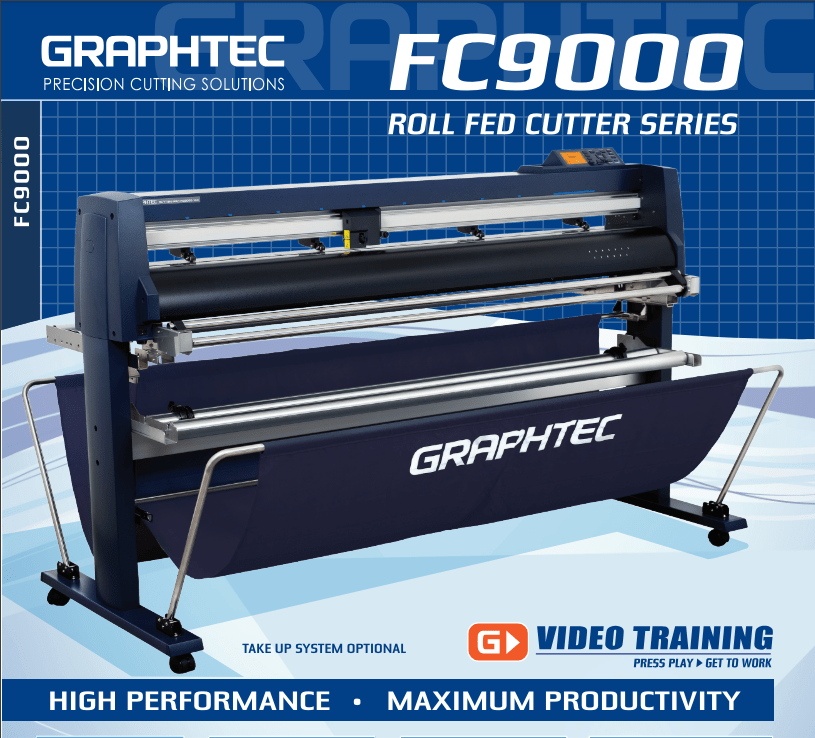
$185/MONTH NEW 64" Graphtec FC9000-160 For Automotive Professionals with 50 ft accurate tracking of Window Tint, PPF Film & Vinyl. Roll-fed Cutting Plotter

Sale

$185/MONTH NEW 64" Graphtec FC9000-160 For Automotive Professionals with 50 ft accurate tracking of Window Tint, PPF Film & Vinyl. Roll-fed Cutting Plotter
- Sale price
- $185
- Regular price
- $225
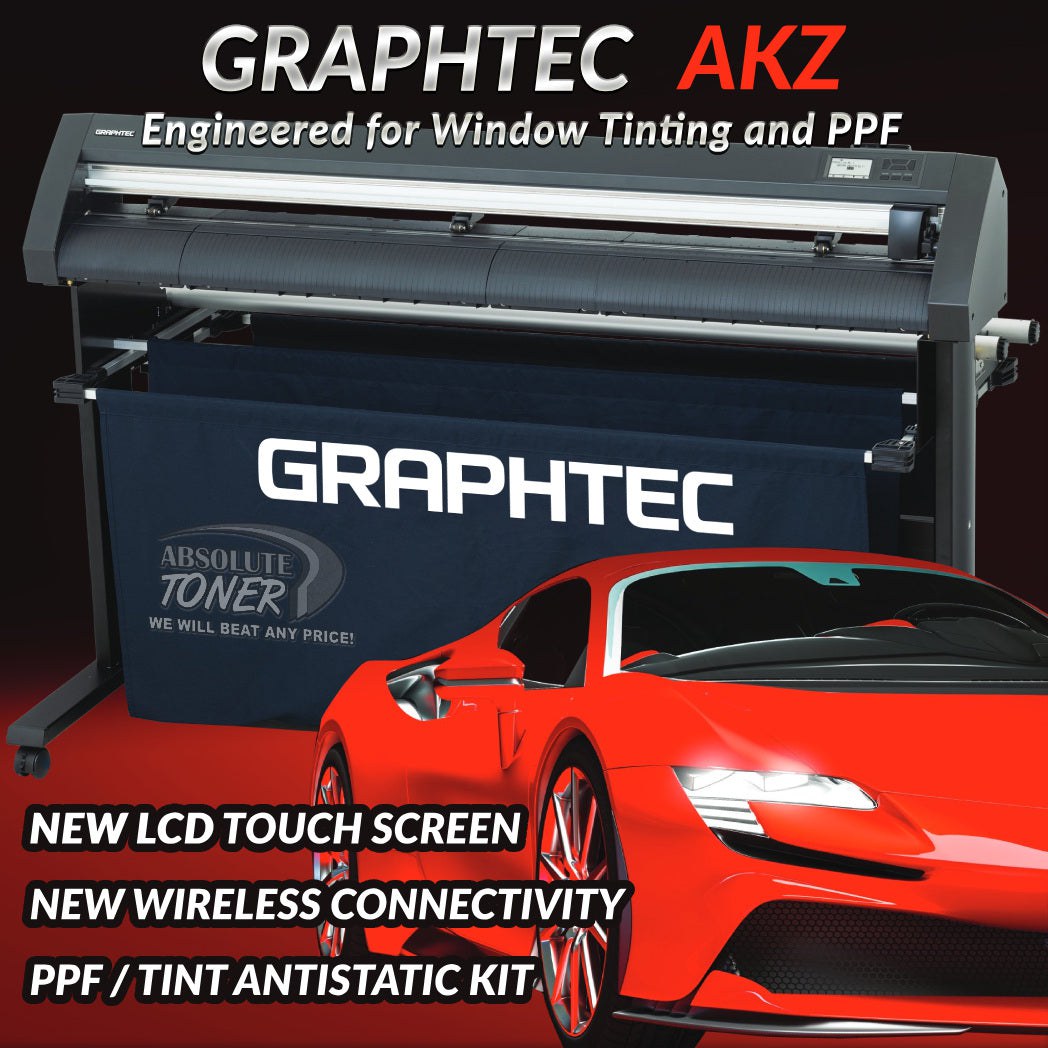
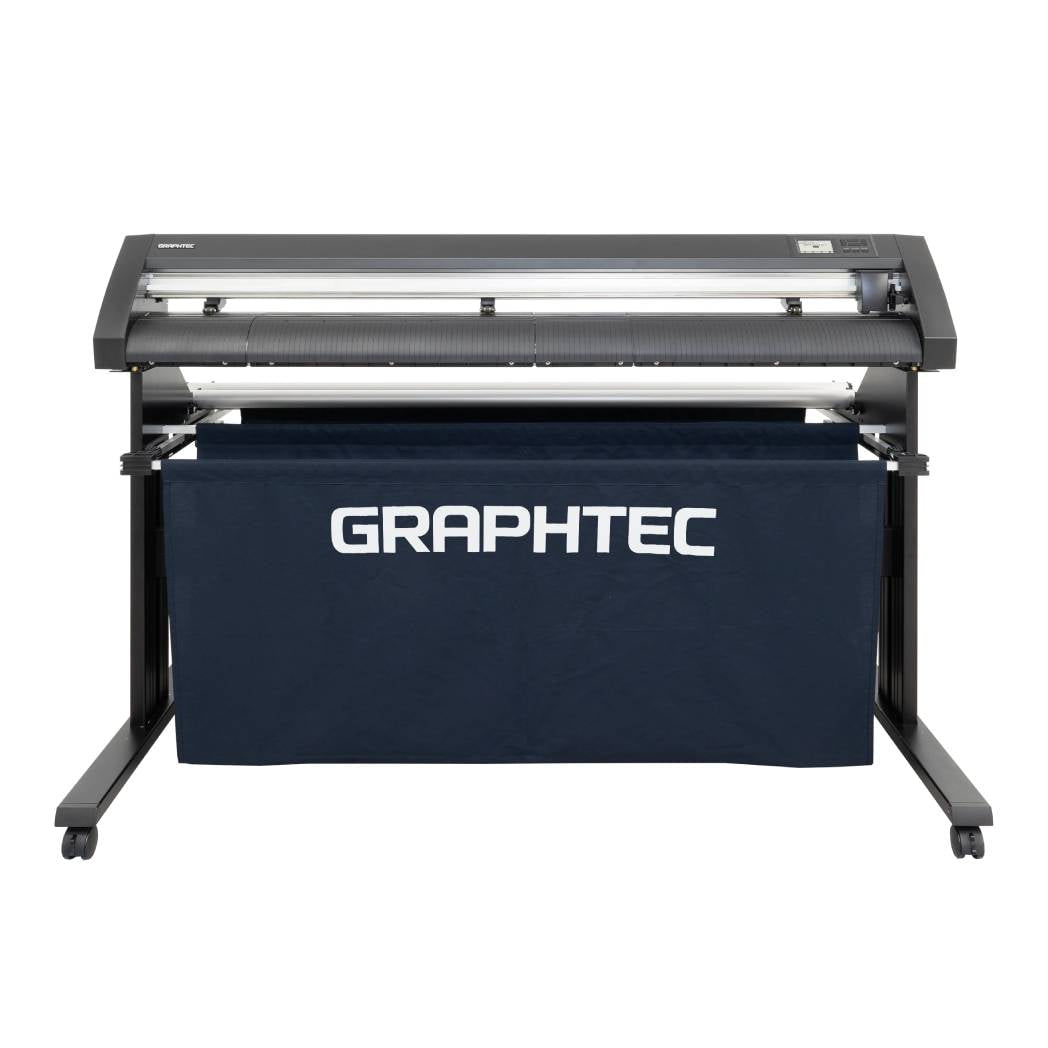
NEW 51" GRAPHTEC AUTOMOTIVE MODEL WINDOW TINT/PPF ANTI-STATIC KIT Stand, Basket
Sale
NEW 51" GRAPHTEC AUTOMOTIVE MODEL WINDOW TINT/PPF ANTI-STATIC KIT Stand, Basket
- Sale price
- $6,950
- Regular price
- $7,500
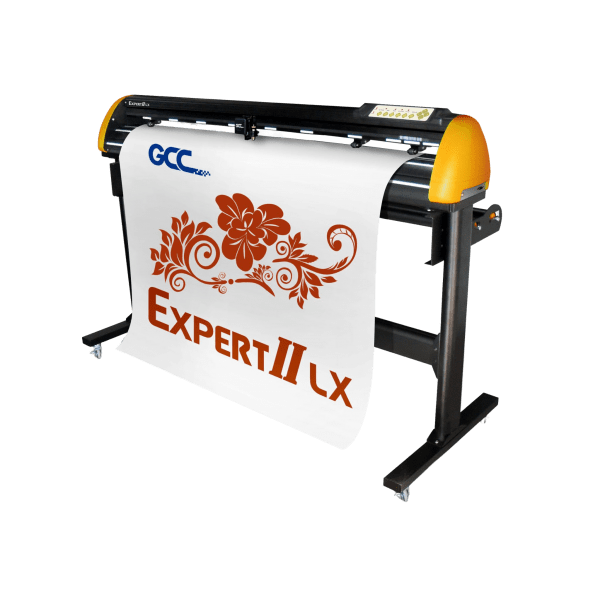
NEW 57" GCC AMERICA Expert II LX WINDOW TINTING/PPF/Vinyl Plotter EX-II LX Windows Tint Cutter With Contour Cutting.
![Absolute Toner [52"] New GCC Professional Expert II 52" Wide LX Vinyl Cutter Plotter With Aligning System For Contour Cutting Vinyl Cutters](//www.absolutetoner.com/cdn/shop/files/gcc-expert-ii-1_1_658735c6-5354-4ac6-b32b-155baab50410.jpg?v=1696875559)
Sale
![Absolute Toner [52"] New GCC Professional Expert II 52" Wide LX Vinyl Cutter Plotter With Aligning System For Contour Cutting Vinyl Cutters](http://www.absolutetoner.com/cdn/shop/files/gcc-expert-ii-1_1_658735c6-5354-4ac6-b32b-155baab50410.jpg?v=1696875559)
NEW 57" GCC AMERICA Expert II LX WINDOW TINTING/PPF/Vinyl Plotter EX-II LX Windows Tint Cutter With Contour Cutting.
- Price
- From $39.95
$115/month PLYTRONIX Pneumatic PRO 64” with Anti-Static System, Large Format Auto High-Speed Cold/Hot Laminator for Signs, Graphics, Banners, Prints & More


Sale


$115/month PLYTRONIX Pneumatic PRO 64” with Anti-Static System, Large Format Auto High-Speed Cold/Hot Laminator for Signs, Graphics, Banners, Prints & More
- Sale price
- $115
- Regular price
- $165
$58/month Plytronix Pneumatic Cold Semi-Automatic Applicator Laminator - Air Cylinder Roller – Ideal for Media lamination & Versatile Board Applications


Sale


$58/month Plytronix Pneumatic Cold Semi-Automatic Applicator Laminator - Air Cylinder Roller – Ideal for Media lamination & Versatile Board Applications
- Sale price
- $2,995
- Regular price
- $4,000
UV Flatbed Printer UV-DTF Yinstar A3 Multifunction


Sale


UV Flatbed Printer UV-DTF Yinstar A3 Multifunction
- Sale price
- $5,998
- Regular price
- $9,995
$571/month - NEW Mimaki UCJV300-160 64" Inch UV Light Curable Inkjet Printer And Cutting Plotter With ID Cut Function


$571/month - NEW Mimaki UCJV300-160 64" Inch UV Light Curable Inkjet Printer And Cutting Plotter With ID Cut Function
New Mimaki TxF300-75 31.5" DTF PRINTER (DIRECT-TO-FILM) Printer Dual Print Heads 1440dpi Print Resolution with optional Shaker


New Mimaki TxF300-75 31.5" DTF PRINTER (DIRECT-TO-FILM) Printer Dual Print Heads 1440dpi Print Resolution with optional Shaker
$136/Month New Miro 36 DTF Powder Shaker For Mimaki TxF150-75, TXF300, Epson SureColor G6070C, Roland TY-300i


Sale


$136/Month New Miro 36 DTF Powder Shaker For Mimaki TxF150-75, TXF300, Epson SureColor G6070C, Roland TY-300i
- Sale price
- $156
- Regular price
- $210
$117/Month - DTF x2 Epson Print Heads (110V) YINSTAR A3 13" DTF PRINTER


Sale


$117/Month - DTF x2 Epson Print Heads (110V) YINSTAR A3 13" DTF PRINTER
- Sale price
- $117
- Regular price
- $185
$495/month Mimaki 23.4"x16.5" UJF-6042MkII UV-LED Flatbed UV Printer - REPO LIKE NEW UJF-6042 MkII


Sale


$495/month Mimaki 23.4"x16.5" UJF-6042MkII UV-LED Flatbed UV Printer - REPO LIKE NEW UJF-6042 MkII
- Sale price
- $495
- Regular price
- $843
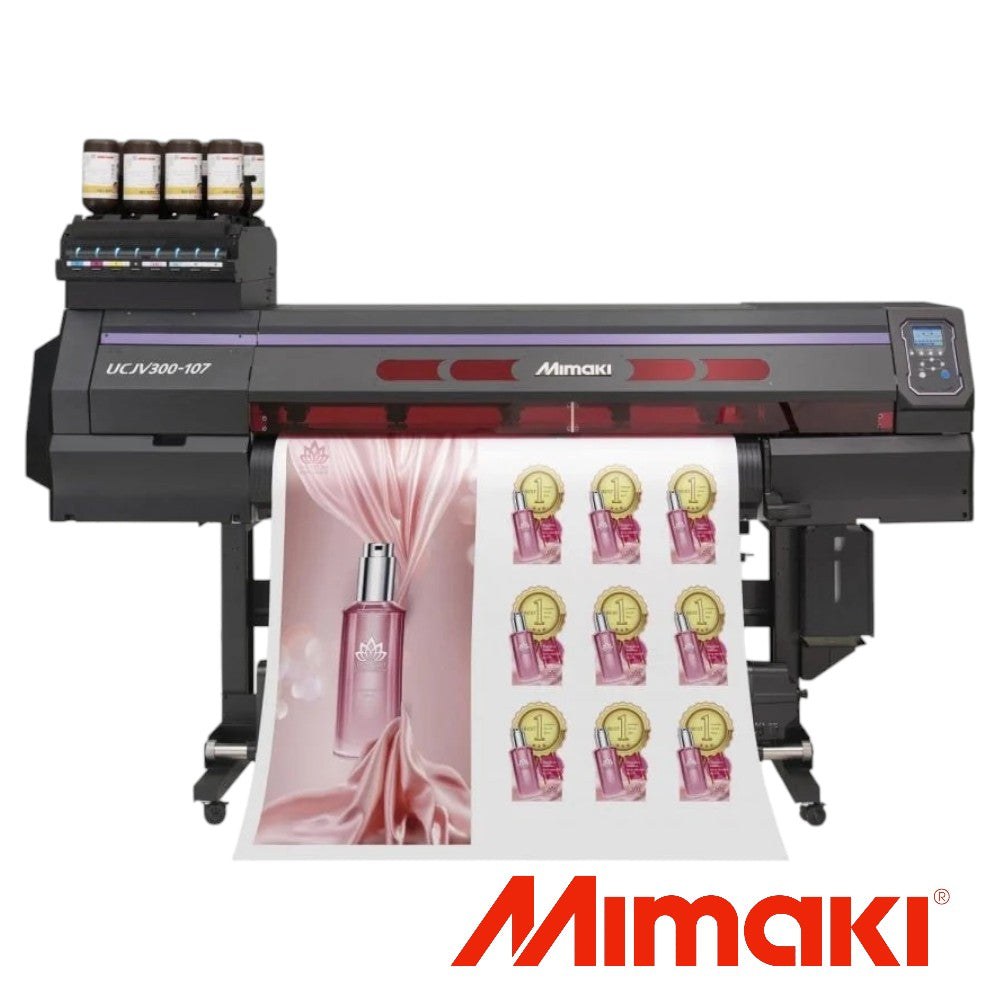
$285/month 42" Mimaki UCJV300-107 2 New Original Heads UV-LED Large Format Printer/Cutter (Print/Cut)

Sale

$285/month 42" Mimaki UCJV300-107 2 New Original Heads UV-LED Large Format Printer/Cutter (Print/Cut)
- Sale price
- $285
- Regular price
- $495
$247/month - PRE-OWNED Mimaki UCJV300-160 UV-LED 64 inch Wide Format Printer/Cutter (PRINT/CUT)


Sale


$247/month - PRE-OWNED Mimaki UCJV300-160 UV-LED 64 inch Wide Format Printer/Cutter (PRINT/CUT)
- Sale price
- $17,995
- Regular price
- $32,000
$398/month NEW DEMO UV 64" 1 YR WARRANTY Mimaki UCJV300-160 UV-LED 64 inch Wide Format Printer/Cutter (PRINT/CUT)
Sale
$398/month NEW DEMO UV 64" 1 YR WARRANTY Mimaki UCJV300-160 UV-LED 64 inch Wide Format Printer/Cutter (PRINT/CUT)
Should You Buy a DTF Printer or Outsource DTF Transfers? A 2026 Cost, ROI & Growth Guide

For growing apparel businesses, deciding whether to bring Direct-to-Film (DTF) printing in-house or continue outsourcing transfers is one of the most critical financial crossroads you will face. Both paths offer distinct advantages, but making the wrong choice can either choke your profit margins or saddle you with expensive equipment you aren't ready to maintain.
To make an informed decision in 2026, you need to strip away the marketing hype and look strictly at your production volume, your available labor, and your Total Cost of Ownership (TCO). Here is a comprehensive breakdown of when to outsource, when to buy, and how to calculate your return on investment (ROI).

The Case for Outsourcing DTF Transfers
Outsourcing involves purchasing pre-printed DTF gang sheets from a third-party commercial print facility. You simply upload your artwork, wait for the transfers to arrive, and press them onto your garments using a standard heat press.
The Advantages:
-
Zero Equipment Maintenance: DTF printers require daily maintenance, specifically managing heavy white ink to prevent printhead clogs. Outsourcing makes equipment maintenance someone else's problem.
-
Zero Capital Expenditure: You avoid the steep initial cost of purchasing a commercial printer, powder shaker, and air purifier setup.
-
Predictable Overhead: You pay a flat rate per square foot or per sheet. This makes calculating your exact profit margin per garment incredibly simple.
-
Space Saving: You only need physical space for a heat press and your blank apparel inventory.
The Disadvantages:
-
Lower Profit Margins: You are paying retail (or wholesale) prices for transfers. A graphic that costs $4.00 to outsource might cost less than $0.50 to print in-house.
-
Slower Turnaround Times: You are entirely at the mercy of your vendor's printing queue and the postal service. Fulfilling same-day rush orders is nearly impossible.
-
Loss of Quality Control: If a transfer arrives with banding or incorrect colours, your entire production schedule halts while you wait for a reprint.

The Case for Buying a DTF Printer
Bringing a DTF printer in-house transforms your business from an apparel decorator into a true manufacturing facility. It is the ultimate scaling tool for shops that have outgrown the limitations of external vendors.
The Advantages:
-
Dramatically Lower Cost Per Print: This is the primary driver for purchasing hardware. In-house production drops the raw material cost (DTF film, DTF ink, and DTF powder) to pennies on the dollar, massively expanding your gross margin per shirt.
-
Ultimate Production Control: You control the schedule. If a corporate client needs fifty custom hoodies by tomorrow morning, you have the immediate capacity to say "yes" and capture that revenue.
-
New B2B Revenue Streams: Once you own the equipment, you can become the vendor. Many print shops pay off their equipment leases simply by printing and selling gang sheets to other local decorators.
The Disadvantages:
-
The Learning Curve: Operating commercial DTF equipment requires learning RIP software, managing colour profiles, and understanding environmental humidity control.
-
Daily Maintenance: Printers hate sitting idle. You must run the machine regularly and perform scheduled cleaning routines to prevent catastrophic printhead failure.
-
Space and Power Requirements: Industrial setups require dedicated floor space, heavy-duty ventilation (or built-in air purifiers), and often specialized electrical requirements.

The ROI Math: When is the Tipping Point?
The decision to transition from outsourcing to owning equipment is rarely emotional; it is purely mathematical. The tipping point depends directly on your monthly volume.
Scenario A: The Startup (Under 100 Garments/Month)
If you are pressing a few dozen shirts a week for a boutique brand or local sports teams, outsourcing is definitively the smarter choice. Your volume is not high enough to justify the monthly lease payment of commercial equipment or the cost of the ink wasted during mandatory daily cleaning cycles. Focus your capital on marketing and building your brand identity.
Scenario B: The Growing Shop (200 - 400 Garments/Month)
At this volume, you are in the transitional phase. You are likely spending $1,000 to $2,000 a month purchasing outsourced transfers. This monthly spend is often higher than the equipment lease rate for an entry-level commercial DTF setup (like a dual-head A3 or 24-inch system). At this stage, buying a printer begins to make financial sense, provided you have the dedicated labor to operate it.
Scenario C: The High-Volume Facility (500+ Garments/Month)
If you are regularly pushing over 500 garments a month or fulfilling large corporate B2B contracts, buying an industrial DTF printer is mandatory. Continuing to outsource at this volume actively damages your profitability. An industrial roll-to-roll machine with an automated powder shaker will slash your labor costs, reclaim wasted materials, and drop your cost-per-print so low that the machine pays for itself rapidly.
Making the Strategic Choice
Choosing between outsourcing and buying a DTF printer comes down to an honest assessment of your current operational scale.
Outsource your transfers if you want to eliminate technical headaches, preserve your startup capital, and focus entirely on sales. It is the safest way to test the market without heavy financial exposure.
Buy a DTF printer if you are bleeding margin to third-party vendors, missing deadlines due to shipping delays, and possess the daily order volume required to keep a commercial printhead firing. Bringing production in-house is a direct investment in equity, control, and long-term business growth.
- Choosing a selection results in a full page refresh.